
Published on: 2026-09-12 | Written by: Dr. Doaa Al-Yemeni, Psychiatric Consultant
What Are Mental Disorders?
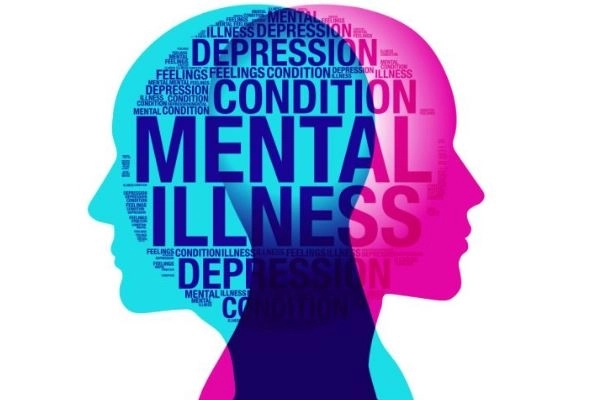
Dr. Doaa El-Yamany explains that mental disorders are conditions that can affect the way a person thinks, feels, and behaves, as well as their ability to cope with daily life and relationships with others, and the nature and severity of symptoms vary from one condition to another, while they may appear temporarily or continue for longer periods and require professional assessment.
Types of Mental Disorders
Dr. Doaa El-Yamany emphasizes that mental disorders include a wide range of conditions, including anxiety disorders, depression, obsessive-compulsive disorder, post-traumatic stress disorder, eating disorders, sleep disorders, and some disorders related to thinking or behavior, while diagnosis and treatment vary according to the symptoms and the psychological condition of each person.
Anxiety Disorders
Dr. Doaa El-Yamany explains that anxiety disorders may involve excessive and persistent fear or anxiety about different situations or events, and may be accompanied by tension, difficulty relaxing, excessive thinking, difficulty concentrating, sleep disturbances, and some physical symptoms, and when these symptoms become severe or affect daily life, psychological assessment can help determine the nature of the problem.
Depression and Mood Disorders
Dr. Doaa El-Yamany stresses that mood disorders can significantly affect emotional state, energy, motivation, and the ability to enjoy daily activities, and depression may appear as persistent sadness, loss of interest, changes in sleep or appetite, feelings of guilt and hopelessness, while the severity of symptoms varies from one person to another and some cases require specialized treatment.
Obsessive-Compulsive Disorder
Dr. Doaa El-Yamany points out that obsessive-compulsive disorder may involve repeated and unwanted thoughts or fears that cause anxiety and may lead a person to perform repetitive behaviors or rituals in an attempt to reduce the tension caused by these thoughts, and this can affect time, daily routines, relationships, work, or education when symptoms become severe.
Post-Traumatic Stress Disorder
Dr. Doaa El-Yamany explains that post-traumatic stress disorder may develop after experiencing a severe or painful event and may involve recurring memories or dreams related to the event, avoiding certain places or situations that remind the person of the experience, increased tension and irritability, and difficulty sleeping or concentrating, while symptoms vary from one person to another depending on the nature of the experience and the psychological response to it.
Eating Disorders
Dr. Doaa El-Yamany emphasizes that eating disorders are psychological problems that may affect a person’s relationship with food, weight, and body image, and may appear as unhealthy eating patterns, an intense fear of gaining weight, or excessive preoccupation with body shape, and these conditions require appropriate assessment because they can affect both psychological and physical health.
Sleep Disorders and Their Relationship to Psychological Health
Dr. Doaa El-Yamany indicates that sleep disorders may overlap with many psychological problems, as anxiety and stress can cause difficulty sleeping or frequent waking, while some mental disorders can also affect sleep quality and regularity, which is why assessing sleep, daily habits, and psychological health can help provide a more comprehensive understanding of the problem.
Causes of Mental Disorders
Dr. Doaa El-Yamany explains that mental disorders may result from an interaction of biological, psychological, and social factors, which may include genetic factors, biological changes, difficult experiences, trauma, ongoing stress, and family or social problems, and the presence of one factor does not necessarily mean that a person will develop a mental disorder because the condition is influenced by a combination of different circumstances.
The Impact of Mental Disorders on Daily Life
Dr. Doaa El-Yamany stresses that the impact of mental disorders is not limited to emotions, as they may extend to education, work, social relationships, decision-making, self-care, and the ability to organize daily activities, while persistent symptoms without appropriate management may make it more difficult to perform responsibilities or participate in social life.
Diagnosis of Mental Disorders
Dr. Doaa El-Yamany explains that diagnosing mental disorders depends on assessing the symptoms, their duration, severity, and impact on the person’s life, while also understanding the psychological history and surrounding circumstances and identifying factors that may worsen or reduce symptoms, and the specialist may need to rule out certain medical causes or other conditions whose symptoms may resemble some mental disorders.
Psychotherapy
Dr. Doaa El-Yamany emphasizes that psychotherapy can help people understand the thoughts, feelings, and behaviors associated with a psychological problem and develop more effective ways of dealing with them, and there are several therapeutic approaches that vary according to the type of disorder and the person’s needs, while treatment may include individual or family sessions or other therapeutic methods based on professional assessment.
Medication and Medical Follow-Up
Dr. Doaa El-Yamany points out that some mental disorders may require assessment by a psychiatrist to determine whether medication is needed, and psychiatric medications should not be taken, stopped, or changed in dosage without medical supervision, while regular follow-up helps evaluate the response to treatment and address any side effects or changes in the condition.
The Role of the Family in Helping the Patient
Dr. Doaa El-Yamany explains that the family can play an important role in helping a person with a mental disorder by listening carefully, avoiding judgment or minimizing their feelings, and encouraging them to seek professional help, while providing a calm and accepting environment can also support the person throughout the stages of treatment and recovery.
The Importance of Early Detection and Intervention
Dr. Doaa El-Yamany stresses that paying attention to persistent changes in mood, behavior, sleep, relationships, or the ability to perform daily tasks can help identify a problem at an early stage, and appropriate intervention during the early stages may help reduce the impact of symptoms and support the person’s ability to return to daily life more effectively.
When Does a Person Need Professional Help?
Dr. Doaa El-Yamany points out the importance of seeking psychological help when symptoms persist, become more severe, or clearly affect daily life, relationships, work, or education, while the appearance of thoughts related to death, suicide, or self-harm requires urgent medical and psychological assistance, and the person should not be left alone.
Dr. Doaa El-Yamany explains that mental disorders are diverse conditions that can affect thinking, emotions, behavior, and daily life to varying degrees, and understanding the symptoms and receiving professional assessment can help identify the problem and develop an appropriate plan for managing it, while psychological and family support and regular follow-up can be important elements in the treatment journey and restoration of psychological balance.