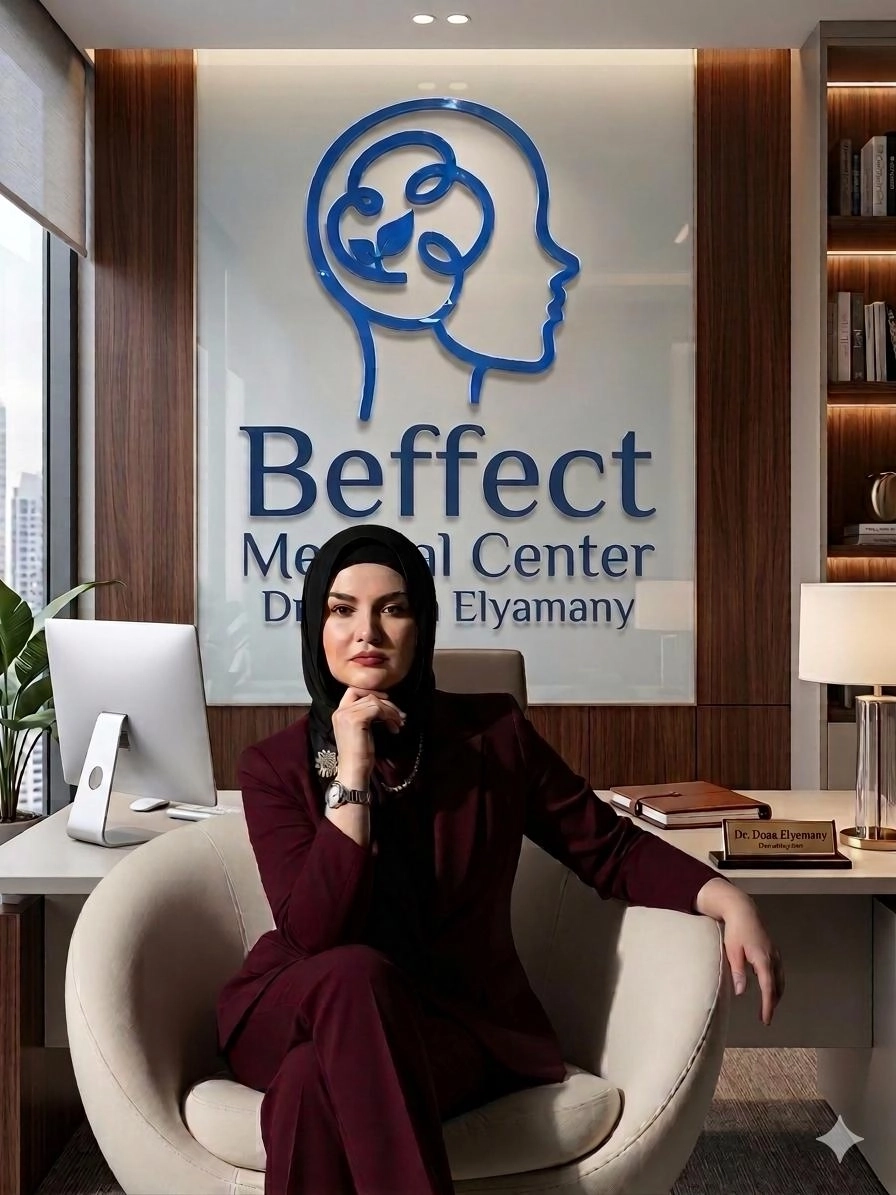

Published on: 2026-09-12 | Written by: Dr. Doaa Al-Yemeni, Psychiatric Consultant
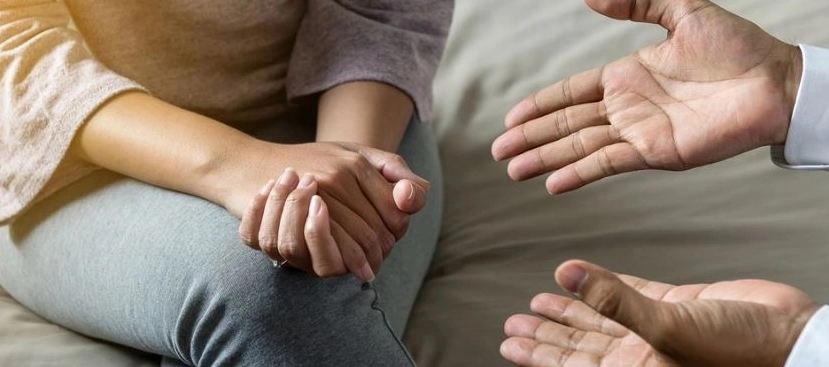
What Is Psychological Support?
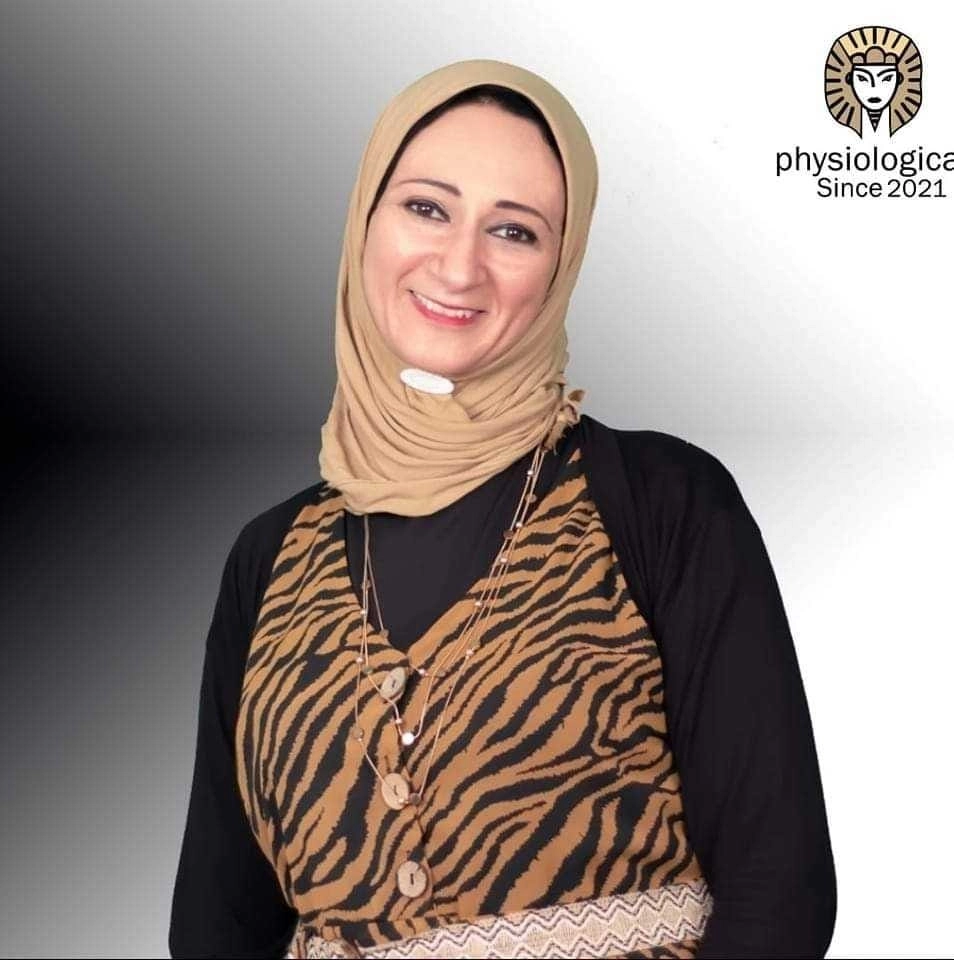
Dr. Doaa El-Yamany explains that psychological support is a set of approaches that help a person deal with difficult emotions, stress, crises, and situations that affect their psychological state by providing a safe space to express and understand emotions and develop more effective ways of coping with them in daily life.
What Is Psychological Rehabilitation?
Dr. Doaa El-Yamany emphasizes that psychological rehabilitation aims to help a person regain their ability to adapt to daily life and improve their psychological and social skills after experiencing a problem, crisis, or psychological disorder, with a focus on strengthening independence, self-confidence, and the ability to deal with various challenges.
The Importance of Psychological Support and Rehabilitation
Dr. Doaa El-Yamany explains that psychological support and rehabilitation can play an important role in helping a person understand their emotions and thoughts and deal with stress more effectively, while also helping reduce feelings of isolation, improve communication and adaptation skills, restore psychological balance, and gradually return to daily activities.
Goals of Psychological Rehabilitation
Dr. Doaa El-Yamany stresses that the goals of psychological rehabilitation vary according to each person’s needs, but they may include improving communication skills, strengthening self-confidence, developing decision-making abilities, regulating emotions, coping with stress, improving social relationships, and helping the person regain the ability to fulfill daily responsibilities with greater stability.
Psychological Support During Crises
Dr. Doaa El-Yamany points out that crises and difficult situations, such as losing someone close, experiencing a painful event, or going through major life changes, may cause strong feelings of sadness, fear, or confusion, and therefore professional psychological support can help a person express their emotions, understand what they are going through, and learn appropriate ways to cope with the crisis instead of facing it alone.
Psychological Rehabilitation After Mental Health Problems
Dr. Doaa El-Yamany explains that psychological rehabilitation may be an important part of the recovery journey after certain mental health problems, as it helps a person regain daily and social skills and deal with situations that may cause stress, while also supporting adherence to the treatment plan and monitoring progress gradually according to the individual’s needs.
The Role of the Family in Psychological Support
Dr. Doaa El-Yamany emphasizes that the family can play an essential role in providing psychological support by listening without judgment, respecting the person’s feelings, encouraging them to seek professional help when needed, avoiding minimizing their problems or forcing them to hide their emotions, and providing a family environment that promotes a sense of safety and acceptance.
Psychological Support for Children and Adolescents
Dr. Doaa El-Yamany explains that children and adolescents may face psychological stress related to school, family, social relationships, or the changes they experience during different stages of development, and psychological difficulties may appear as changes in behavior, sleep, appetite, academic performance, or social interaction, which is why understanding these signs and providing appropriate support at the right time can help address them more effectively.
Psychological Support for Adults
Dr. Doaa El-Yamany stresses that adults may need psychological support when facing work-related stress, family problems, emotional conflicts, life crises, or persistent feelings of tension and exhaustion, and professional support can help them understand the causes of stress, develop practical coping skills, and achieve greater balance in life.
Psychological Rehabilitation and Improving Social Relationships
Dr. Doaa El-Yamany explains that part of psychological rehabilitation may focus on improving communication and interpersonal skills, especially for people who experience social withdrawal, difficulty expressing emotions, or fear of interacting with others, through gradual training in social situations and skills that help build more stable relationships.
Dealing with Negative Emotions
Dr. Doaa El-Yamany emphasizes that dealing with negative emotions does not mean ignoring them or trying to eliminate them by force, but rather understanding their causes, recognizing the thoughts associated with them, and learning healthy ways to express and regulate them, while recognizing that professional help may be necessary when these emotions become severe, persistent, or interfere with daily life.
The Importance of Building Self-Confidence
Dr. Doaa El-Yamany stresses that strengthening self-confidence can be an important aspect of psychological rehabilitation, as it helps a person recognize their abilities and strengths and deal with their mistakes in a more balanced way, while also supporting them in making decisions and facing difficult situations instead of avoiding them because of fear or feelings of inadequacy.
Psychological Rehabilitation and Returning to Daily Life
Dr. Doaa El-Yamany explains that gradually returning to daily activities is an important part of psychological rehabilitation, as realistic goals can be established according to the person’s abilities, starting with simple tasks and gradually progressing, while taking the person’s psychological and physical condition into account and avoiding placing more pressure on them than they can handle.
When Does a Person Need Psychological Support?
Dr. Doaa El-Yamany points out that seeking psychological support becomes important when a person feels that stress or negative emotions are clearly affecting their sleep, work, education, relationships, or ability to carry out daily activities, and persistent anxiety, sadness, isolation, loss of motivation, or thoughts related to self-harm require professional assessment and support as soon as possible.
Dr. Doaa El-Yamany explains that psychological support and rehabilitation represent an important part of caring for mental health because they help a person understand their emotions, develop skills for coping with stress, regain the ability to live their daily life, improve relationships, and strengthen self-confidence, while the appropriate program varies from one person to another according to their condition and needs, making professional psychological assessment an important step toward receiving appropriate support and rehabilitation.