
Published on: 2026-09-10 | Written by: Dr. Abdulrahman Saeed, Master's in Cardiovascular Diseases
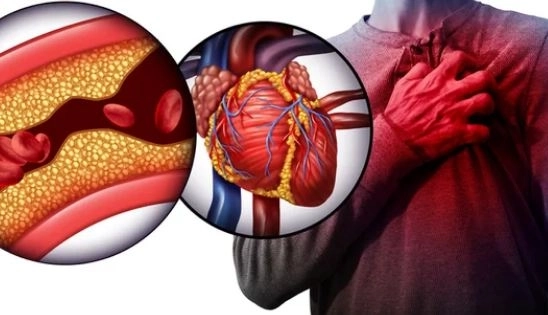
Cardiovascular diseases are among the medical conditions that require regular medical follow-up, as they include a wide range of conditions affecting the heart, arteries, and blood vessels. These may include coronary artery disease, high blood pressure, heart rhythm disorders, heart failure, and peripheral vascular diseases. Some cardiovascular diseases may develop for a long period without clear symptoms, which is why early detection and regular medical follow-up can help identify risk factors and control them.
What Are Cardiovascular Diseases?
Dr. Abdelrahman Saeed Gabaas specializes in cardiovascular diseases, which are a group of disorders affecting the heart and blood vessels. These include diseases of the arteries supplying the heart muscle, diseases of the blood vessels supplying the brain and limbs, and other heart conditions such as rheumatic, congenital, and other cardiac diseases. Symptoms and diagnostic and treatment methods vary depending on the type of condition.
Coronary Artery Disease
Coronary artery disease occurs when the blood vessels supplying the heart muscle become affected, which may be associated with the buildup of fatty deposits inside the artery walls. This can lead to narrowing of the artery and reduced blood flow to the heart muscle. The condition may appear as chest pain or pressure, shortness of breath, or other symptoms depending on the degree of reduced blood flow.
High Blood Pressure and Its Effect on the Heart
High blood pressure is an important risk factor for cardiovascular diseases and may not cause clear symptoms in many people. Therefore, regular blood pressure measurement can help detect high blood pressure early, while controlling blood pressure can help reduce the risk of cardiovascular and vascular complications.
High Cholesterol and Its Relationship to Heart Disease
High levels of blood lipids may be associated with an increased risk of cardiovascular diseases, especially when deposits accumulate inside the arteries. Therefore, testing cholesterol and lipid levels is an important part of assessing cardiovascular risk factors, while the doctor determines the appropriate follow-up and management according to each person’s health condition.
Heart Rhythm Disorders and Cardiac Electrophysiology
Cardiac electrophysiology focuses on the electrical activity that regulates the heartbeat. Disorders of this system may cause a fast heartbeat, slow pulse, or irregular heart rhythm. Symptoms may include palpitations, dizziness, fainting, or a noticeable change in the heartbeat. Diagnosis depends on the symptoms, medical examination, and appropriate tests such as an ECG and Holter monitoring.
Symptoms of Cardiovascular Diseases
Symptoms of cardiovascular diseases vary depending on the type of disease. Symptoms that require medical evaluation may include chest pain or pressure, shortness of breath, palpitations, dizziness, fainting, and unusual fatigue. Some conditions may not cause clear symptoms, so cardiovascular diseases cannot be detected based on symptoms alone.
Chest Pain and Its Relationship to the Heart
Chest pain or pressure may be associated with heart problems, particularly when accompanied by symptoms such as shortness of breath, sweating, nausea, or dizziness. New or severe chest pain, especially when accompanied by concerning symptoms, requires urgent medical evaluation because a heart attack may present in this way.
Shortness of Breath and Heart Disease
Shortness of breath may be associated with certain heart conditions and may occur during physical activity or, in some cases, at rest. However, shortness of breath can have multiple causes, so determining its cause requires appropriate medical evaluation rather than relying on the symptom alone.
Cardiac and Cardiovascular Tests
Cardiac tests include a range of examinations selected by the doctor according to the patient’s symptoms and condition. These may include an ECG, exercise stress test, echocardiography, Holter monitoring, and blood pressure Holter monitoring. Some patients may require more specialized tests such as cardiac catheterization or electrophysiology studies.
Electrocardiogram (ECG)
An ECG is one of the basic tests used to evaluate the heart’s electrical activity, heart rate, and rhythm. It can help doctors detect certain heart rhythm disorders or changes that may be associated with various cardiac conditions. The doctor interprets the results in relation to the patient’s symptoms and medical examination.
Echocardiography
Echocardiography, or heart ultrasound, helps evaluate the structure and function of the heart. It can be used to assess the heart chambers, valves, heart muscle movement, and certain aspects of heart function. The doctor determines whether an echocardiogram is needed based on the patient’s symptoms and examination results.
Holter Monitoring
A Holter monitor is used to record the heart’s activity for a longer period than a traditional ECG. It can therefore be useful when palpitations or heart rhythm disturbances occur intermittently and may not appear during an ECG performed at the clinic. The monitoring period may vary depending on the type of device, the patient’s condition, and the purpose of the examination.
Cardiac Catheterization
Cardiac catheterization is used in some cases to evaluate the coronary arteries and heart function. Catheterization may be diagnostic or may be part of a therapeutic procedure depending on the patient’s condition and previous test results. The cardiologist determines whether catheterization is needed after evaluating the patient and reviewing the available tests.
Risk Factors for Cardiovascular Diseases
Cardiovascular diseases are associated with several risk factors, including smoking, physical inactivity, an unhealthy diet, obesity, high blood pressure, high blood sugar, and abnormal blood lipid levels. Genetic factors, age, and other factors may also contribute to an increased risk of cardiovascular disease.
Smoking and Heart Health
Smoking is an important risk factor for cardiovascular diseases. Therefore, quitting smoking is an important step toward reducing the risks associated with heart and vascular diseases, along with managing other risk factors such as blood pressure, cholesterol, and physical activity.
Healthy Nutrition and Cardiovascular Disease Prevention
Following a healthy diet can help reduce some risk factors associated with cardiovascular diseases. It is important to focus on vegetables and fruits and avoid excessive amounts of salt, fats, and sugars, while maintaining an appropriate weight according to the individual’s health condition and the doctor’s recommendations.
Physical Activity and Heart Health
Regular physical activity, according to an individual’s ability and health condition, can support heart health and help control certain risk factors such as weight and blood pressure. People with known heart conditions should determine the appropriate level of physical activity in consultation with their doctor.
The Importance of Regular Follow-Up with a Cardiologist
Regular medical follow-up can help detect risk factors and monitor existing cardiovascular conditions. Follow-up may include blood pressure measurements, blood sugar and lipid testing, and appropriate cardiac examinations according to the patient’s condition. Early detection of cardiovascular diseases can help ensure timely management.
The Role of Dr. Abdelrahman Saeed Gabaas in Cardiovascular Diseases
Dr. Abdelrahman Saeed Gabaas specializes in cardiology, cardiovascular diseases, cardiac catheterization, and cardiac electrophysiology. He holds a Master’s degree in Cardiovascular Medicine and the Egyptian Fellowship in Cardiology and Cardiovascular Diseases. He is also a member of the European Society of Cardiology and the Egyptian Society of Cardiology.