
Published on: 2026-09-10 | Written by: Dr. Abdulrahman Saeed, Master's in Cardiovascular Diseases
Cardiac catheterization and cardiac electrophysiology are important areas within cardiology, as specialized tests and procedures help evaluate the arteries, heart function, and heart rhythm disorders. Cardiac catheterization is used to diagnose certain heart and cardiovascular conditions and may also be used in some cases for interventional treatments, while cardiac electrophysiology focuses on studying the heart’s electrical activity and rhythm disorders.
Cardiac Catheterization and Its Importance in Diagnosing Heart Diseases
Cardiac catheterization is a medical procedure that helps doctors evaluate the heart and blood vessels. A thin, flexible tube called a catheter is inserted through a blood vessel and guided toward the heart. It can provide information about the coronary arteries, heart function, and pressures inside the heart chambers. In some cases, it can also be used to open narrowed or blocked arteries depending on the patient’s condition and the doctor’s assessment.
When Is Cardiac Catheterization Needed?
A doctor may recommend cardiac catheterization when symptoms or test results indicate a possible problem with the heart or coronary arteries, such as chest pain or shortness of breath during exertion, or certain heart rhythm disorders. It may also be used to help diagnose coronary artery disease and some heart valve conditions.
Diagnostic and Therapeutic Cardiac Catheterization
Cardiac catheterization may be diagnostic, with the goal of identifying the condition of the coronary arteries and evaluating heart function. It may also be therapeutic when used as part of a procedure to open a narrowed or blocked artery. The doctor determines the appropriate type of catheterization and procedure based on the patient’s condition, test results, and medical evaluation.
What Is Cardiac Electrophysiology?
Cardiac electrophysiology focuses on studying the electrical signals that control the heart’s rhythm. The heart’s normal electrical system regulates the timing of its contractions, while abnormalities in these signals can lead to irregular, fast, or slow heartbeats. Cardiac electrophysiology tests help identify the nature and source of heart rhythm disorders and assist in selecting the appropriate treatment.
Cardiac Electrical Disorders
Disorders of the heart’s electrical system may appear as palpitations, rapid heartbeat, slow pulse, or irregular heart rhythm. Diagnosing these conditions may require several tests, such as an electrocardiogram or continuous monitoring using a Holter device. In more complex cases, the patient may require a specialized electrophysiology study.
Electrophysiology Study (EP Study)
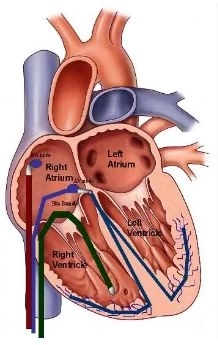
An Electrophysiology Study (EP Study) is a specialized test used to evaluate the heart’s electrical activity in greater detail. Catheters containing electrical sensors are used to record signals from inside the heart. The study can help identify the source of certain heart rhythm disorders and evaluate how electrical signals travel through the heart.
The Relationship Between Cardiac Catheterization and Cardiac Electrophysiology
Cardiac catheterization and cardiac electrophysiology are connected in some specialized procedures because catheters can be used to reach different areas of the heart, record electrical activity, or deliver electrical signals during an electrophysiology study. Catheter-based techniques are therefore important in diagnosing certain heart rhythm disorders and identifying their source.
Cardiac Tests Used to Evaluate Heart Rhythm
Tests used to evaluate heart rhythm may include an ECG, Holter monitoring, and specialized electrophysiology tests. The required test varies according to the patient’s symptoms, the type of rhythm disorder, and the results of the initial evaluation. Continuous monitoring can be used to record heart activity over a longer period than a standard ECG.
The Importance of Holter Monitoring in Following Heart Rhythm Disorders
A Holter monitor records the heart’s electrical activity for a longer period than a traditional ECG. It can therefore be useful when palpitations or heart rhythm disturbances occur intermittently and may not appear during a standard ECG performed at the clinic. The doctor determines the appropriate monitoring period according to the patient’s condition and the purpose of the test.
Tilt Table Test
The Tilt Table Test is used to evaluate certain conditions associated with fainting, dizziness, and the body’s response to changes in position. The test can help the doctor assess how heart rate and blood pressure respond when the patient changes from one position to another. The doctor determines whether the test is needed based on the patient’s symptoms and medical history.
Follow-Up of Cardiac Electrophysiology Cases in Children and Adults
Heart rhythm disorders require individualized evaluation, and follow-up may include both children and adults depending on the nature of the symptoms and rhythm disorder. The choice of tests depends on the patient’s age, symptoms, ECG results, and previous examinations.
Programming of Cardiac Rhythm Management Devices
Some patients who use devices that regulate heart rhythm require regular follow-up and programming to ensure that the device is functioning properly. The doctor evaluates the patient’s condition and the device and determines the appropriate settings according to the medical condition and type of device.
The Role of Dr. Abdelrahman Saeed Gabaas in Cardiology and Cardiac Electrophysiology
Dr. Abdelrahman Saeed Gabaas specializes in cardiology, cardiovascular diseases, cardiac catheterization, and cardiac electrophysiology. He holds a Master’s degree in Cardiovascular Medicine and the Egyptian Fellowship in Cardiology and Cardiovascular Diseases. He is also a member of the European Society of Cardiology and the Egyptian Society of Cardiology.
Services and Cardiac Tests Provided by Dr. Abdelrahman Saeed Gabaas
The services provided by Dr. Abdelrahman Saeed Gabaas include advanced cardiac examinations such as ECG, exercise stress testing, echocardiography, 24-hour Holter monitoring and up to one week, and 24- and 48-hour blood pressure Holter monitoring, in addition to follow-up of cardiac electrophysiology cases for all ages and programming of cardiac rhythm management devices.
Cardiac Catheterization and Cardiac Electrophysiology with Dr. Abdelrahman Saeed Gabaas
Dr. Abdelrahman Saeed Gabaas specializes in cardiac catheterization and cardiac electrophysiology, in addition to cardiology and cardiovascular diseases. His listed services include follow-up of cardiac electrophysiology cases for children and adults, programming of cardiac rhythm management devices, and Tilt Table Testing at the International Cardiac Center (ICC).