
Published on: 2026-09-08 | Written by: Dr. Mohammed Abu Fatira, Consultant General
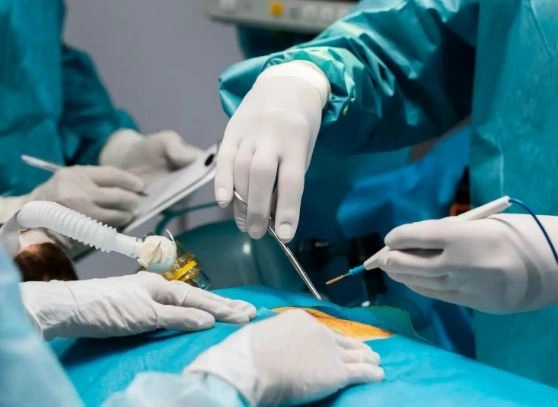
Laparoscopic surgery is one of the most significant medical revolutions of modern times, replacing large surgical incisions with precise openings measuring no more than a few centimeters. Dr. Mohamed Abou Feteira explains that using abdominal laparoscopy allows the surgeon to view internal organs with high clarity through a magnified camera, providing an accurate diagnosis and effective treatment for various digestive and abdominal conditions with minimal surgical intervention.
Conditions Requiring Abdominal Laparoscopy
Laparoscopy is used for various diagnostic and therapeutic purposes across numerous health conditions. Dr. Mohamed Abou Feteira notes that the main indications for performing abdominal laparoscopy include:
Gallbladder Removal: Safely and quickly treating gallstones and chronic gallbladder inflammation.
Appendectomy: Removing an inflamed appendix through small incisions.
Hernia Repair: Repairing inguinal, ventral, or umbilical hernias using surgical mesh.
Diagnosing Abdominal Pain: Identifying the causes of chronic pain that do not appear on standard scans.
Dr. Mohamed Abou Feteira highlights that laparoscopic techniques offer numerous direct advantages to the patient, most notably:
Less Post-Operative Pain: Reducing the need for strong pain medications after surgery.
Shorter Recovery Period: Ability to leave the hospital on the same day or the following day.
Minimal Surgical Scarring: Preserving the aesthetic appearance of the abdomen thanks to tiny incisions.
Reduced Bleeding and Complications: Lowering the risk of post-surgical infections.
Dr. Mohamed Abou Feteira relies on precise, structured surgical steps to ensure the highest levels of safety during the procedure:
General Anesthesia: Performing the operation under general anesthesia to ensure complete patient comfort.
Laparoscope Insertion: Making a tiny incision near the navel to insert the camera and surgical instruments.
Gas Insufflation: Using carbon dioxide gas to clearly and safely visualize internal organs.
Surgical Intervention: Addressing the medical issue with high precision, followed by closing the tiny incisions cosmetically.
Dr. Mohamed Abou Feteira advises following key guidelines to ensure a full recovery without complications:
Rest and Gradual Movement: Light walking on the first day to prevent blood clots and stimulate bowel movement.
Balanced Nutrition: Starting with fluids and light meals before returning to a regular diet.
Wound Care: Keeping the surgical incision sites clean and dry.
Avoiding Strenuous Activity: Refraining from lifting heavy weights for several weeks post-surgery.