
Published on: 2026-09-07 | Written by: Dr. Muayad Al-Zarqa and Dr. Ahmed Mohamed Al-Nuwaihi
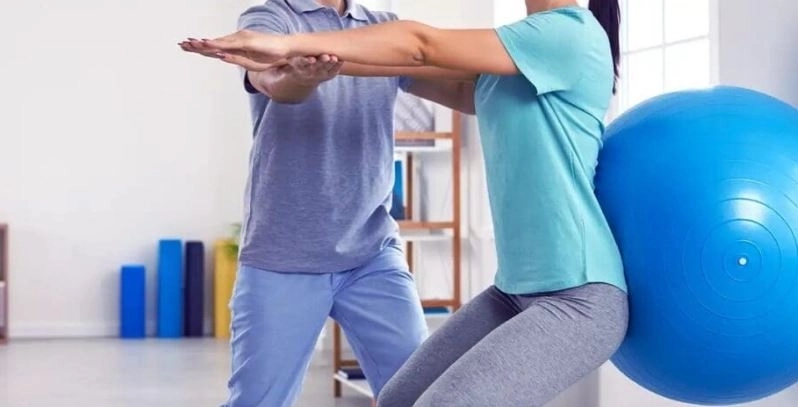
Motor rehabilitation and muscle strengthening programs are the fundamental pillars for restoring the body's vital functions after injuries or surgical procedures. Dr. Moayed Mohamed El-Zarga explains that motor rehabilitation is not limited to building muscle strength alone; it aims to retrain the neuromuscular system to work in complete harmony, ensuring a direct return to daily and athletic activities with high efficiency.
Rehabilitation programs aim to rebuild a patient's physical capabilities based on structured scientific plans, with key objectives including:
Restoring Range of Motion: Eliminating stiffness and improving joint and muscle flexibility.
Increasing Muscle Endurance: Supporting weak muscles to tolerate daily physical exertion.
Improving Balance and Agility: Reducing the risk of falls and restoring body balance during movement.
Alleviating Chronic Pain: Reducing pressure on joints by strengthening surrounding supportive muscles.
Dr. Moayed Mohamed El-Zarga points out that muscle strengthening and motor rehabilitation programs are medical necessities for various health conditions, such as:
Post-Surgical Recovery: Such as ACL reconstruction, joint replacements, and spinal surgeries.
Recovery from Sports Injuries: Such as severe muscle tears and ligament sprains.
Osteoarthritis and Joint Disorders: Strengthening muscles surrounding the knee or hip joints to reduce friction.
Muscle Weakness from Prolonged Bed Rest: Such as recovering from strokes or extended bed confinement.
In designing motor rehabilitation programs, Dr. Moayed Mohamed El-Zarga relies on a comprehensive evaluation to ensure the patient's safe progression, including the following stages:
Pain Control Stage: Utilizing physical therapy and light rehabilitation to reduce tissue inflammation.
Flexibility Rebuilding Stage: Targeted stretching exercises and joint mobilization.
Muscle Strengthening Stage: Using progressive resistance and weights to enhance muscle fiber efficiency.
Functional Rehabilitation Stage: Training on specific movements tailored to sports or daily work activities.
Dr. Moayed Mohamed El-Zarga highlights that combining advanced medical technologies significantly accelerates the recovery process, incorporating methods such as:
Targeted Therapeutic Exercises: Performing functional movement exercises under specialized medical supervision.
Electrical Muscle Stimulation (EMS): Stimulating inactive muscle fibers to increase strength.
Hydrotherapy: Relieving body weight load on joints during exercise performance.
Balance and Biofeedback Devices: Retraining nerves and muscles for rapid response and coordination.
Dr. Moayed Mohamed El-Zarga advises adhering to healthy practices during and after completing the rehabilitation program:
Consistency with Home Exercises: Performing recommended simple exercises regularly.
Gradual Physical Exertion: Avoiding rush into strenuous tasks before complete recovery.
Proper Nutrition: Consuming necessary proteins and vitamins to rebuild muscle tissue.
Periodic Follow-ups: Continuous evaluation with the treating physician to monitor muscle and joint performance.