

Published on: 2026-09-06 | Written by: Dr. Ahmed Adel Hamed Physiotherapy I MOVE Center
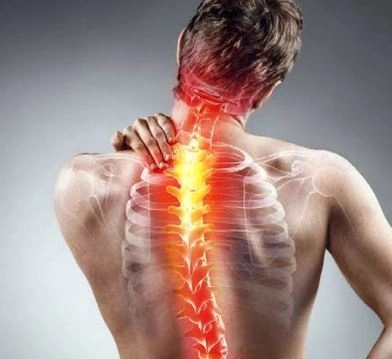
Musculoskeletal problems are among the most common health issues, as they can affect muscles, bones, joints, tendons, ligaments, and the spine. They range from minor, temporary injuries such as muscle strains and sprains to chronic conditions like osteoarthritis, back and neck pain, and joint inflammation. These issues can lead to pain, stiffness, and a reduced ability to perform daily activities; therefore, addressing them requires diagnosing the cause and determining the appropriate treatment for each case. Dr. Ahmed Hamed focuses on evaluating musculoskeletal problems and identifying the factors that may be behind the pain or limited movement to reach the appropriate treatment plan.
What Is Meant by Musculoskeletal System Problems?
Dr. Ahmed Hamed explains that the musculoskeletal system consists of an interconnected group of muscles, bones, joints, tendons, ligaments, and supporting tissues that help the body move, stay stable, and perform daily activities. Therefore, a problem in any part of this system may lead to pain, swelling, stiffness, or impaired movement. The problem may result from a sudden injury, repetitive strain, age-related changes, or certain inflammatory and chronic diseases.
Most Common Musculoskeletal Problems
Dr. Ahmed Hamed emphasizes that musculoskeletal problems vary from person to person. Among the most common are lower back pain, neck pain, osteoarthritis, joint inflammation, muscle strains and tears, ligament sprains, tendon injuries, fractures, osteoporosis, as well as shoulder, knee, and foot problems. Some of these conditions may cause difficulty in movement or reduced ability to work, practice sports, and perform daily activities.
Back and Spine Pain
Dr. Ahmed Hamed notes that back pain is one of the most widespread musculoskeletal issues. It may result from muscle strain, sitting for long periods, muscle weakness, or certain spine-related issues. Lower back pain can be short-term, recurrent, or chronic, and in some cases, the pain may extend to the legs. Therefore, persistent pain or pain that affects movement warrants a medical evaluation to determine the proper cause for treatment.
Neck and Shoulder Problems
Dr. Ahmed Hamed explains that neck and shoulder pain may be linked to improper posture while sitting in front of a computer or phone for long periods, muscle strain, repetitive movements, or certain spine and joint injuries. Symptoms may appear as pain, stiffness, or difficulty moving the neck and shoulder, and in some cases, pain may extend into the arm. Therefore, handling the condition depends on knowing the cause, symptom severity, and its impact on movement.
Osteoarthritis
Dr. Ahmed Hamed stresses the importance of early management of osteoarthritis symptoms, a condition that can cause pain, swelling, stiffness, and movement difficulty. It commonly appears in the knees, hips, spine, and hand joints, and can be linked to age, excess weight, previous joint injuries, or repetitive joint use. Maintaining appropriate physical activity, a healthy weight, and muscle strengthening can help reduce symptoms and improve movement ability.
Muscle Strains and Tears
Dr. Ahmed Hamed draws attention to the fact that muscle strains and tears can occur due to excessive effort, practicing sports incorrectly, lack of proper physical preparation before activity, or making a sudden movement. They may appear as localized pain, swelling, muscle weakness, or difficulty moving the affected area. Handling the injury varies according to its severity, location, and the nature of the damaged tissues.
Ligament and Tendon Injuries
Dr. Ahmed Hamed explains that ligament and tendon injuries are common among athletes and individuals exposed to sudden movements or repetitive stress. They may include sprains and tendon injuries resulting from overuse, often manifesting as pain, swelling, and movement difficulty. Some injuries may require rest and rehabilitative care, while more severe injuries require specialized evaluation to determine the best treatment method.
Knee Injuries
Dr. Ahmed Hamed emphasizes the necessity of not ignoring persistent knee pain, swelling, or feelings of instability, as these symptoms may be associated with ligament, cartilage, or tendon injuries, osteoarthritis, or certain inflammations. Diagnosis relies on medical examination, and the doctor may require tests or X-rays based on the nature of symptoms and condition, after which treatment is determined based on the cause and degree of injury.
Causes of Musculoskeletal Problems
Dr. Ahmed Hamed points out that the causes of musculoskeletal problems are multiple. They may result from sports injuries, accidents, severe physical effort, prolonged sitting, muscle weakness, excess weight, lack of physical activity, advancing age, or certain inflammatory and chronic diseases. Additionally, some poor daily habits can lead to increased pressure on joints, muscles, and the spine over time.
Symptoms of Musculoskeletal Problems
Dr. Ahmed Hamed explains that symptoms vary according to the type and location of the problem, but the most common signs include pain, stiffness, swelling, muscle weakness, movement difficulty, reduced ability to perform daily activities, and a feeling of instability in certain joints. Symptoms may appear suddenly after an injury or develop gradually in chronic conditions.
When Do Musculoskeletal Problems Require a Doctor?
Dr. Ahmed Hamed stresses the importance of seeking a medical evaluation when pain persists, recurs, or increases in severity, or when there is noticeable swelling, severe weakness, or marked difficulty in movement, as well as after major injuries, falls, or accidents. Early diagnosis helps identify the cause of the problem, choose appropriate treatment, and avoid prolonged symptoms or their impact on functional capacity.
Diagnosis of Musculoskeletal Problems
Dr. Ahmed Hamed explains that diagnosing musculoskeletal problems typically begins by identifying the nature of symptoms, the history of their appearance, and factors that increase or decrease pain, followed by a medical examination to evaluate movement, muscle and joint strength, and the location of pain. In some cases, the doctor may need to utilize X-rays or appropriate tests based on medical suspicion to reach a more accurate diagnosis.
Treatment Methods for Musculoskeletal System Problems
Dr. Ahmed Hamed notes that treating musculoskeletal problems does not rely on a single method for all patients, but varies according to diagnosis. Treatment may include modifying physical activity, physical therapy and movement rehabilitation, exercises to strengthen muscles and improve flexibility and movement, along with medications prescribed by the doctor when needed. Meanwhile, certain advanced injuries or conditions may require specialized or surgical interventions depending on the case. The World Health Organization emphasizes that rehabilitation is an essential component in managing many musculoskeletal conditions, including lower back pain, osteoarthritis, rheumatoid arthritis, and fractures.
The Role of Physical Therapy and Rehabilitation
Dr. Ahmed Hamed stresses that rehabilitation can be an important part of treating many musculoskeletal problems, as it can focus on improving strength, flexibility, balance, movement patterns, and restoring the ability to perform daily activities. Proper rehabilitation after certain injuries can also help with a gradual return to activity according to a plan tailored to the nature of the condition and degree of injury.
Methods for Preventing Musculoskeletal Problems
Dr. Ahmed Hamed explains that prevention relies on a set of healthy habits, most importantly maintaining an appropriate weight, practicing regular physical activity suited to one's capabilities, gradually strengthening muscles, avoiding sudden exertion, paying attention to body posture while sitting and working, using correct techniques during sports, in addition to early management of injuries and avoiding a return to intense activity before proper recovery—especially since lack of physical activity, excess weight, smoking, and certain unhealthy lifestyles are associated with an increased risk of some musculoskeletal disorders.
Importance of Early Diagnosis
Dr. Ahmed Hamed draws attention to the fact that persistent pain or limited movement without knowing the cause may lead to the problem continuing and affecting daily activity and quality of life. Therefore, evaluating symptoms in a timely manner helps identify the problem and establish an appropriate treatment and rehabilitation plan, especially in cases where pain is recurrent or accompanied by weakness, swelling, or clear difficulty in movement.