
Published on: 2026-09-06 | Written by: Dr. Ahmed Adel Hamed Physiotherapy I MOVE Center
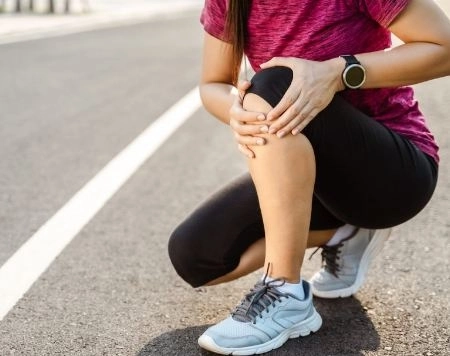
Sports injuries are among the most common problems individuals may experience while practicing sports, whether they are professional athletes or exercising recreationally. Injuries can occur due to sudden movement, a fall, impact, or excessive strain on muscles and joints. Some injuries can also result from repeating the same movement for extended periods or rapidly increasing exercise intensity. Therefore, handling the injury properly from the onset of symptoms helps reduce complications and accelerates the return to activity. Dr. Ahmed Hamed places special emphasis on evaluating sports injuries and designing an appropriate treatment plan for each case according to the nature and severity of the injury.
What Are Sports Injuries?
Sports injuries occur when muscles, tendons, ligaments, bones, or joints are subjected to stress that exceeds their capacity. Injuries are generally divided into acute injuries that happen suddenly—such as sprains, strains, fractures, and dislocations—and overuse injuries that develop gradually due to repetitive movements or long training sessions without adequate rest. Therefore, persistent pain during sports practice should not be ignored.
Most Common Types of Sports Injuries
Sports injuries vary depending on the type of athletic activity, injury site, and the nature of the movement that caused it. Among the most common are sprains, muscle and tendon tears, tendonitis, knee, shoulder, and ankle injuries, fractures, dislocations, and injuries resulting from repetitive strain. The severity of each injury ranges from mild cases manageable with rest and rehabilitation to injuries requiring specialized medical intervention.
Ankle Sprains and Ligament Injuries
Ankle sprains are considered common injuries during athletic activities, particularly in sports involving running, jumping, and sudden direction changes. Sprains occur as a result of stretching or tearing of one of the ligaments that help stabilize the joint. They may be accompanied by pain, swelling, bruising, and difficulty moving the joint or bearing weight on it. Consequently, the injury must be evaluated if the pain is severe or if there is clear difficulty walking.
Muscle Strains and Tears
A muscle strain or tear occurs when a muscle or tendon is subjected to force or effort greater than its capacity. It may appear after a sudden movement, an increase in training intensity, or exercising without proper preparation. Common symptoms include pain, swelling, spasms, and difficulty using the affected muscle. More severe injuries may require a medical evaluation and a gradual rehabilitation program before returning to sports.
Knee Injuries in Athletes
The knee is subjected to significant pressure during running, jumping, direction changes, and participating in sports that require continuous movement. Therefore, various injuries can occur to it, such as ligament, cartilage, muscle, and tendon injuries. It is important not to continue playing when severe pain, swelling, or the inability to bear body weight appears, as continuing activity despite the injury may increase damage and delay recovery.
Shoulder Injuries During Sports
Shoulder injuries can occur as a result of falls, direct contact, or repetitive movements that place continuous pressure on the joint and tendons. They may manifest as pain during movement, arm weakness, or difficulty lifting the arm. Some cases require a clinical examination, and X-rays or an MRI may be utilized when necessary to determine the nature of the injury.
Causes of Sports Injuries
Sports injuries are linked to several factors, most notably the lack of proper warm-up, using improper technique during exercises, rapidly increasing training duration or intensity, failing to get adequate rest, and using inappropriate equipment or footwear, in addition to practicing sports at a level higher than the body's current capability. Furthermore, having a previous injury may increase the likelihood of injury recurrence in some cases.
Symptoms of Sports Injuries
Symptoms vary according to the type and location of the injury, but signs requiring attention include sudden or severe pain, swelling, bruising, weakness in the affected limb, difficulty moving the joint, inability to bear weight, or a clear change in the shape of the bone or joint. In overuse injuries, pain may appear during exercise or persist afterward; thus, ignoring recurrent pain is not recommended.
Diagnosis of Sports Injuries
Diagnosing a sports injury relies on understanding how the injury occurred and the symptoms that followed, alongside a clinical examination to evaluate movement, strength, swelling, and pain location. The doctor may need to perform imaging tests such as X-rays or MRIs to help assess bones, soft tissues, ligaments, and tendons according to the case; therefore, accurate diagnosis represents an essential step in choosing appropriate treatment.
Treatment of Sports Injuries
Treatment of sports injuries varies from case to case; in mild injuries, resting, reducing the use of the affected part, and using appropriate measures to lessen pain and swelling may suffice. Meanwhile, more severe injuries may require joint or limb immobilization, or physical therapy and rehabilitation. In limited cases, surgical intervention may be necessary to repair damaged tissues or manage certain fractures and severe injuries.
First Aid for Sports Injuries
When a mild sports injury occurs, activity must stop immediately and playing through pain should be avoided. Rest, ice, compression, and elevation can be used as initial measures suitable for certain sprains and strains, taking care to protect the skin when applying ice and not putting it directly on the skin. If there is severe pain, significant swelling, visible deformity, or an inability to bear weight, a prompt medical evaluation should be sought rather than relying solely on home care.
The Role of Rehabilitation and Physical Therapy After Injury Treatment of a sports injury does not end as soon as the pain disappears, because returning to activity before restoring proper strength and movement may increase the likelihood of injury recurrence. Therefore, the rehabilitation program may include gradual exercises to improve range of motion, strength, balance, and functional ability of the affected part. The stages of returning to sports are determined according to the type of injury and the body's response to treatment.
How to Prevent Sports Injuries
Injury risk can be reduced through good warm-ups before practicing sports, gradually increasing training intensity, using correct technique, wearing appropriate footwear and equipment, obtaining sufficient rest periods, and diversifying exercises to reduce repetitive stress on the same muscles and joints. Additionally, one should listen to body signals and stop at the onset of pain rather than attempting to endure the injury.
When Does a Sports Injury Need a Doctor?
An injury requires medical evaluation in the presence of severe pain, noticeable swelling, severe bruising, inability to move the joint or bear weight, or a clear deformity in the bone or joint. A doctor should also be consulted if symptoms persist or worsen despite rest and primary care, because some injuries that appear simple may require an accurate diagnosis and an appropriate treatment and rehabilitation program.
Returning to Sports After an Injury
Returning to sports should be gradual and follow injury improvement and the restoration of proper strength, movement, and functional capability. Returning to full training as soon as pain decreases is not recommended, as tissues may need additional time to recover. Commitment to a rehabilitation program and medical follow-up helps reduce the likelihood of injury recurrence and improves the ability to return to athletic activity more safely.
Dr. Ahmed Hamed's Role in Managing Sports Injuries
Dr. Ahmed Hamed focuses on accurately evaluating sports injury cases, identifying the nature of the injury and the factors leading to it, and designing a plan suitable for managing it—whether the injury involves muscles, tendons, ligaments, or joints. Early evaluation helps identify cases requiring additional tests or specialized rehabilitation, and proper medical management aims to help the injured individual restore movement and strength to return to activity safely.
Important Tips for Athletes to Avoid Injury
Dr. Ahmed Hamed advises against ignoring pain during sports practice, ensuring a proper warm-up before training, gradually increasing exercise intensity, using proper equipment, and obtaining adequate rest between training sessions, in addition to paying attention to nutrition, fluids, and sleep. Prevention of injuries begins with following a training style appropriate to the body's capabilities without overloading muscles and joints beyond their capacity.