
Published on: 2026-09-06 | Written by: I MOVE Center, Mustafa Kamel, Dr. Ahmed Atta, Physiotherapy
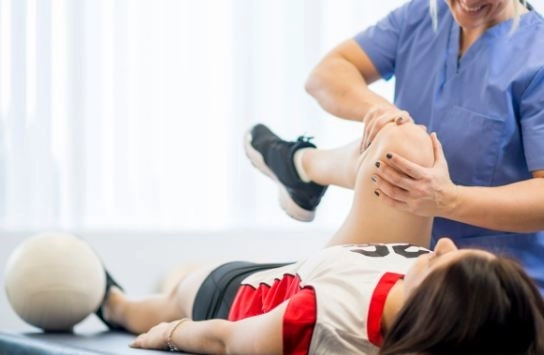
Physical therapy is one of the most important rehabilitation specialties aimed at improving movement, reducing pain, restoring muscle and joint strength, and helping patients return to their daily activities more safely. Treatment relies on evaluating the condition and developing a suitable program that includes therapeutic exercises, movement, functional rehabilitation, and certain manual techniques or therapeutic modalities according to the nature of the problem and the needs of each patient. It may be used after injuries, surgical operations, or in cases of chronic pain and various movement problems.
Physical Therapy for Spine and Back Injuries Physical therapy
emphasizes its important role in dealing with many spinal issues, lower back and neck pain, muscle spasms, and certain cases of herniated discs and sciatica. A proper rehabilitation program helps improve movement, strengthen the supporting muscles of the spine, and educate the patient on proper ways to move, sit, and perform daily activities, while underscoring the need to identify the cause of pain first without relying on random exercises without a specialist evaluation.
Physical Therapy for Knee Injuries Physical therapy stresses the importance of gradual rehabilitation in cases of knee pain, ligament and cartilage injuries, certain joint problems, and sports injuries. The program may include exercises to strengthen the thigh muscles, improve balance and movement, and restore normal knee function. Physical therapy can also be an essential part of the recovery phase following certain surgical operations, according to the doctor’s and therapist’s plan.
Physical Therapy for Shoulder Injuries Physical therapy points out that shoulder problems such as joint stiffness, tendonitis, and certain rotator cuff injuries may affect the ability to lift the arm or perform daily activities. Therefore, rehabilitation relies on improving the range of motion and gradually strengthening the muscles surrounding the shoulder joint, while selecting appropriate exercises for the condition and avoiding movements that may increase symptoms.
Physical Therapy for Sports Injuries Physical therapy explains the importance of sports rehabilitation in helping athletes and individuals practicing sports recover from sprains, muscle strains, ligament and tendon injuries, and certain knee, shoulder, and ankle injuries. The program aims to reduce pain, restore strength, flexibility, balance, and motor coordination, followed by a gradual return to sports activity while working to lower the chances of injury recurrence.
Physical Therapy After Surgery Physical therapy confirms that post-surgical rehabilitation may be necessary to restore movement, strength, and functional capacity gradually, especially after certain bone, joint, and injury surgeries. The program varies from person to person depending on the type of surgery, health status, and degree of recovery; therefore, exercises and effort levels are determined in accordance with doctor instructions and patient needs.
Physical Therapy for Muscle Spasms and Joint Pain Physical therapy highlights that muscle and joint pain does not always mean the need for total rest, as proper therapeutic movement can help improve flexibility, strength, and the ability to perform daily activities. Focus is also placed on identifying factors that may increase pain, such as muscle weakness, improper postures, or unsuitable movement styles, with adjustments made to the program based on the body's response to treatment.
Physical Therapy for Neurological Rehabilitation Physical therapy demonstrates that neurological rehabilitation can help certain patients suffering from issues affecting movement, balance, and coordination, such as recovery after strokes and certain nervous system injuries. The program aims to improve motor capabilities and self-reliance in daily activities based on each patient's condition and level of impairment.
Physical Therapy and Improving Movement and Balance Physical therapy draws attention to the importance of balance and movement training, especially for the elderly or individuals suffering from muscle weakness or walking disorders. Gradual training can help improve mobility, self-reliance, and reduce the risk of falls, with exercise selection based on condition evaluation and patient capabilities.
Physical Therapy and Its Role in Pain Reduction Physical therapy confirms that the goal of rehabilitation is not limited to managing pain alone, but includes improving body function, restoring movement, increasing strength and flexibility, and educating the patient on better ways to deal with the problem. The plan may include therapeutic exercises, manual techniques, and assistive devices according to diagnosis and condition.
Dr. Ahmed Atta for Physical Therapy and Spine Injuries Dr. Ahmed Atta explains his focus on the field of physical therapy, spine injuries, and sports injuries, where rehabilitation may rely on evaluating the patient's condition, identifying points of weakness or limited movement, and then designing a therapeutic program tailored to their needs, focusing on gradually restoring movement, strength, and the ability to perform daily and athletic activities.
Sports Rehabilitation with Dr. Ahmed Atta Dr. Ahmed Atta stresses the importance of structured rehabilitation when dealing with sports injuries, as athletes need to restore strength, flexibility, balance, and motor control prior to a full return to training and competition. Therefore, returning to activity must be gradual and aligned with the nature of the injury, the athlete's level, and the functional capacity restored.
Tailored Physical Therapy for Each Condition Dr. Ahmed Atta points out that treatment programs are not identical for all patients; appropriate treatment for someone suffering from back pain differs from a program for someone recovering from a sports injury or surgical operation. Furthermore, rehabilitation duration, number of sessions, and exercises used vary based on diagnosis, age, health status, and response to treatment, making initial evaluation a vital step before starting any therapeutic program.
Importance of Commitment to the Physical Therapy Program Dr. Ahmed Atta emphasizes that the success of rehabilitation depends on commitment to the treatment plan, executing instructions and home exercises correctly, and avoiding unsuited exertion during recovery. Physical therapy is a gradual process aimed at achieving continuous improvement in movement, strength, and function rather than temporary pain relief, and some patients may require several weeks or longer depending on the nature of the condition.