
Published on: 2026-09-06 | Written by: Dr. Mohamed Naeem Obstetrics and Gynecology
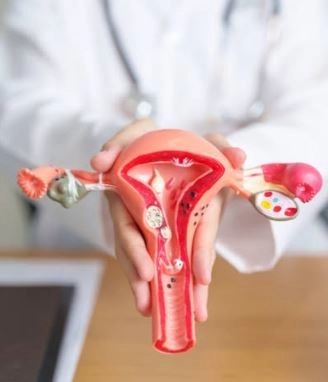
Gynecologic Oncology Surgery is considered one of the highly specialized medical fields concerned with the diagnosis and treatment of tumors affecting the female reproductive system, such as uterine tumors, endometrial cancer, ovarian tumors, cervical cancer, fallopian tube tumors, and vaginal tumors. The choice of treatment depends on the type, stage, location, and size of the tumor, as well as the patient’s overall health condition. Surgery may be an essential part of the treatment plan alongside chemotherapy, radiation therapy, or other treatments depending on the individual case.
Dr. Mohamed Naim explains that gynecologic oncology surgery aims to provide precise surgical management of tumors affecting the female reproductive organs, while assessing the extent of tumor spread and removing affected tissues when surgery is appropriate for the case. Procedures may include hysterectomy, removal of the ovaries and fallopian tubes, removal of certain lymph nodes, or removal of tissues surrounding the tumor. The appropriate procedure is determined after medical examinations, imaging studies, tissue analysis, and accurate staging of the disease.
The tumors covered by gynecologic oncology surgery include endometrial cancer, cervical cancer, ovarian cancer, fallopian tube tumors, and primary peritoneal cancer, in addition to other tumors affecting the female reproductive system. The management approach differs according to the characteristics and extent of each tumor, which is why there is no single surgical procedure suitable for all patients.
Medical references indicate that hysterectomy is one of the common surgical procedures used in the treatment of endometrial cancer, and it may be accompanied by removal of the ovaries and fallopian tubes. Some patients may also require evaluation or removal of lymph nodes in the pelvis and abdomen depending on the risk level and characteristics of the tumor. Following surgery, some patients may require additional treatment, such as radiation therapy or chemotherapy, based on the pathology results and stage of the disease.
The importance of ovarian cancer surgery lies in carefully assessing the extent of tumor spread within the abdomen and pelvis. Surgery may include removal of the uterus, ovaries, and fallopian tubes, removal of the omentum, and examination or removal of lymph nodes and affected tissues when appropriate. The extent of surgery is determined according to the nature and stage of the tumor and whether it is possible to remove as much of the tumor as possible. Surgery may be followed by medical treatments such as chemotherapy or targeted therapies depending on the individual case.
Dr. Mohamed Naim emphasizes that the treatment of cervical cancer depends largely on the stage of the disease. Surgical options in certain early-stage cases may include a cone biopsy of the cervix, hysterectomy, or radical hysterectomy with lymph node evaluation. In selected cases, fertility-preserving surgery may be possible, such as radical trachelectomy, and the decision is based on very specific criteria, the tumor stage, and the patient’s desire to preserve fertility.
Determining the stage of cancer helps assess the extent of disease and assists the medical team in developing the most appropriate treatment plan. Therefore, the patient may require several investigations, including clinical examination, appropriate imaging studies, blood tests, and biopsy followed by pathological analysis. Evaluation of lymph nodes or other organs may also be required depending on the type of cancer, as the choice of surgery depends significantly on the information obtained before and during treatment.
Medical evidence indicates that laparoscopic surgery can be used in selected cases of gynecologic cancer when appropriate. It allows surgical procedures to be performed through small incisions instead of a large open surgical incision and may, in some cases, be associated with a shorter hospital stay and faster return to daily activities compared with open surgery. However, laparoscopy is not suitable for every patient, and its use depends on the type and stage of the tumor, the expertise of the surgical team, and the patient’s medical condition.
Fertility preservation is an important consideration for women of reproductive age before starting cancer treatment whenever it is medically safe and possible. Some surgeries and cancer treatments may affect future fertility. In selected cases of early-stage cervical cancer, fertility-preserving surgery such as radical trachelectomy may be considered. Other fertility-preservation techniques, such as ovarian tissue preservation, may also be available in certain situations. Decisions should be made in collaboration between the oncology team and fertility specialists according to the nature of the disease.
The management of advanced gynecologic cancers may involve surgery as part of a comprehensive treatment plan, particularly in some cases of advanced ovarian cancer. The goal may be to remove as much visible tumor as possible when surgery is considered appropriate. Chemotherapy may be administered before or after surgery depending on the treatment plan. The decision depends on the extent of disease, the patient’s overall condition, and the potential therapeutic benefit of surgical intervention.
Dr. Mohamed Naim confirms that follow-up after gynecologic oncology surgery is just as important as the surgery itself. The follow-up plan depends on the type and stage of cancer, pathology results, and whether additional treatment is required. Follow-up may include regular medical examinations and imaging studies or laboratory tests when necessary, along with attention to nutrition, gradual physical activity, wound-care instructions, and monitoring for any unusual symptoms that should be reported to the physician.
The complex nature of tumors affecting the female reproductive system highlights the importance of consulting a specialist in gynecologic oncology surgery with experience in evaluating different cases and selecting the most appropriate surgical approach. The decision does not depend solely on the presence of a tumor, but also on its location, size, stage, relationship to surrounding organs and tissues, the patient’s age and overall health, and her desire to preserve fertility whenever this is medically possible and safe.
Dr. Mohamed Naim is a physician specializing in gynecologic oncology surgery and advanced laparoscopy. He focuses on evaluating gynecologic oncology cases and developing an appropriate treatment plan for each patient based on the diagnosis, examination results, and disease stage. His specialty also includes fertility preservation in cancer patients, which is an important consideration when treating women of reproductive age who require cancer treatment while exploring available options to preserve future fertility whenever the nature of the condition allows.
Gynecologic oncology surgery demonstrates that cancer treatment does not depend on a single surgical procedure for all patients, but rather requires an individualized treatment plan based on the type and stage of the tumor, investigation results, and the patient’s overall health. The treatment plan may include surgery, laparoscopy, chemotherapy, radiation therapy, or other medical treatments. Therefore, early diagnosis, specialized evaluation, and regular follow-up are important factors in developing the most appropriate treatment plan for each patient. Dr. Mohamed Naim specializes in gynecologic oncology surgery and advanced laparoscopy, with a particular interest in discussing fertility-preservation options for patients whose medical condition allows for them.