

Published on: 2026-09-03 | Written by: Cardio Care Center Dr. Amr Osman, Cardiologist
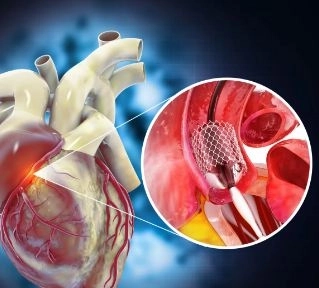
Heart and cardiovascular diseases are among the health conditions that require early diagnosis and regular follow-up, as they may affect the heart’s ability to function normally. Heart diseases include a wide range of conditions such as coronary artery narrowing, arterial blockage, blood pressure disorders, weakened heart muscle, and abnormal heart rhythms. Regular medical examinations can help detect risk factors and heart problems at an early stage. Dr. Amr Osman, Consultant in Cardiology and Interventional Cardiology, provides specialized cardiac care and evaluation using modern diagnostic methods.
What Is Interventional Cardiology?
Interventional cardiology is one of the most important modern approaches used to diagnose and treat coronary artery disease. It involves inserting a thin, flexible medical tube through a blood vessel to reach the heart’s arteries, followed by advanced imaging to identify areas of narrowing or blockage. In some cases, the procedure can help open narrowed arteries and improve blood flow. Dr. Amr Osman determines whether interventional catheterization is appropriate based on the patient’s symptoms, test results, and overall health condition.
When Does a Patient Need Interventional Catheterization?
A patient may require interventional catheterization when there is significant narrowing or blockage in one of the coronary arteries, or when angina symptoms continue despite medical treatment. It may also be used in certain cases of acute heart attacks, depending on the patient’s condition and the urgency of treatment. The decision to perform catheterization depends on several factors, including symptoms, medical history, ECG results, echocardiography, stress testing, and other appropriate examinations.
Symptoms of Coronary Artery Disease
Symptoms of heart and coronary artery disease vary from one person to another. Common warning signs include chest pain or pressure, shortness of breath, unusual fatigue during physical activity, rapid heartbeat, dizziness, and unusual sweating. In some cases, chest pain may radiate to the arm, shoulder, back, or jaw. New or severe symptoms should not be ignored, especially when they appear suddenly or are accompanied by severe shortness of breath or loss of consciousness.
Importance of ECG in Diagnosing Heart Diseases
An electrocardiogram (ECG) is one of the basic tests used to evaluate the heart’s electrical activity and detect certain heart rhythm abnormalities or changes that may indicate a cardiac problem. Continuous ECG monitoring devices can be used to monitor cardiac activity for longer periods, providing valuable information when symptoms do not appear during a short examination. Dr. Amr Osman provides continuous ECG monitoring for periods ranging from 24 hours to one week, depending on the patient’s needs.
Blood Pressure Monitoring and Heart Health
High blood pressure is an important risk factor that can affect the heart and blood vessels when it is not properly controlled. Some patients may require continuous blood pressure monitoring throughout the day to obtain a more accurate assessment of their blood pressure levels. Ambulatory blood pressure monitoring can measure blood pressure continuously for 24 to 48 hours, helping the physician evaluate blood pressure patterns and determine the appropriate treatment and follow-up plan.
Echocardiography
Echocardiography, or an ultrasound examination of the heart, helps evaluate the heart muscle, valves, wall movement, and pumping function. It is an important diagnostic tool for assessing and monitoring various heart conditions. The physician determines whether an echocardiogram is needed based on the patient’s symptoms, medical examination, medical history, and other test results.
Exercise Stress ECG
An exercise stress ECG helps evaluate how the heart responds to physical activity. During the test, the patient’s heart rate and ECG changes are monitored while the level of physical activity is gradually increased under medical supervision. This examination may be useful for evaluating patients whose symptoms occur during exertion. The physician determines whether the test is appropriate based on the patient’s medical history, symptoms, and overall health.
Interventional Catheterization and Treatment of Arterial Blockage
When significant narrowing or blockage is detected in a coronary artery, interventional catheterization may be part of the treatment plan. Depending on the patient’s condition, treatment may include procedures such as balloon angioplasty and stent placement. The appropriate procedure depends on the location and severity of the blockage, the number of affected arteries, and the patient’s overall condition. Therefore, the treatment decision should be made by a specialized cardiologist following a comprehensive evaluation.
Importance of Early Diagnosis of Heart Diseases
Early diagnosis helps identify cardiovascular risk factors and heart problems before they progress, particularly in people with a family history of heart disease or those who have high blood pressure, diabetes, high cholesterol, smoking habits, or excess weight. Regular follow-up also helps evaluate the patient’s response to treatment and modify the medical plan when necessary. Dr. Amr Osman focuses on accurate evaluation and continuous follow-up of cardiac patients to provide appropriate and comprehensive cardiac care.
Cardiac Rehabilitation
Cardiac rehabilitation is an important part of comprehensive care for some patients following heart disease or certain cardiac procedures. A rehabilitation program is based on evaluating the patient’s condition and developing an appropriate plan for physical activity, medical follow-up, education about risk factors, and a healthy lifestyle. Cardio Care Center has an integrated medical team specializing in cardiac rehabilitation under the supervision of Dr. Amr Osman.
Why Is Regular Cardiac Follow-Up Important?
Regular follow-up with a cardiologist helps detect health changes at an early stage, monitor blood pressure and cardiovascular risk factors, and evaluate symptoms regularly. It also enables the physician to determine the appropriate diagnostic tests, such as ECG, echocardiography, exercise stress ECG, or continuous ECG monitoring, according to each patient’s individual condition.