
Published on: 2026-09-03 | Written by: Dr. Karim Al-Arabi, Consultant Ophthalmologist
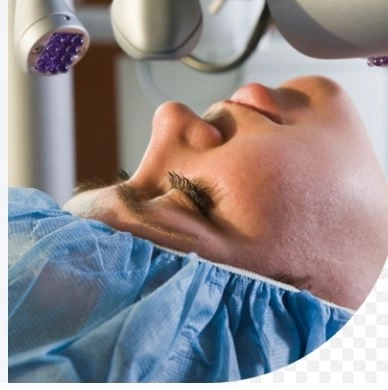
LASIK vision correction is one of the most well-known techniques used to treat refractive errors. Significant advances in eye surgery have provided several techniques for correcting myopia, hyperopia, and astigmatism, while reducing dependence on glasses and contact lenses. The appropriate technique depends on a comprehensive eye examination, corneal measurements, the degree of refractive error, and the overall health of the eye. Therefore, patients need a thorough evaluation before determining the most suitable procedure.
What Is LASIK Vision Correction?
LASIK vision correction is a surgical procedure designed to reshape the cornea using a laser so that light can be focused more accurately on the retina. This helps improve vision and correct certain refractive errors. The procedure uses precise technologies to achieve suitable results for patients who meet the necessary requirements. Dr. Karim Mostafa El Araby provides LASIK vision correction and other modern eye surgery techniques.
What Vision Problems Can Be Corrected with Laser?
Laser vision correction techniques can be used to treat several refractive errors, including myopia, hyperopia, and astigmatism. The technique reshapes the cornea according to carefully calculated measurements of the eye. The degree of correction that can be achieved varies from one person to another depending on the refractive error, corneal thickness, corneal health, and other factors evaluated during the medical examination.
Eye Examination Before LASIK Surgery
A comprehensive eye examination is one of the most important steps before vision correction surgery. It includes evaluating visual acuity, examining the cornea, measuring corneal thickness, and analyzing its shape, in addition to checking the overall health of the eye. Specialized measurements may also be performed to determine whether the patient is suitable for the procedure and which technique would be most appropriate.
Main Modern Vision Correction Techniques
The field of laser vision correction has undergone continuous development, providing several techniques that can be selected according to the condition of the eye. These include traditional LASIK, Femto-LASIK, PRK, and other laser-based procedures. There is no single technique suitable for every patient, so the most appropriate option is determined after a comprehensive examination and evaluation.
Femto-LASIK
Femto-LASIK is one of the modern techniques used for vision correction. It uses a femtosecond laser to create the corneal flap instead of traditional mechanical instruments, followed by the use of an excimer laser to reshape the cornea and correct the refractive error. The suitability of this technique depends on the condition and measurements of the cornea.
PRK Technique
PRK is one of the laser vision correction techniques in which the surface layer of the cornea is treated before the laser is used to reshape the cornea and correct the refractive error. It may be suitable for some patients who are not candidates for certain types of LASIK, particularly when there are considerations related to corneal thickness or structure. The ophthalmologist determines whether PRK is appropriate after performing the necessary examinations.
Difference Between LASIK, Femto-LASIK, and PRK
Laser vision correction techniques differ in the way the cornea is treated, the procedure itself, and the recovery period. LASIK involves creating a corneal flap followed by laser reshaping of the cornea, while Femto-LASIK uses a femtosecond laser to create the flap with high precision. PRK, on the other hand, involves treating the surface layer of the cornea and performing laser correction without creating a flap in the same manner as LASIK. The choice depends on the condition of the eye, corneal measurements, and the patient’s needs.
Who Is a Suitable Candidate for Vision Correction Surgery?
A patient’s suitability for vision correction surgery is determined after a comprehensive eye examination. Factors considered include the stability of the refractive error, corneal health, and the absence of eye conditions that could negatively affect the outcome. Corneal thickness, degree of refractive error, dry eye symptoms, and other factors are also evaluated. Patients should have realistic expectations regarding the results that can be achieved.
Benefits of LASIK Vision Correction
Laser vision correction can help improve vision and reduce dependence on glasses or contact lenses in suitable patients. Modern techniques provide precise correction based on detailed eye measurements and may improve the quality of life for people who regularly depend on glasses or contact lenses. Results vary from one patient to another.
Is LASIK Surgery Safe?
Vision correction procedures are performed using advanced technologies after carefully selecting suitable candidates and conducting the necessary examinations. However, like any surgical procedure, there may be potential side effects or complications, including dry eyes, halos around light sources, or temporary changes in visual quality. The likelihood of these symptoms varies from person to person, making a comprehensive examination and discussion of expected results and potential risks important before surgery.
Recovery After Vision Correction
The recovery period varies depending on the technique used and the condition of each eye. Vision may improve quickly after some vision correction procedures, while other techniques may require a longer period before vision becomes fully stable. Patients should follow their ophthalmologist’s instructions, use prescribed eye drops, avoid rubbing the eyes, and attend scheduled follow-up appointments.
Importance of Choosing a Specialist in Vision Correction
Choosing an experienced specialist in vision correction surgery is an important step before undergoing the procedure. The ophthalmologist evaluates the eye, determines whether the patient is suitable for surgery, and selects the most appropriate technique based on the eye measurements and the patient’s visual needs. Experience also helps in managing different cases and selecting the appropriate procedure for each patient.
Dr. Karim Mostafa El Araby for Vision Correction
Dr. Karim Mostafa El Araby provides LASIK vision correction and other modern techniques, in addition to specializing in cataract surgery and intraocular lens implantation. The appropriate vision correction technique is determined after the necessary examinations and measurements, along with a comprehensive assessment of the cornea and overall eye health.
When Should You Consult an Ophthalmologist?
Anyone considering reducing their dependence on glasses or contact lenses should undergo a specialized eye examination before considering vision correction surgery. An ophthalmologist should also be consulted if there are changes in vision or persistent symptoms such as blurred vision, dry eyes, or difficulty seeing at night. A proper examination helps determine the cause of the problem and identify suitable treatment options.
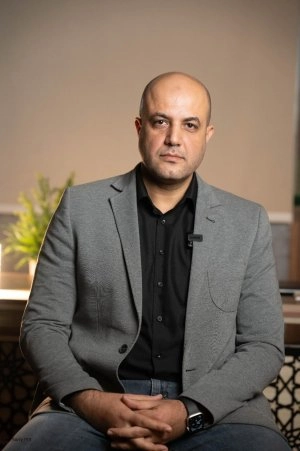
Dr. Karim Mostafa El Araby
With experience in cataract surgery, intraocular lens implantation, and LASIK vision correction, Dr. Karim Mostafa El Araby evaluates each case through comprehensive eye examinations and accurate measurements before determining the appropriate procedure. This helps select the technique that best suits the patient’s eye condition and visual needs.