

Published on: 2026-09-03 | Written by: Dr. Karim Al-Arabi, Consultant Ophthalmologist
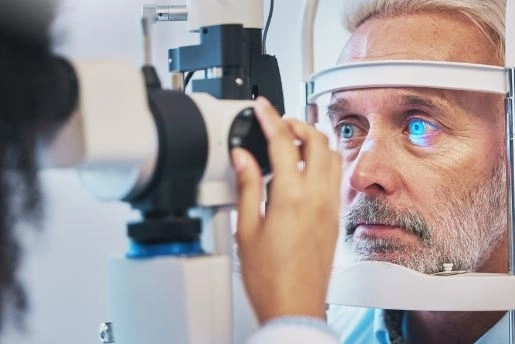
Modern intraocular lens implantation is one of the most important techniques used in ophthalmology and eye surgery. It can help correct certain vision problems and reduce dependence on glasses in many cases. Intraocular lenses are commonly used during cataract surgery to replace the cloudy natural lens after it is removed. In recent years, different types of lenses have been developed to meet the needs of different patients, making the choice of the appropriate lens an important step based on a comprehensive eye examination, accurate measurements, and the ophthalmologist’s assessment of each case.
What Is Modern Intraocular Lens Implantation?
Intraocular lens implantation is a procedure in which the natural lens of the eye is replaced with an artificial lens designed to improve vision. The implanted lenses vary in design, function, and ability to correct different vision problems. The most suitable type is determined according to the patient’s age, eye condition, degree of refractive error, and daily visual needs. Dr. Karim Mostafa El Araby is a Consultant in Cataract Surgery, Intraocular Lens Implantation, and LASIK Vision Correction, providing specialized services in this field.
Types of Modern Intraocular Lenses
There are several types of intraocular lenses, and the appropriate type varies according to each patient’s condition. The most common types include monofocal lenses, which are generally designed to provide clear vision at a specific distance; multifocal lenses, which aim to improve vision at more than one distance; and extended-depth-of-focus lenses, which provide a wider range of vision. There are also lenses designed to correct astigmatism, known as toric lenses. The choice of lens depends on accurate examination results, the patient’s expectations, and lifestyle.
Monofocal Lenses
Monofocal lenses are among the most commonly used types of intraocular lenses. They are designed to provide clear vision at a specific distance, with distance vision often selected as the primary target. Depending on the patient’s condition and the degree of correction required, glasses may still be needed for reading or close-up activities after surgery. This type of lens has a simple design and is suitable for many patients undergoing cataract surgery.
Multifocal Lenses
Multifocal lenses are designed to provide more than one focal point inside the eye, aiming to improve vision for distance, near, and some intermediate activities. They may help some patients reduce their dependence on glasses after surgery. However, their suitability varies from one patient to another, so a detailed assessment of the cornea, retina, optic nerve, and overall eye health is necessary, along with a discussion with the ophthalmologist regarding the patient’s expectations and potential outcomes.
Extended-Depth-of-Focus Lenses
Extended-depth-of-focus lenses are designed to provide a wider range of vision compared with traditional monofocal lenses. They may be suitable for some patients who wish to improve their distance and intermediate vision, although reading glasses may still be required for certain close-up activities. The choice of this type of lens depends on the patient’s daily lifestyle and the visual results that can reasonably be achieved after surgery.
Toric Lenses for Astigmatism
Toric lenses are used to correct astigmatism associated with cataracts or certain refractive errors. These lenses are designed with specific powers and axes to match the measurements of the patient’s eye. Accurate measurements before surgery are essential to determine the appropriate lens power and axis, making the preoperative examination and measurements important steps in selecting the right lens.
When Is Intraocular Lens Implantation Needed?
Intraocular lens implantation is commonly performed during cataract surgery, when the natural lens of the eye becomes cloudy and is replaced with an artificial intraocular lens. In some other cases, intraocular lenses may also be used to correct certain refractive errors depending on the ophthalmologist’s assessment. The doctor determines whether the procedure is appropriate after performing a comprehensive eye examination and ensuring that there are no conditions that could prevent the surgery.
How Is the Appropriate Lens Selected?
The choice of the most suitable intraocular lens depends on several factors, including the condition of the eye, degree of refractive error, presence of astigmatism, and the health of the cornea, retina, and optic nerve. The patient’s occupation, daily activities, and desire to reduce dependence on glasses are also considered. Specialized measurements are performed to calculate the required lens power. Dr. Karim Mostafa El Araby evaluates the condition of the eye and relies on the necessary examinations and measurements before determining the most appropriate lens for each patient.
The Importance of Preoperative Eye Examinations
Preoperative examinations help determine the condition of the eye and select the appropriate lens accurately. These examinations may include measuring the eye’s axial length, corneal measurements, determining the degree of astigmatism, and examining the retina and optic nerve. These measurements help calculate the appropriate power of the implanted lens and reduce the possibility of errors in lens selection. Therefore, the examination and assessment stage is one of the most important steps in preparing for surgery.
Benefits of Modern Intraocular Lenses
Modern intraocular lens implantation can provide several benefits depending on the type of lens and the patient’s condition. These benefits may include improved vision after cataract removal, correction of certain refractive errors or astigmatism, and reduced dependence on glasses in some patients. Continuous developments in lens design have also provided a wider range of options that can be selected according to the visual needs of each patient.
Is Intraocular Lens Implantation Suitable for Everyone?
There is no single type of intraocular lens that is suitable for every patient. The choice depends on the eye examination, accurate measurements, overall eye health, and the patient’s visual needs. A specific lens may be suitable for one patient but not recommended for another. Therefore, a comprehensive evaluation should be performed before making a decision. The ophthalmologist should also explain the type of lens, expected results, and any precautions associated with the procedure before surgery.
Intraocular Lens Implantation During Cataract Surgery
Intraocular lens implantation is an essential part of cataract surgery in most cases. After removing the natural lens that has become cloudy, an artificial lens is placed inside the eye to restore its ability to focus light. A monofocal, toric, multifocal, or other type of lens may be selected according to the patient’s eye condition. Dr. Karim Mostafa El Araby provides cataract surgery and modern intraocular lens implantation services, with the appropriate technique and lens selected based on the medical evaluation.
Postoperative Care After Lens Implantation
After intraocular lens implantation, patients should follow the ophthalmologist’s instructions, use prescribed eye drops and medications as directed, avoid rubbing the eye, and attend scheduled follow-up appointments. Patients should also contact their doctor if they experience unusual symptoms such as severe pain, sudden decrease in vision, or significant redness. Regular follow-up helps evaluate the stability of the eye and the improvement of vision after surgery.
Dr. Karim Mostafa El Araby for Intraocular Lens Implantation
Dr. Karim Mostafa El Araby provides specialized services in cataract surgery, intraocular lens implantation, and LASIK vision correction. The choice of lens is based on a thorough eye examination, accurate measurements, and each patient’s individual needs. These steps help determine the most appropriate option and achieve the best possible visual outcome according to the condition of the eye.
Dr. Karim Mostafa El Araby’s Clinic Address
Dr. Karim Mostafa El Araby’s clinic is located in Raml Station, Alexandria, at 13 Dr. Mohamed Raafat Street, off Faculty of Medicine Street, Ferial Cinema descent. The clinic receives patients at specific scheduled times, and patients can inquire about available appointments before visiting the clinic.