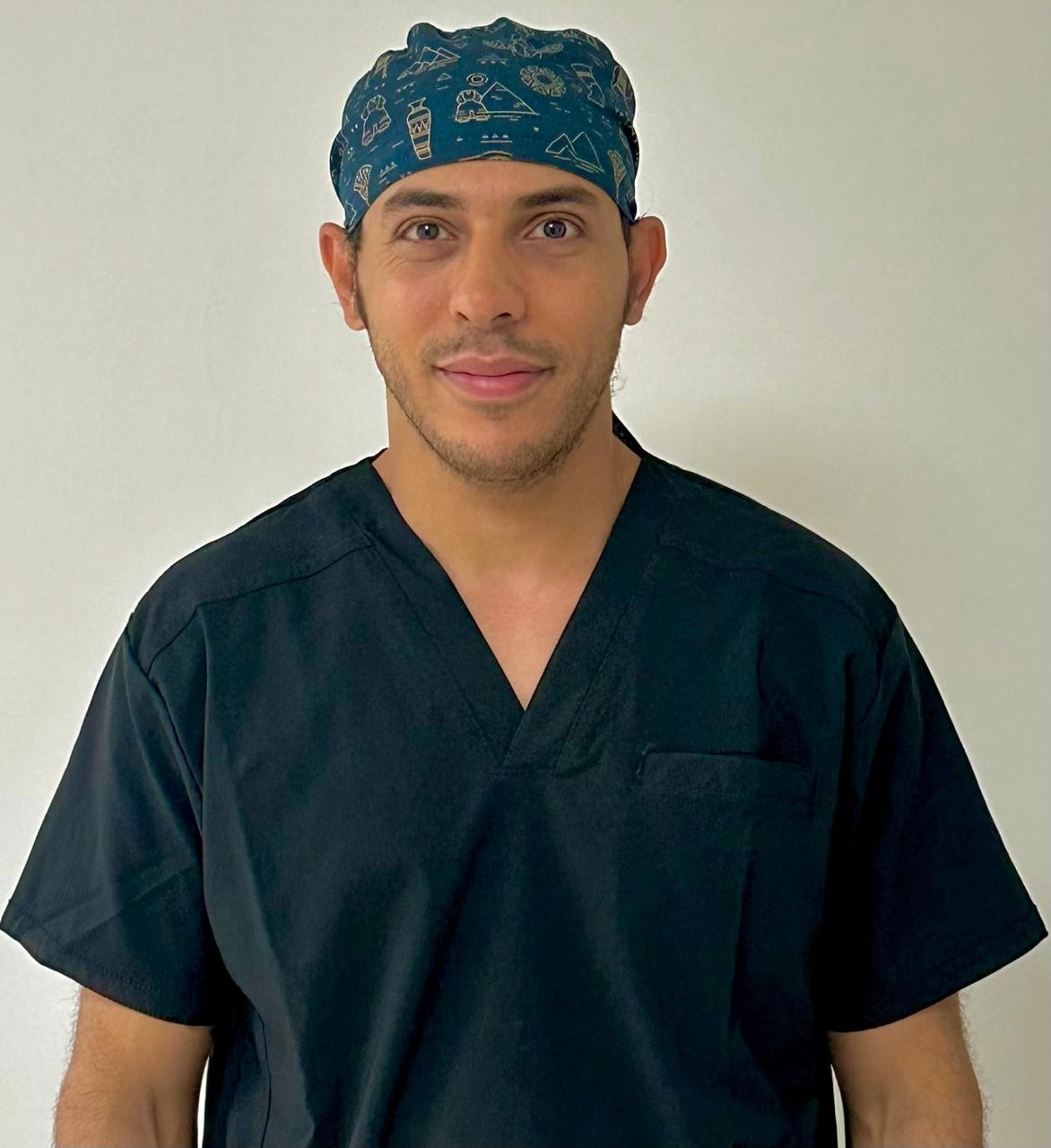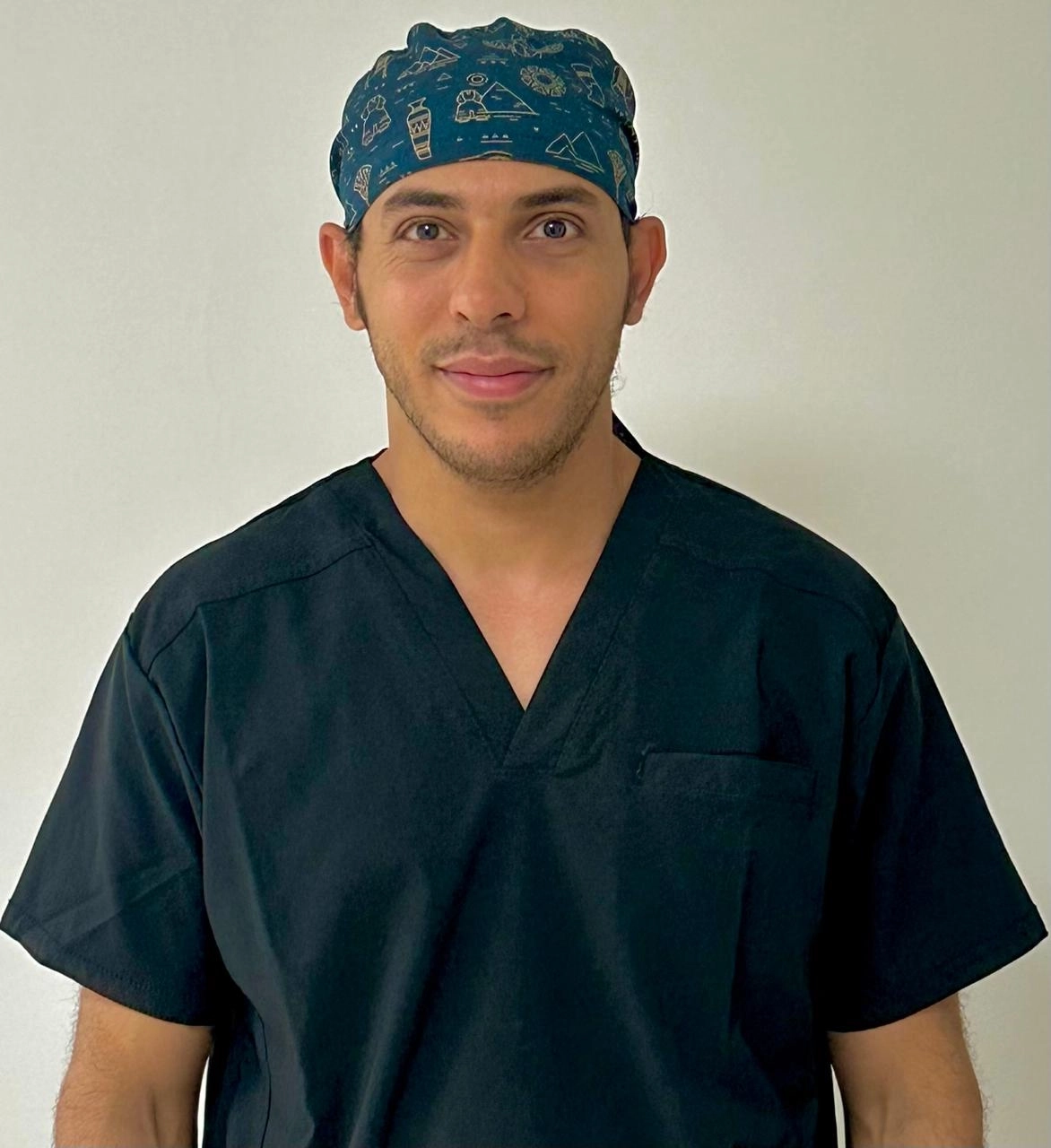

Published on: 2026-08-29 | Written by: Dr. Ahmed Shaarawy, Urology and Andrology
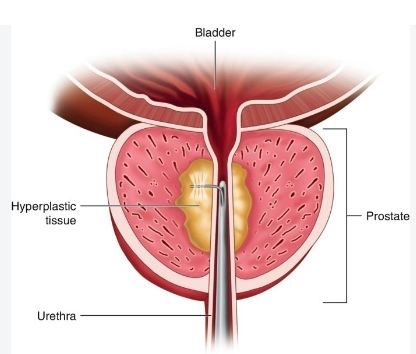
Benign prostatic hyperplasia (BPH) is a common condition among men as they age, where enlargement of the prostate gland can put pressure on the urethra and cause symptoms such as weak urine flow, difficulty starting urination, frequent nighttime urination, incomplete bladder emptying, and an urgent need to urinate. The appropriate treatment varies depending on the prostate size, severity of symptoms, and the patient's overall health.
What Is Laparoscopic Surgery for Enlarged Prostate?
Laparoscopic prostate surgery involves inserting a specialized scope through the urethra to reach the prostate and remove or treat the enlarged tissue that obstructs urine flow, without the need for a large abdominal incision. Endoscopic and laser procedures are among the minimally invasive techniques used to treat benign prostatic hyperplasia.
Plasma Treatment for Enlarged Prostate
Plasma technology for treating an enlarged prostate is performed using an endoscope inserted through the urethra. The energy produced by the plasma helps remove or resect the enlarged prostate tissue that is blocking urine flow. The suitability of this technique is determined after evaluating the prostate size, symptoms, and the patient's overall health.
Benefits of Laparoscopic and Plasma Treatment
Modern endoscopic and energy-based techniques can help relieve urinary symptoms caused by an enlarged prostate. Some minimally invasive procedures may also allow for faster recovery compared with certain traditional surgical procedures. The appropriate technique depends on the patient's medical evaluation.
When Is Surgery Needed for an Enlarged Prostate?
Surgery may be recommended when symptoms of an enlarged prostate significantly affect the patient's quality of life, when medications do not provide adequate improvement, or when complications occur, such as urinary retention, recurrent urinary tract infections, bladder stones, or significant urinary obstruction. A urologist determines the appropriate timing and surgical technique based on each patient's condition.
The Role of Dr. Ahmed Shaarawy in Treating Enlarged Prostate
Dr. Ahmed Shaarawy provides specialized care in enlarged prostate treatment and endoscopic and plasma prostate surgery, starting with a comprehensive evaluation of the patient's condition, the degree of prostate enlargement, and the resulting urinary symptoms, followed by selecting the most appropriate treatment approach according to the patient's individual needs.
Is Endoscopic Prostate Surgery Suitable for Everyone?
There is no single treatment technique that is suitable for every patient with an enlarged prostate. The choice of treatment depends on factors such as prostate size, severity of symptoms, the effect of enlargement on the bladder and urinary tract, and the patient's general health. Therefore, a thorough medical evaluation is essential before deciding on the appropriate procedure.
Treating Enlarged Prostate Without Open Surgery
Modern techniques such as endoscopic prostate surgery, laser procedures, and energy-based treatments allow doctors to access the prostate through the urethra and treat the enlarged tissue without open surgery in suitable cases, making these techniques important options for treating benign prostatic hyperplasia.
Why Is an Enlarged Prostate Treated?
The goal of enlarged prostate treatment is to improve urine flow, relieve urinary symptoms, and help the bladder empty more effectively. Treating the obstruction may also reduce the risk of certain complications associated with benign prostatic hyperplasia, including urinary retention, urinary tract infections, and bladder problems.
Dr. Ahmed Shaarawy for Endoscopic and Plasma Prostate Surgery
Dr. Ahmed Shaarawy is a specialist that patients may consider when seeking medical consultation regarding endoscopic and plasma surgery for an enlarged prostate. Treatment begins with evaluating the patient's symptoms and conducting the necessary examinations before determining the most appropriate treatment option for each case.