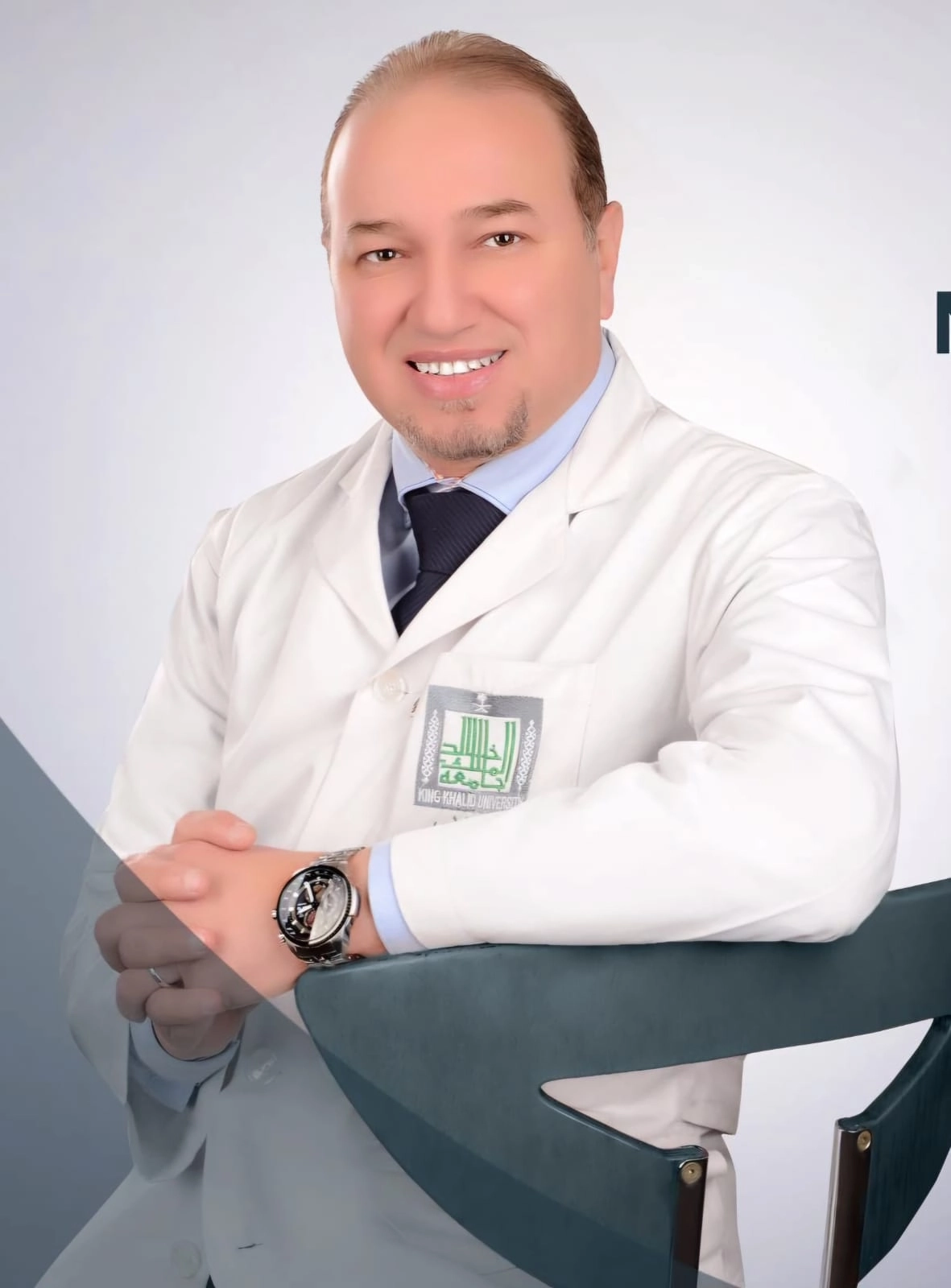

Published on: 2026-08-27 | Written by: Dr. Khaled Al-Dakhakhni Consultant in Obstetrics

What Is Infertility?
Dr. Khaled El-Dakhakhny explains that infertility refers to the inability to achieve pregnancy after 12 months or more of regular unprotected sexual intercourse, and the cause may be related to the female partner, the male partner, both partners, or may remain unexplained, which is why medical evaluation should involve both partners rather than focusing on only one of them.
Causes of Infertility in Women
Female infertility may be associated with ovulation disorders, polycystic ovary syndrome (PCOS), fallopian tube problems, endometriosis, uterine fibroids, certain uterine conditions, or hormonal disorders, while age, lifestyle, and general health may also influence fertility, making appropriate medical evaluation important for identifying the underlying cause.
Causes of Infertility in Men
Male infertility may be associated with low sperm count, poor sperm motility, abnormal sperm morphology, hormonal disorders, blockage of the reproductive tract, or problems affecting sperm production, which is why evaluating the male partner alongside the female partner is an important part of infertility assessment.
The Importance of Diagnosing the Cause of Infertility
Early and accurate diagnosis helps determine the appropriate treatment instead of applying the same approach to every couple, with treatment options ranging from timed intercourse and treatment of underlying medical conditions to ovulation-inducing medications, intrauterine insemination, and assisted reproductive technologies such as IVF and ICSI, depending on the individual case.
Tests Used to Evaluate Infertility
Dr. Khaled El-Dakhakhny explains that infertility evaluation may include semen analysis, assessment of ovulation and ovarian reserve, hormonal testing, pelvic ultrasound, and evaluation of the fallopian tubes when necessary, with the specific tests selected according to the couple’s medical and reproductive history and the results of the initial assessment.
Treatment of Ovulation Disorders
Treatment of ovulation disorders depends on the underlying cause, as some women may experience irregular or absent ovulation due to PCOS, hormonal disorders, or other health factors, and the physician may prescribe medications to stimulate ovulation while monitoring the response with ultrasound and other appropriate tests.
Treating PCOS and Infertility
Polycystic ovary syndrome (PCOS) can interfere with regular ovulation and may make pregnancy more difficult for some women, while treatment focuses on improving ovulation and addressing related health factors, with medications or assisted reproductive technologies considered when necessary according to the patient’s individual condition.
Treatment of Blocked Fallopian Tubes
Fallopian tube evaluation is important because blocked tubes may prevent sperm from reaching the egg or interfere with the movement of the egg and embryo, while treatment depends on the location and severity of the blockage, the woman’s age, and other fertility factors, with assisted reproductive technologies sometimes considered when appropriate.
Treatment of Uterine Problems
Uterine conditions such as fibroids, certain abnormalities within the uterine cavity, and endometriosis may affect fertility or pregnancy in some women, making specialized evaluation important to determine whether a specific medical or surgical intervention may improve reproductive outcomes.
Treatment of Male Infertility
Male infertility treatment begins with evaluating semen analysis, hormones, medical conditions, lifestyle factors, and other possible causes, after which certain conditions may be managed with medications or appropriate medical procedures, while some cases involving significant sperm problems may require assisted reproductive technologies.
Ovulation Induction for Infertility
Ovulation induction involves medications prescribed according to the woman’s condition to stimulate the development of eggs, with the response potentially monitored through ultrasound and laboratory tests, after which the timing of intercourse, intrauterine insemination, or another fertility treatment can be determined according to the couple’s specific needs.
Intrauterine Insemination (IUI)
Intrauterine insemination (IUI) is an assisted reproductive technique that may be suitable for certain infertility cases, in which a prepared sperm sample is placed directly into the uterus around the time of ovulation, while its suitability depends on factors such as the underlying cause of infertility and the condition of both partners.
ICSI for Infertility
Dr. Khaled El-Dakhakhny explains that Intracytoplasmic Sperm Injection (ICSI) is an assisted reproductive technique that may be used in certain infertility cases, particularly when there are significant sperm-related problems or previous fertilization difficulties, with a single sperm injected directly into a mature egg in the laboratory before the resulting embryo is monitored and potentially transferred to the uterus.
In Vitro Fertilization (IVF)
In Vitro Fertilization (IVF) is another form of assisted reproductive technology, in which the ovaries are stimulated, eggs are retrieved, and fertilization takes place in a laboratory before embryos are monitored and an appropriate embryo is transferred to the uterus, with the physician determining whether IVF is suitable based on the couple’s test results and medical history.
Factors That Affect Fertility
Fertility can be influenced by several factors, including the woman’s age, egg quality, ovarian reserve, ovulation, uterine and fallopian tube health, sperm count and motility, sperm quality, and certain lifestyle and health factors, which is why evaluating both partners is important when developing an appropriate treatment plan.
Lifestyle and Fertility
A healthy lifestyle can support reproductive health, while factors such as smoking, excessive alcohol consumption, obesity, and certain environmental exposures may negatively affect fertility, making balanced nutrition, appropriate physical activity, maintaining a healthy weight, and avoiding smoking important steps for couples planning pregnancy.
Psychological Support During Infertility Treatment
Psychological support can be valuable during infertility treatment because the process may involve stress, anxiety, emotional pressure, and disappointment, particularly when treatment takes a long time or multiple attempts are required, making emotional support and professional psychological care helpful when needed.
When Should You See an Infertility Specialist?
Medical evaluation is generally recommended after 12 months of regular unprotected intercourse without achieving pregnancy, although earlier evaluation may be appropriate depending on age, medical history, reproductive history, or known factors that may affect fertility, and both partners should ideally be evaluated as part of the assessment.
Choosing the Right Treatment
Dr. Khaled El-Dakhakhny explains that infertility treatment is not based on one universal method, but rather on an individualized plan determined by the cause of infertility, test results, the couple’s age, overall health, ovarian function, sperm quality, uterine condition, and fallopian tube health, with treatment potentially progressing from simpler approaches to assisted reproductive technologies such as IUI, IVF, or ICSI when medically appropriate.
Conclusion
Dr. Khaled El-Dakhakhny confirms that infertility treatment begins with accurate evaluation of both partners and identification of the underlying cause, whether related to ovulation, ovarian function, the uterus, fallopian tubes, sperm quality, or combined factors, followed by selection of the most appropriate treatment, which may include treatment of the underlying condition, ovulation induction, intrauterine insemination, IVF, or ICSI, together with appropriate medical follow-up, emotional support, and healthy lifestyle practices throughout the treatment journey.