

Published on: 2026-08-27 | Written by: Dr. Khaled Al-Dakhakhni Consultant in Obstetrics
What Is ICSI?
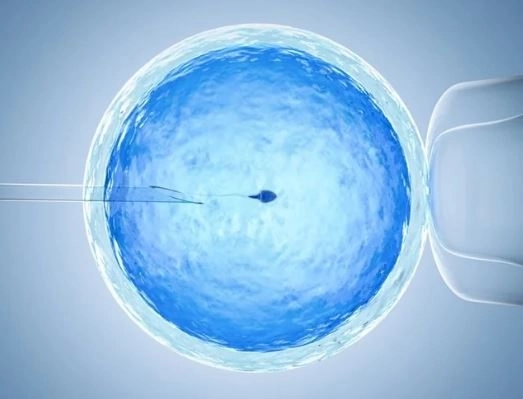
Dr. Khaled El-Dakhakhny explains that Intracytoplasmic Sperm Injection (ICSI) is one of the important assisted reproductive technologies, in which a single sperm is directly injected into an egg in the laboratory to facilitate fertilization, after which the resulting embryos are monitored and evaluated before selecting suitable embryos for transfer into the uterus according to each couple’s medical condition.
When Is ICSI Recommended?
The importance of ICSI is that it may be an appropriate option for several cases of infertility and delayed conception, particularly when there are significant problems with sperm count, motility, or quality, previous difficulties with fertilization, or certain situations requiring sperm obtained through specialized medical procedures.
The Difference Between ICSI and IVF
Dr. Khaled El-Dakhakhny explains that ICSI and In Vitro Fertilization (IVF) are assisted reproductive techniques that may involve ovarian stimulation, egg retrieval, embryo development in the laboratory, and embryo transfer into the uterus, but the main difference is how fertilization occurs, as conventional IVF places eggs and sperm together in a laboratory environment to allow fertilization, while ICSI involves injecting a single sperm directly into the egg using specialized microscopic equipment.
Preparation Before ICSI
Preparation for ICSI involves a comprehensive medical evaluation of both partners to identify possible causes of infertility and determine the most appropriate treatment plan, which may include assessment of ovarian reserve and function, semen analysis, hormonal tests, and other investigations based on the couple’s reproductive and medical history.
Ovarian Stimulation Before ICSI
Ovarian stimulation involves using hormonal medications prescribed by the physician to encourage the ovaries to produce multiple eggs during one treatment cycle, while the response is monitored through ultrasound examinations and, when appropriate, hormonal blood tests, with medication doses adjusted according to the individual response.
Egg Retrieval
Egg retrieval is performed after the eggs have reached the appropriate stage of maturity according to the physician’s assessment, using a suitable medical procedure under professional supervision, after which the eggs are transferred to the embryology laboratory for evaluation and selection of mature eggs suitable for ICSI.
Sperm Preparation
Sperm preparation focuses on selecting suitable sperm cells for ICSI, with the sperm sample processed in a specialized laboratory using appropriate techniques, while the method of obtaining and preparing sperm varies according to the male partner’s condition and semen analysis results, with some cases requiring specialized procedures to obtain sperm.
ICSI Procedure in the Embryology Laboratory
Dr. Khaled El-Dakhakhny explains that ICSI is performed in a specialized laboratory, where a single sperm is selected and injected directly into the egg using highly precise equipment under microscopic guidance, after which the eggs are monitored to determine whether fertilization has occurred and whether the embryos are developing appropriately.
Embryo Development After ICSI
Embryo development begins after successful fertilization, with fertilized eggs placed in appropriate laboratory conditions that support continued growth, while the embryology team monitors cell division, embryo development, and embryo quality over the following days before determining which embryos are suitable for transfer according to the treatment plan.
Embryo Transfer
Embryo transfer is performed using a thin medical catheter that is gently introduced into the uterus to transfer the selected embryo or embryos, while the timing and number of embryos transferred are determined according to factors such as the woman’s age, embryo quality, medical history, and the treatment plan, while considering the goal of reducing the risks associated with multiple pregnancy.
Pregnancy Testing After ICSI
After embryo transfer, patients are generally advised to wait until the time recommended by their physician before undergoing a blood pregnancy test, as symptoms alone cannot reliably confirm whether implantation has occurred, and if the result is positive, appropriate follow-up with laboratory testing and ultrasound examinations may be performed to monitor the pregnancy.
Factors That Affect ICSI Success
Factors affecting ICSI success vary from one case to another and may include the woman’s age, ovarian reserve, egg quality, sperm quality, embryo quality, the cause of infertility, uterine condition, and other health factors, which is why an individual success rate cannot be guaranteed before the couple undergoes appropriate medical assessment.
The Importance of Pregnancy Follow-Up After ICSI
Pregnancy follow-up after ICSI is important for monitoring pregnancy development and fetal growth after pregnancy has been confirmed, and may include pregnancy hormone testing and ultrasound examinations at appropriate times, along with monitoring the mother’s health and the development of the pregnancy throughout its different stages.
Is ICSI Suitable for Every Case of Infertility?
Accurate diagnosis is important because ICSI is not necessarily the appropriate option for every case of infertility, as some conditions may be managed with medications or other procedures, while other cases may require assisted reproductive technologies, making treatment selection dependent on the cause of infertility, test results, the couple’s age, and overall health.
The Doctor’s Role During the ICSI Journey
Dr. Khaled El-Dakhakhny explains that choosing a specialist in obstetrics and gynecology, infertility, and ICSI can help ensure proper evaluation and development of an individualized treatment plan, while careful monitoring throughout ovarian stimulation, egg retrieval, fertilization, embryo development, and embryo transfer is an important part of the assisted reproduction journey.
Important Tips Before ICSI
Proper preparation for ICSI includes following the physician’s instructions, taking medications according to the prescribed schedule, attending all recommended examinations, maintaining a balanced diet and healthy sleep habits, avoiding smoking and harmful substances, and informing the physician about any medications or supplements being taken before starting new medications or supplements.
Conclusion
Dr. Khaled El-Dakhakhny confirms that ICSI is an important assisted reproductive technology that can be used for certain cases of infertility and delayed conception, with the treatment journey beginning with a comprehensive evaluation of both partners and identification of the underlying cause, followed by ovarian stimulation, egg retrieval, sperm preparation, ICSI, embryo development and monitoring, embryo transfer, and pregnancy follow-up, while the treatment plan varies according to the woman’s age, ovarian reserve, egg and sperm quality, embryo quality, and the underlying cause of infertility.