

Published on: 2026-08-27 | Written by: Dr. Dina Alaa Farag, Consultant Dermatologist
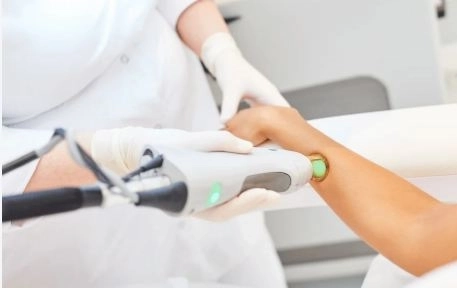
laser hair removal using the latest international devices, how laser sessions help reduce hair growth, the most commonly treated areas, the number of sessions required, and the factors that affect results, with the importance of choosing the right doctor and device for each skin and hair type.
What Is Laser Hair Removal?
Laser hair removal is a cosmetic procedure that uses light energy directed at the hair follicles to affect them and reduce their ability to produce hair, and the technique can be used on many areas of the body and face, with results varying from one person to another depending on skin tone, hair thickness, hair color, and the treated area.
How Does Laser Hair Removal Work?
Laser hair removal sessions work by directing light energy toward the melanin pigment in the hair, where the energy is converted into heat that helps weaken the hair follicle, which is why dark hair is generally more responsive to laser treatment than light-colored hair, while darker skin requires appropriate device settings to reduce the possibility of irritation or changes in skin pigmentation.
The Latest Laser Hair Removal Devices
Modern laser hair removal devices have developed significantly and now offer advanced technologies, cooling systems, and multiple settings that allow the practitioner to choose an approach suitable for different skin tones, hair types, and treatment areas, although using a modern device alone does not guarantee the same results for everyone because proper device selection, settings, and professional experience all contribute to successful treatment.
Laser Hair Removal for Different Skin Types
Laser technology can be used with different skin types, but choosing the appropriate device and settings should depend on skin tone and hair characteristics, as some laser technologies may be more suitable for darker skin while others may work better with different skin types, making an initial assessment helpful in determining the safest and most suitable option.
Laser Hair Removal for Sensitive Skin
Laser hair removal for sensitive skin can be performed with appropriate precautions, as temporary redness or a sensation of heat may occur after treatment, and managing sensitive skin depends on assessing the skin condition, selecting suitable settings, using cooling systems, and following proper aftercare instructions.
Main Areas Treated with Laser Hair Removal
Laser hair removal can be used on many areas of the body and face, including the face, arms, legs, underarms, bikini area, back, and chest, among other areas, with the appropriate treatment approach determined according to hair characteristics and skin sensitivity.
Laser Hair Removal for the Face
Laser facial hair removal can be used to reduce unwanted hair in areas such as the upper lip, chin, and face, while excessive facial hair may require evaluation of the underlying cause in some cases, particularly when hair growth is excessive or develops suddenly, as certain cases may be associated with hormonal factors that require medical assessment.
Laser Hair Removal for the Bikini Area
Bikini laser hair removal sessions can gradually reduce hair growth with repeated treatments, and treatment of this sensitive area requires appropriate settings based on the individual's skin and hair type, along with proper preparation before the session and suitable skin care afterward.
How Many Laser Hair Removal Sessions Are Needed?
Most people require multiple laser hair removal sessions because hair grows through different stages, and hair follicles are more responsive when the hair is in the active growth phase, which is why sessions are scheduled at specific intervals determined according to the treatment area, hair type, and individual response.
Are Laser Hair Removal Results Permanent?
Laser hair removal can provide long-term reduction in hair growth, but it does not necessarily mean that every hair will disappear permanently, and some people may require additional or maintenance sessions to maintain their results, while the level of response can vary depending on hormonal factors, hair type, skin type, and the treated area.
Laser Hair Removal vs. Traditional Hair Removal Methods
Laser hair removal differs from shaving, waxing, and hair removal creams, which either remove hair from the skin's surface or temporarily remove it from the root, while laser treatment targets the hair follicles with the goal of reducing hair growth over time, making it a suitable long-term option for people seeking to reduce unwanted hair.
Preparing for a Laser Hair Removal Session
Preparation for a laser session requires following the instructions provided by the practitioner, which may include avoiding certain hair-removal methods that pull out the hair from the root before treatment, avoiding excessive sun exposure or products that may increase skin sensitivity, and informing the practitioner about any medications or skin treatments being used.