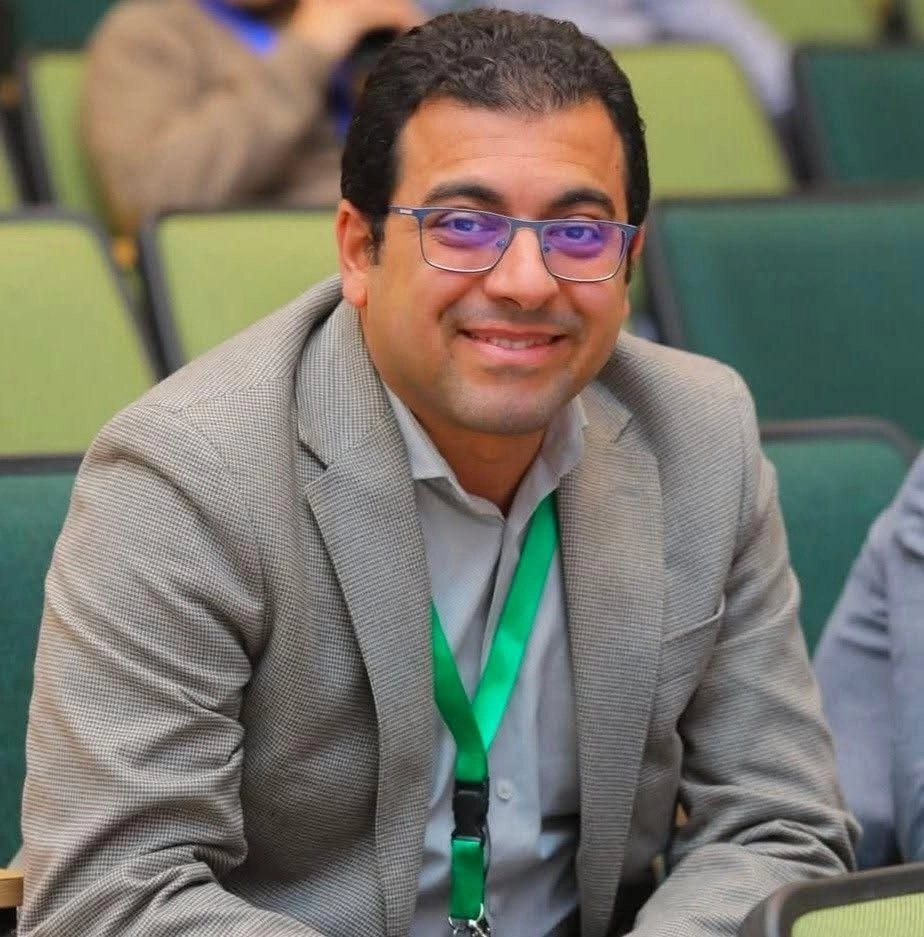

Published on: 2026-08-27 | Written by: Dr Ahmed Saeed PhD in Neurosurgery and Spine Surgery

precise brain surgery for treating brain tumors and neurological disorders, the most important modern neurosurgical techniques, and the role of accurate planning and advanced imaging in achieving the best possible treatment outcomes while preserving brain functions as much as possible.
Modern neurosurgery aims to perform precise brain surgery by reaching affected areas with the highest possible accuracy while minimizing the impact on healthy brain tissue, and these procedures may be used to treat brain tumors, skull base tumors, certain neurological disorders, and vascular malformations, with the appropriate technique depending on the location, size, and nature of the condition as well as the patient's overall health.
Dr. Ahmed Said specializes in evaluating cases that may require brain surgery, where imaging techniques such as MRI and CT scans help determine the location of the tumor and its relationship to areas responsible for important functions such as movement, speech, and vision, while the surgical goal may be complete tumor removal, removing as much of the tumor as safely possible, or obtaining a biopsy to determine the tumor type.
Successful precise brain surgery depends on careful preoperative planning, including the use of advanced imaging techniques and detailed brain mapping to identify the safest surgical approach, while computer-assisted surgical navigation can help guide the surgeon toward the targeted area with greater accuracy during the procedure.
Modern techniques include endoscopic brain surgery, in which the surgeon uses a thin endoscope equipped with a camera and specialized instruments to access certain affected areas through small openings, and this approach may be used in selected cases, including some pituitary tumors and skull base tumors, depending on the location and characteristics of the tumor.
In selected cases, awake brain surgery may be performed, where the patient remains awake during part of the procedure and communicates with the surgical team or performs specific tasks, helping identify areas responsible for important functions such as speech and movement and reducing the possibility of affecting these functions during tumor removal.
Image-guided and computer-assisted surgery can help identify the tumor or targeted area with greater precision by combining MRI, CT scans, and other imaging techniques to create a detailed model that assists with surgical planning and guides instruments during the procedure, and these technologies are used in various cases involving brain tumors and neurological disorders.
Some cases may be treated using minimally invasive surgical techniques instead of traditional surgery, including endoscopic procedures, smaller surgical openings, or certain targeted treatment methods, and when appropriate, these techniques may help reduce injury to surrounding tissues, shorten hospital stays, and support faster recovery, although minimally invasive surgery is not necessarily the best option for every patient.
Precise brain surgery is not limited to tumors and may also be used to treat certain neurological disorders, including epilepsy, some movement disorders, and arteriovenous malformations, with the appropriate intervention depending on the type of disorder, its location, symptoms, and impact on the nervous system.
Brain and neurosurgery may be considered when medical examinations and diagnostic imaging indicate that surgery could help remove a tumor, obtain a tissue sample, relieve pressure on brain tissue, or control certain symptoms, while surgery may not be appropriate for every condition, making accurate diagnosis and careful evaluation essential before making a treatment decision.
Dr. Ahmed Said focuses on comprehensive evaluation before brain surgery because these procedures require a high level of precision, and potential risks vary depending on the type and location of the surgery and may include bleeding, infection, blood clots, or effects on brain functions such as movement, speech, vision, or hearing.
Recovery after brain surgery varies according to the type of procedure, the location of the tumor or neurological disorder, and the patient's condition before surgery, and some patients may require medical follow-up or rehabilitation after the procedure to regain certain functions or improve their ability to perform daily activities, while some brain tumor patients may require additional treatments such as radiation therapy or chemotherapy depending on the tumor type and pathology results.
Dr. Ahmed Said provides specialized services in neurosurgery, with surgical cases evaluated through accurate diagnosis, detailed imaging studies, and medical examinations to determine the nature and location of the condition, followed by selecting the most appropriate surgical approach for each case while focusing on preserving brain functions as much as possible.
Choosing a specialist in precise brain and neurosurgery is an important step when a patient has a tumor or neurological disorder requiring surgical intervention, as these procedures require careful planning and an understanding of the relationship between the affected area and vital brain centers, while some cases may require collaboration between neurosurgeons, radiologists, oncologists, neurologists, and rehabilitation specialists to develop a comprehensive treatment plan.
No, not every brain tumor requires surgery, as treatment depends on the tumor type, size, location, symptoms, and the patient's overall health, and observation, radiation therapy, or other treatment options may be appropriate for certain cases.
Brain surgery is performed after carefully evaluating the potential benefits and risks, and the use of imaging technologies, surgical navigation, and minimally invasive techniques in appropriate cases can improve the accuracy of reaching the targeted area while minimizing the effect on healthy tissue, although no surgical procedure is completely risk-free.
Complete tumor removal may be possible in some cases, while partial removal or a biopsy may be the safer option in others, particularly when the tumor is located near vital areas responsible for movement, speech, or vision.
The main goal is to reach and treat the affected area with the highest possible level of accuracy while preserving healthy brain functions as much as possible, with the specific objective varying between tumor removal, obtaining a biopsy for diagnosis, relieving pressure and symptoms, or treating a specific neurological disorder.