

Published on: 2026-08-27 | Written by: Dr. Ramadan Ahmed Ramadan, Orthopedic Surgery
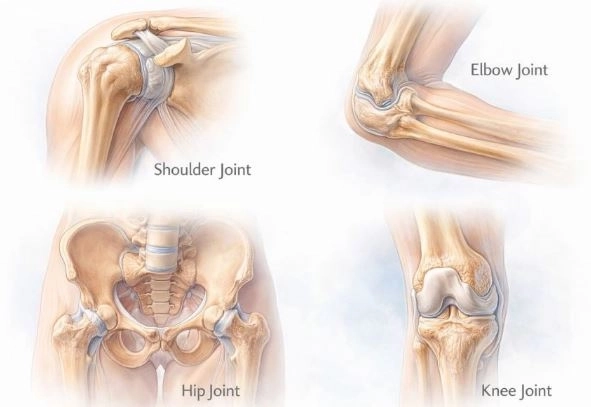
The Importance of Joints and the Knee in Body Movement
Dr. Ramadan Ahmed Ramadan explains that joints are essential parts of the musculoskeletal system because they connect bones and allow movement and flexibility, while the knee joint is one of the largest and most complex joints in the body, connecting the thigh bone, shinbone, and kneecap, with cartilage helping reduce friction and absorb shock during movement.
Causes of Joint and Knee Pain
The causes of joint and knee pain can include osteoarthritis, inflammation, ligament and cartilage injuries, meniscus tears, sports injuries, and age-related changes, making accurate diagnosis important because treatment varies according to the underlying cause, severity of symptoms, and condition of the joint.
Knee Osteoarthritis
Knee osteoarthritis is one of the most common joint problems and occurs when the cartilage covering the ends of the bones inside the joint gradually deteriorates, potentially causing pain, stiffness, difficulty moving, and swelling, with symptoms sometimes becoming more noticeable after periods of inactivity or prolonged physical activity.
Symptoms of Knee Osteoarthritis
Dr. Ramadan Ahmed Ramadan explains that knee osteoarthritis symptoms may include pain while walking or climbing stairs, joint stiffness, difficulty bending or straightening the knee, swelling, and a grinding or clicking sensation during movement, while symptoms may gradually become more noticeable as cartilage damage progresses.
Arthritis and Joint Inflammation
Joint inflammation may affect one or several joints and can cause pain, swelling, stiffness, and limited movement, with different types of arthritis having different causes, making medical evaluation important for determining the nature and duration of symptoms and identifying the most likely underlying condition.
Knee Ligament Injuries
Knee ligament injuries can occur due to sudden movements, twisting, falls, or sports-related injuries, and may result in pain, swelling, or knee instability, while treatment depends on the specific ligament involved and the severity of the injury.
Meniscus Injuries
Meniscus injuries may occur because of knee twisting, sudden movements, squatting, or sports activities, and can also be associated with age-related changes or osteoarthritis, potentially causing pain, swelling, stiffness, or difficulty moving the knee depending on the severity of the tear.
Knee Pain in Older Adults
Knee pain with aging may become more common due to an increased likelihood of joint degeneration and cartilage wear, which can contribute to pain, stiffness, and reduced mobility, although age alone does not necessarily mean that surgery is required, as several treatment options may be considered according to the individual condition.
Diagnosis of Joint and Knee Problems
Dr. Ramadan Ahmed Ramadan explains that diagnosing knee and joint problems begins with evaluating symptoms, medical history, and performing a physical examination, while imaging studies or other tests may be recommended when necessary to identify the source of pain and determine whether the cartilage, ligaments, or surrounding tissues are affected.
Treatment of Knee and Joint Pain
Treatment for knee and joint pain varies according to the underlying cause and may include relative rest, therapeutic exercises, weight management when appropriate, suitable medications, physical therapy, or certain medical procedures, while surgery may be considered in cases where it is medically necessary after a comprehensive evaluation.
Physical Therapy and Knee Exercises
Therapeutic exercises can help improve the strength of the muscles surrounding the knee, range of motion, and ability to perform daily activities, while exercises should ideally be selected according to the condition of the joint and performed under professional guidance when pain or injury is present.
Weight Management and Its Effect on the Knee
Maintaining a healthy weight is important because overweight and obesity are associated with an increased risk of knee osteoarthritis, while weight management may be an important part of a non-surgical treatment plan for reducing pain and improving mobility in some patients with knee osteoarthritis.
Knee Joint Injections
Dr. Ramadan Ahmed Ramadan explains that some patients may be candidates for certain knee joint injections depending on their diagnosis and condition, and corticosteroid injections may provide short-term pain relief for some patients with knee osteoarthritis, while other injection options have varying levels of effectiveness and may not be appropriate for everyone.
When Is Knee Surgery Necessary?
Surgical treatment is not the first option for every case of knee pain and may be considered when the condition is severe or when non-surgical treatments do not provide adequate improvement, with the decision depending on the cause of pain, degree of joint damage, impact on mobility and daily life, and the patient’s overall health.
Preventing Joint and Knee Problems
Preventing knee and joint problems includes maintaining a healthy weight, engaging in appropriate physical activity, strengthening the muscles, avoiding movements that place excessive stress on the joint, and addressing injuries promptly, while early diagnosis of certain conditions can help prevent symptoms from having a greater impact on mobility.
When Should You See a Doctor?
Medical evaluation is recommended when knee pain, swelling, stiffness, difficulty moving, or joint instability persists, particularly when symptoms develop after an injury or begin interfering with walking, climbing stairs, or performing daily activities, because identifying the underlying cause is essential for choosing appropriate treatment.
Conclusion
Dr. Ramadan Ahmed Ramadan confirms that healthy joints and knees are essential for maintaining mobility and performing daily activities, while knee pain can result from various conditions, including osteoarthritis, inflammation, ligament and cartilage injuries, and sports injuries, making accurate diagnosis essential for selecting the appropriate treatment, which may include therapeutic exercises, physical therapy, weight management, medications, medical procedures, or surgery when necessary, while persistent knee pain should not be ignored and should be professionally evaluated.