

Published on: 2026-08-23 | Written by: Dr. Khaled Fathy Fouad, Lecturer of Ophthalmology
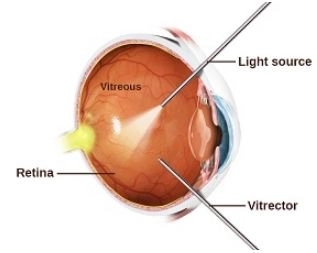
Advanced Vitreoretinal Surgery
Meta Description: Learn about advanced vitreoretinal surgery, its indications, benefits, preparation, and recovery, with information about the specialized services provided by Dr. Khaled Fathy Fouad in retinal and vitreous surgery.
What Is Vitreoretinal Surgery?
Vitreoretinal surgery is a specialized type of eye surgery that focuses on treating conditions affecting the retina and vitreous body, and it may be recommended when medications, injections, or laser treatment are not sufficient.
When Is Vitreoretinal Surgery Needed?
Vitreoretinal surgery may be required in cases such as retinal detachment, vitreous hemorrhage, severe diabetic retinopathy, macular holes, and some types of epiretinal membranes, depending on the patient's condition and medical evaluation.
Retinal Detachment Surgery
Surgery for retinal detachment aims to reattach the retina and prevent further vision loss, and the appropriate surgical technique depends on the type and extent of the retinal detachment.
Vitreous Hemorrhage
A vitreous hemorrhage can cause blurred vision or the appearance of dark spots and floaters, and in some cases, vitreoretinal surgery may be needed to remove the blood from the vitreous cavity and treat the underlying cause.
Diabetic Retinopathy and Vitreoretinal Surgery
Advanced diabetic retinopathy may sometimes lead to bleeding, scar tissue formation, or retinal detachment, and vitreoretinal surgery can be used in selected cases to address these complications.
Macular Hole Surgery
A macular hole is an opening in the central part of the retina that can affect central vision, and surgery may be recommended to help close the hole and improve the chances of visual recovery.
Epiretinal Membrane Surgery
An epiretinal membrane is a thin layer of scar tissue that can develop on the surface of the retina and cause distorted or blurred vision, and surgery may be considered when the symptoms significantly affect vision.
Modern Techniques in Vitreoretinal Surgery
Modern vitreoretinal procedures use microsurgical techniques and specialized instruments that allow the surgeon to work precisely inside the eye, with the choice of technique depending on the patient's diagnosis and the condition of the retina and vitreous.
OCT Before Vitreoretinal Surgery
Optical Coherence Tomography (OCT) can provide detailed images of the retinal layers and macula, helping the doctor evaluate the condition and determine the appropriate treatment plan when surgery is being considered.
Recovery After Vitreoretinal Surgery
Recovery varies depending on the type of surgery and the underlying eye condition, and some patients may need specific postoperative instructions regarding medications, physical activity, sleeping position, or follow-up examinations.
Importance of Regular Follow-Up
Regular follow-up after surgery is important for monitoring healing, checking the retina and vitreous, and identifying any postoperative complications at an early stage.
Dr. Khaled Fathy Fouad and Vitreoretinal Surgery
Dr. Khaled Fathy Fouad is a Consultant of Ophthalmic Surgery and Vitreoretinal Surgery, with specialized experience in retinal and vitreous conditions and the use of modern diagnostic technologies such as OCT.
Conclusion
Advanced vitreoretinal surgery provides specialized treatment for several complex retinal and vitreous conditions, and choosing the appropriate surgical technique depends on accurate diagnosis, detailed eye examination, and assessment of the patient's individual condition.