

Published on: 2026-08-23 | Written by: Dr. Ismail Nawar, Consultant Obstetrician
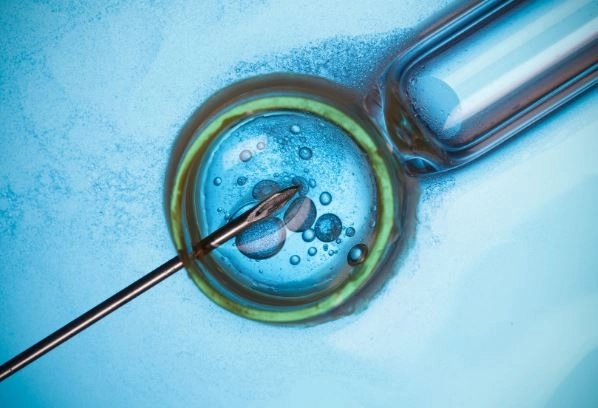
What Is ICSI?
Dr. Ismail Nawar explains that ICSI (Intracytoplasmic Sperm Injection) is an advanced assisted reproductive technique performed as part of in vitro fertilization (IVF), in which a single sperm is carefully selected and injected directly into a mature egg in the embryology laboratory to facilitate fertilization, and the technique is particularly useful in certain cases of male-factor infertility or previous fertilization problems.
When Is ICSI Recommended?
The reasons for using ICSI may include low sperm count, poor sperm motility, or significant abnormalities in sperm quality, as well as previous failure or poor fertilization during conventional IVF, while ICSI is not necessarily recommended routinely for every IVF cycle when there is no clear medical indication.
The Difference Between IVF and ICSI
The difference between IVF and ICSI is that conventional IVF involves placing sperm and eggs together in the laboratory and allowing fertilization to occur naturally, while ICSI involves directly injecting a single sperm into an egg, making ICSI a specialized fertilization technique within the IVF process rather than a completely separate treatment.
Steps of the ICSI Procedure
Dr. Ismail Nawar explains that ICSI treatment generally involves several stages, beginning with evaluating both partners and performing the necessary fertility tests, followed by ovarian stimulation and monitoring egg development, egg retrieval, sperm preparation, direct sperm injection into the eggs, embryo development and assessment, and finally transferring the selected embryo into the uterus according to the individualized treatment plan.
Tests Before ICSI
Pre-ICSI fertility testing helps identify the underlying cause of infertility and determine the most appropriate treatment protocol, and may include assessment of ovulation, ovarian reserve, the uterus and fallopian tubes when indicated, as well as semen analysis, blood tests, and other examinations based on the couple’s medical history.
Ovarian Stimulation Before Egg Retrieval
Ovarian stimulation involves hormonal medications that encourage the development of multiple follicles in the ovaries in order to obtain an appropriate number of mature eggs, while ultrasound monitoring and, when necessary, hormone testing are used to assess the ovarian response and determine the appropriate timing for the next stage of treatment.
Egg Retrieval During ICSI
Egg retrieval is generally performed using an ultrasound-guided needle to access the ovaries and collect mature eggs, with appropriate anesthesia or sedation provided according to the clinic’s protocol and the woman’s medical condition, after which the eggs are transferred to the embryology laboratory for assessment and fertilization.
The Role of Sperm in ICSI Success
Dr. Ismail Nawar explains that sperm quality is an important factor in determining the appropriate fertilization technique, and ICSI can be particularly useful when there are significant problems with sperm count, motility, or fertilization ability, while the male partner is evaluated through semen analysis and additional tests when required.
How Is ICSI Performed in the Laboratory?
The ICSI procedure in the embryology laboratory involves using highly specialized microscopic equipment to select a single sperm and inject it directly into a mature egg, after which the fertilized egg is placed under controlled laboratory conditions and monitored over the following days to assess embryo development.
Embryo Monitoring After Fertilization
Embryo monitoring involves observing the embryos in the embryology laboratory to evaluate their cell division and development, while embryo selection for transfer is based on several factors assessed by the fertility and embryology teams, and suitable embryos may also be frozen for potential future use according to the treatment plan.
Embryo Transfer
Embryo transfer involves placing the selected embryo inside the uterus using a thin catheter passed through the cervix, and this is an important stage of the ICSI journey, after which the physician determines the appropriate time for a pregnancy test based on the timing of embryo transfer and the treatment protocol.
Does ICSI Guarantee Pregnancy?
Dr. Ismail Nawar warns that ICSI does not guarantee pregnancy or live birth, because the outcome depends on several factors, including the woman’s age, egg and sperm quality, embryo quality, uterine condition, the cause of infertility, and previous fertility treatment attempts, meaning that treatment outcomes vary from one couple to another.
Is ICSI Suitable for Every Infertility Case?
Individualized treatment assessment is important because ICSI is not automatically the best option for every couple experiencing infertility, and current evidence does not support routine ICSI for cases without significant male-factor infertility or previous fertilization failure, making the decision dependent on a comprehensive medical evaluation.
Risks of ICSI and IVF
Medical monitoring is important because IVF and ICSI may involve certain risks, including an excessive ovarian response or ovarian hyperstimulation syndrome (OHSS), as well as an increased possibility of multiple pregnancy and certain pregnancy-related complications, while the ICSI procedure itself may occasionally cause damage to some eggs, making careful medical and laboratory monitoring essential.
The Importance of Follow-Up After Embryo Transfer
Post-transfer follow-up requires adherence to the physician’s instructions and prescribed medications, while pregnancy testing should be performed at the recommended time rather than too early, followed by appropriate pregnancy monitoring if the test is positive to assess the health and development of the pregnancy.
Factors That May Support ICSI Success
Maintaining good health before and during treatment includes focusing on a healthy body weight, balanced nutrition, appropriate physical activity, avoiding smoking, managing chronic medical conditions, and attending scheduled medical appointments, while medications, fertility drugs, hormones, or supplements should not be used without medical supervision.
The Importance of Choosing a Fertility Specialist
Dr. Ismail Nawar explains that choosing a physician specializing in infertility treatment and ICSI helps provide a comprehensive evaluation of both partners, identify the underlying cause of delayed pregnancy, select the most appropriate treatment approach, and carefully monitor ovarian stimulation, egg retrieval, fertilization, embryo development, and embryo transfer according to each couple’s individual needs.
Conclusion
Dr. Ismail Nawar confirms that ICSI is an advanced assisted reproductive technique that can play an important role in the treatment of infertility and may be particularly beneficial in cases involving male-factor infertility or previous fertilization failure, while routine use is not necessary for every IVF case without a clear medical indication, making accurate fertility assessment, continuous medical monitoring, and an individualized treatment plan essential components of the fertility treatment journey.