
Published on: 2026-08-23 | Written by: Dr. Ahmed Al-Khatib Prof of Oncology Surgery
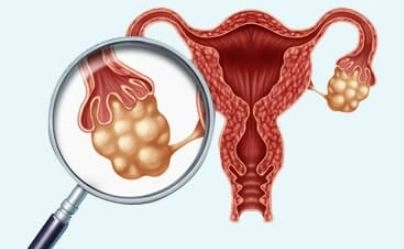
Uterine, ovarian, and gynecological cancer surgery are specialized fields that require comprehensive diagnosis and an appropriate treatment plan, based on accurate medical evaluation and selecting the appropriate surgical procedure for each case.
Dr. Ahmed El Khatib emphasizes that uterine and ovarian cancer surgery requires an accurate evaluation of the tumor type, size, stage, and extent of spread, as the treatment plan varies from one case to another and may include surgery along with other treatments according to the diagnosis.
Dr. Ahmed El Khatib explains that gynecological tumors may develop in the uterus, ovaries, cervix, or other parts of the reproductive system, which is why proper management depends on the necessary medical examinations and determining the nature and stage of the tumor before selecting the appropriate treatment.
Dr. Ahmed El Khatib confirms that surgery is one of the main treatment options for many cases of uterine tumors, and it may include hysterectomy with or without additional procedures such as removal of the ovaries and fallopian tubes or evaluation of the lymph nodes according to the type and stage of the tumor.
Dr. Ahmed El Khatib warns that ovarian cancer surgery may aim to remove the tumor and affected tissues as much as possible, and in some cases may include removal of the uterus, both ovaries, and fallopian tubes, or removal of other tissues depending on the extent of tumor spread and the patient's condition.
Dr. Ahmed El Khatib emphasizes that determining the type and stage of the tumor before surgery helps establish a more accurate treatment plan, as some cases may require surgery alone, while others may require chemotherapy, radiation therapy, or additional treatments as part of the overall treatment plan.
Dr. Ahmed El Khatib explains that the type of surgical procedure varies depending on the location of the tumor, its extent of spread, and the patient's condition, and procedures may include hysterectomy, removal of one ovary and fallopian tube, removal of both ovaries and fallopian tubes, or removal of affected tissues and lymph nodes when necessary.
Dr. Ahmed El Khatib warns that follow-up after treatment for gynecological cancers is an important part of medical care, as the patient may require regular examinations and continuous evaluation according to the type of tumor and the treatment received.
Dr. Ahmed El Khatib confirms that treatment for ovarian tumors varies according to the type and stage of the tumor, and some cases may be treated with surgery with or without chemotherapy, while advanced cases may require a combination of surgery, chemotherapy, or other treatments.
Dr. Ahmed El Khatib emphasizes the importance of having cases of uterine, ovarian, and gynecological cancers evaluated by a specialized doctor, as determining the appropriate type of surgery and the extent of tissue removal depends on specific details related to each case.
Dr. Ahmed El Khatib explains that the management of uterine, ovarian, and gynecological cancers begins with accurate diagnosis and determining the type and stage of the tumor, followed by developing an appropriate treatment plan that may include surgery or other treatments, along with regular medical follow-up.