
Published on: 2026-08-20 | Written by: Dr. Mohamed Alaa Al-Adly, Specialist in Oral
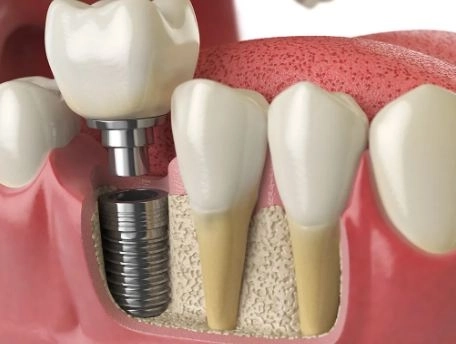
Dr. Mohamed Alaa Al-Adly explains that dental prosthetics are restorative solutions designed to replace missing teeth or restore damaged teeth and improve their natural functions, while also focusing on the appearance and harmony of the smile according to each patient’s condition.
Dr. Mohamed Alaa Al-Adly emphasizes that dental prosthetics are not limited to improving the appearance of the smile, but can also help restore chewing and speaking functions and contribute to maintaining proper tooth alignment and oral function after the loss of one or more teeth.
Dr. Mohamed Alaa Al-Adly explains that fixed dental prosthetics are designed to remain stable inside the mouth and can be used to replace missing teeth or restore severely damaged teeth, with the appropriate type determined according to the location and condition of the tooth and the number of teeth requiring treatment.
Dr. Mohamed Alaa Al-Adly warns that removable dental prosthetics are one of the options used to replace several missing teeth, and they can be removed and inserted by the patient according to the dentist’s instructions, with the choice depending on the condition of the gums and jaw, the number of missing teeth, and the patient’s needs.
The importance of dental prosthetics is confirmed because they can help replace gaps caused by missing teeth and improve oral function and the overall appearance of the smile, while replacing missing teeth may also help distribute chewing forces more effectively depending on the type of prosthesis and the condition of the mouth.
The importance of cosmetic dental prosthetics is explained by their ability to combine restoration of dental function with improvement of appearance, as the shape and color of the prosthesis can be selected to complement the natural teeth and create a harmonious smile, while the teeth and gums should be evaluated before treatment begins.
Dentists emphasize that dental prosthetics may be appropriate in cases involving missing teeth or severely broken, weakened, or damaged teeth, while the dentist determines whether prosthetic treatment is necessary after examining the teeth, gums, and jaw and evaluating the available treatment options.
Dentists explain that the process begins with an examination and diagnosis of the oral and dental condition, followed by selecting the appropriate type of prosthesis, preparing the teeth when necessary, taking the required measurements, designing the prosthesis, and trying it in before final placement or delivery according to the type of treatment.
Dentists warn that choosing the appropriate dental prosthesis varies from one patient to another and does not depend on appearance alone, as the dentist considers the number of missing teeth, the condition of the remaining teeth and gums, jawbone condition, tooth location, and the patient’s functional and cosmetic needs.