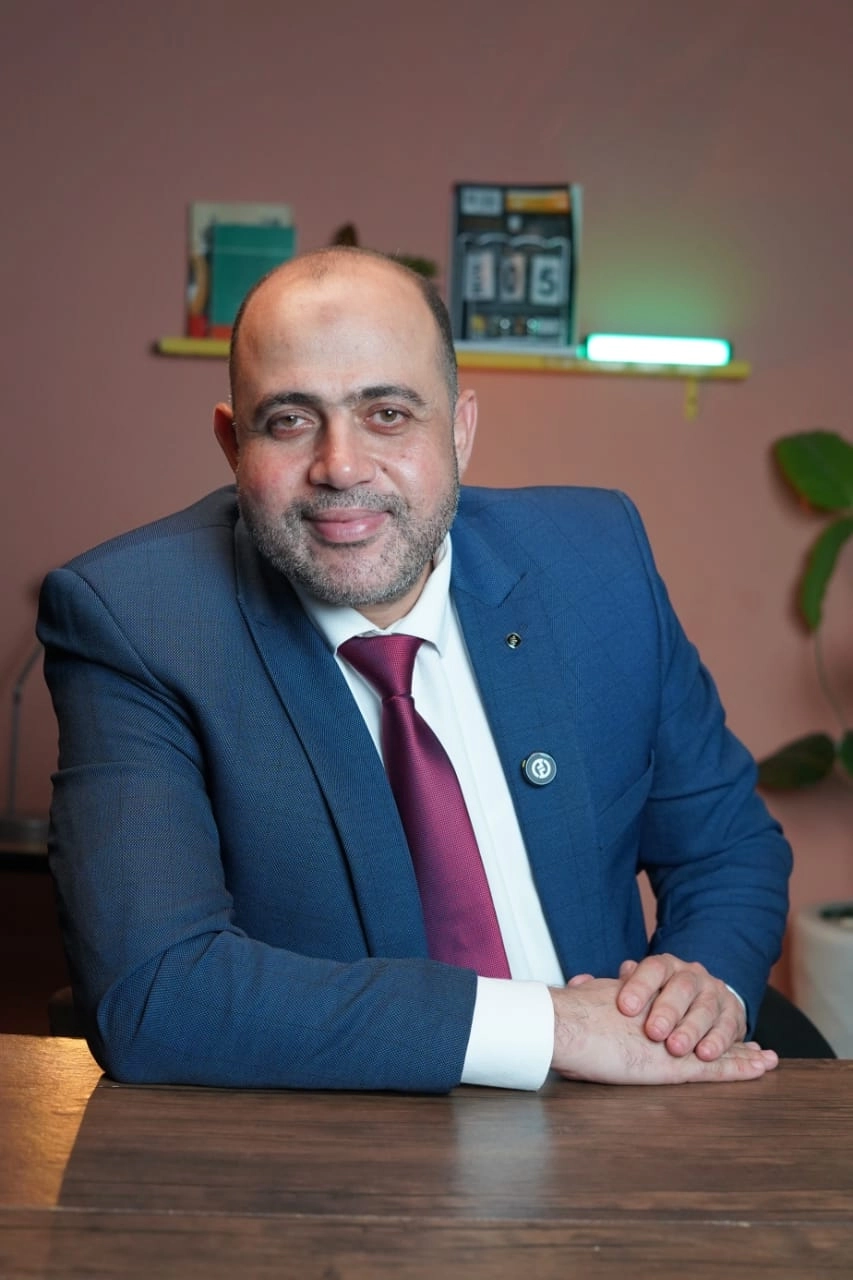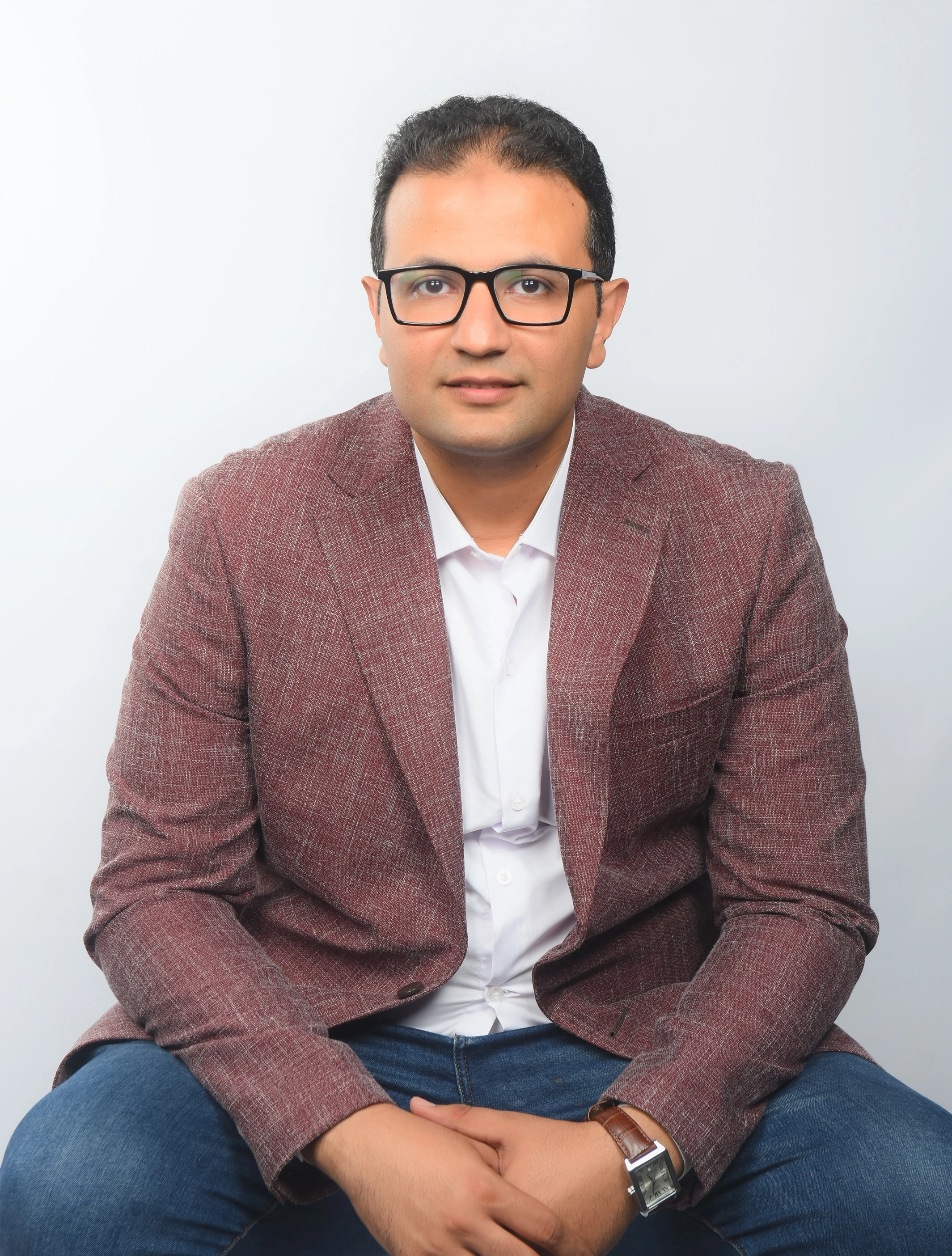

Published on: 2026-08-20 | Written by: Dr. Mohamed Farouk Asal, Professor of Oncology
Advanced surgical oncology and advanced laparoscopic surgery are important specialties for treating various types of tumors, including breast, gastrointestinal, and colorectal cancers, using minimally invasive surgical techniques when medically appropriate, under the supervision of Professor Dr. Mohamed Farouk Assal, a specialist in surgical oncology and advanced laparoscopic surgery.
What Is Surgical Oncology and Advanced Laparoscopic Surgery?
Surgical oncology and advanced laparoscopic surgery combine surgical expertise with modern techniques to manage tumors according to their type, location, stage, and the patient’s overall health, with surgery potentially being an essential part of a cancer treatment plan or used to help diagnose the disease and determine its extent.
Surgical Oncology
Professor Dr. Mohamed Farouk Assal emphasizes that surgical oncology aims to remove a cancerous tumor or as much of it as medically possible, while surgery may also be used to help determine the stage of the disease or relieve certain symptoms, with the treatment plan depending on the tumor type, stage, and the patient’s general health.
Cosmetic and Reconstructive Breast Cancer Surgery
Professor Dr. Mohamed Farouk Assal stresses the importance of considering both the surgical and cosmetic aspects of breast cancer surgery, as procedures may involve removing the tumor while preserving the breast’s appearance as much as possible, with reconstructive procedures considered according to the patient’s condition and treatment plan.
Gastrointestinal and Colorectal Cancer Surgery
Professor Dr. Mohamed Farouk Assal warns that treating gastrointestinal and colorectal tumors requires a careful assessment of the tumor’s location, size, and extent, with surgery being an important treatment option in some cases and minimally invasive techniques potentially being used when medically appropriate.
Advanced Laparoscopic Surgery for Tumors
Professor Dr. Mohamed Farouk Assal explains that laparoscopic surgery uses small incisions through which a camera and surgical instruments are inserted to access the targeted area, and in suitable cases, it may be associated with less pain, faster recovery, and a shorter hospital stay compared with some open surgeries.
Benefits of Laparoscopic Surgery
Advanced laparoscopic surgery confirms that minimally invasive techniques may help some patients experience less postoperative pain, faster recovery, and a shorter hospital stay, although laparoscopy is not suitable for every case and depends on the tumor type, location, stage, and the surgeon’s assessment.
When Is Surgical Oncology Needed?
Professor Dr. Mohamed Farouk Assal emphasizes that determining whether surgical oncology is needed requires a comprehensive assessment of the patient’s medical condition, imaging results, laboratory tests, biopsy findings, and disease stage, as some cases may require surgery as the primary treatment while others may require chemotherapy or radiotherapy before or after surgery.
The Importance of Experience in Surgical Oncology
Professor Dr. Mohamed Farouk Assal warns that choosing a surgeon specializing in surgical oncology and advanced laparoscopic surgery is important because each tumor requires a different surgical approach depending on its type, location, and extent, and the decision to use open or laparoscopic surgery should be based on a thorough medical assessment.
Preparation Before Cancer Surgery
Professor Dr. Mohamed Farouk Assal explains that preparation for cancer surgery may include laboratory tests, imaging studies, and an assessment of the patient’s general health, helping the medical team plan the procedure and determine the most appropriate surgical approach.
Recovery After Surgical Oncology and Laparoscopic Surgery
Surgical oncology and advanced laparoscopic surgery confirm that recovery time varies from one patient to another depending on the type of procedure, overall health, and surgical technique, while the medical team provides instructions regarding wound care, medications, physical activity, diet, and follow-up after surgery.
Risks of Surgical Oncology
Professor Dr. Mohamed Farouk Assal warns that every surgical procedure may involve certain risks, including bleeding, infection, pain, blood clots, and complications related to anesthesia, with the potential risks varying according to the procedure and the patient’s condition, making it important to discuss the expected benefits and risks with the surgeon before making a decision.
Professor Dr. Mohamed Farouk Assal in Surgical Oncology and Advanced Laparoscopic Surgery
Professor Dr. Mohamed Farouk Assal explains that he is a Professor of Surgical Oncology and Advanced Laparoscopic Surgery, a Consultant in Cosmetic and Reconstructive Breast Cancer Surgery and Gastrointestinal and Colorectal Oncology Surgery, holds a PhD in Cosmetic and Reconstructive Breast Cancer Surgery, and is a Fellow of the Royal College of Surgeons of England, with 25 years of professional experience according to the provided information.
Important SEO Keywords
Surgical oncology, advanced laparoscopic surgery, surgical oncologist, breast cancer surgeon, cosmetic and reconstructive breast cancer surgery, gastrointestinal cancer surgery, colorectal cancer surgery, laparoscopic colorectal surgery, laparoscopic cancer surgery, advanced laparoscopic surgery, surgical oncologist in Alexandria, Professor Dr. Mohamed Farouk Assal, breast cancer surgery in Alexandria.