
Published on: 2026-08-20 | Written by: Dr. Mamdouh Salem, Consultant Plastic Surgeon
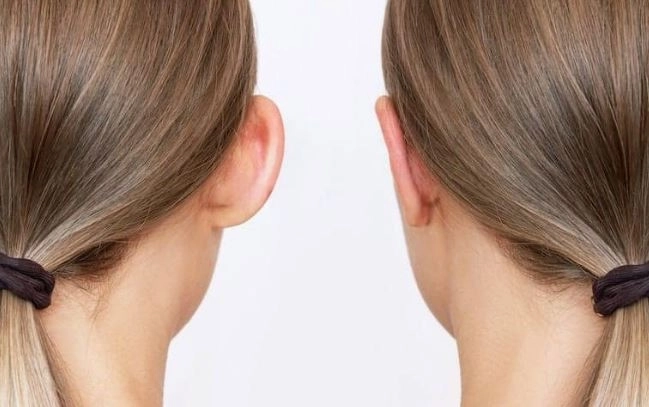
Dr. Mamdouh Salem explains that ear surgery, also known as otoplasty, is a cosmetic surgical procedure designed to improve the shape, size, position, and overall proportion of the ears in relation to the face, and it can be used to correct prominent ears or certain differences in the shape of the ear cartilage, helping achieve a more natural and balanced appearance.
Prominent Ear Correction
Dr. Mamdouh Salem emphasizes that prominent ears are one of the most common reasons for cosmetic ear surgery, as the procedure can reshape the ear cartilage and reduce the degree of prominence by repositioning the ears closer to the head, helping improve overall facial harmony and appearance.
Who May Need Ear Surgery?
Dr. Mamdouh Salem explains that ear surgery may be suitable for people who have prominent ears, differences in ear size or shape, asymmetry between the two ears, or certain cosmetic deformities, and it may also be considered after an injury or an unsatisfactory previous surgical result, with the suitability of surgery determined after a thorough medical examination.
How Is Ear Surgery Performed?
Dr. Mamdouh Salem warns that the surgical technique varies from one patient to another, but the procedure may involve making an incision behind the ear and then reshaping or folding the ear cartilage and securing it with surgical sutures, while excess cartilage or skin may be removed when necessary according to the patient's condition.
Benefits of Ear Surgery
Ear surgery can help improve the proportion of the ears to the face and head, reduce ear prominence, and correct certain cosmetic differences, while achieving a more balanced appearance may also contribute to greater self-confidence and reduce embarrassment related to the appearance of the ears.
The Appropriate Age for Ear Surgery
The appropriate age for ear surgery depends on the patient's age, ear development, and overall health, as the procedure can be performed in children once the ears have reached an appropriate stage of growth, as well as in teenagers and adults after a proper medical evaluation.
Preparing for Ear Surgery
Proper preparation for surgery requires a comprehensive medical examination to evaluate the shape of the ears and cartilage, determine the appropriate surgical technique, and discuss the expected results and possible risks, while patients should inform their surgeon about any medications, supplements, previous surgeries, or medical conditions.
Anesthesia During Ear Surgery
The type of anesthesia used depends on the patient's age, overall health, surgical technique, and nature of the procedure, as local anesthesia with sedation may be suitable for some patients, while general anesthesia may be considered for certain children, with the final decision made according to the individual case.
Recovery After Ear Surgery
Postoperative recovery requires following the surgeon's instructions carefully and protecting the ears from pressure, friction, and injury, while dressings or a protective headband may be used during the initial recovery period, and sleeping directly on the ears or participating in activities that could affect the surgical result should be avoided.
When Do the Results of Ear Surgery Appear?
The appearance of the ears usually begins to improve after the dressings are removed, although swelling, bruising, and other effects of surgery may take some time to gradually disappear, and the recovery period varies from one patient to another depending on the surgical technique and the body's healing response.
Is Ear Surgery Safe?
Dr. Mamdouh Salem explains that cosmetic ear surgery is commonly performed, but like any surgical procedure, it may involve potential complications such as bleeding, infection, swelling, changes in sensation, scarring, and asymmetry, which is why a proper medical evaluation and a detailed discussion of potential risks are important before surgery.
Important Tips After Ear Surgery
Following the surgeon's postoperative instructions is essential for protecting the surgical area and dressings, avoiding pressure or friction on the ears, taking prescribed medications as directed, attending follow-up appointments, and avoiding sports or activities that may expose the ears to injury until the surgeon gives approval.
Why Should You Choose a Specialized Surgeon?
Choosing a qualified and experienced surgeon is important because experience in ear surgery and cosmetic ear procedures can help with evaluating the cartilage, determining the appropriate amount of correction, and maintaining balance between both ears to achieve a natural and aesthetically pleasing result.
The Goal of Ear Surgery
The main goal of otoplasty is not to make both ears perfectly identical, but rather to achieve a natural and balanced appearance that complements the patient's facial features and head size, which is why the treatment plan should be customized according to each patient's ear structure and individual needs.
Conclusion
Dr. Mamdouh Salem confirms that ear surgery can be an effective cosmetic option for people who want to improve the appearance of prominent ears or certain differences in ear size, shape, or position, while the appropriate surgical technique should be determined after a specialized medical examination and a clear discussion of the patient's expectations, possible results, and postoperative care.