

Published on: 2026-08-18 | Written by: Dr Alia Sami Handawy Internal Medicine
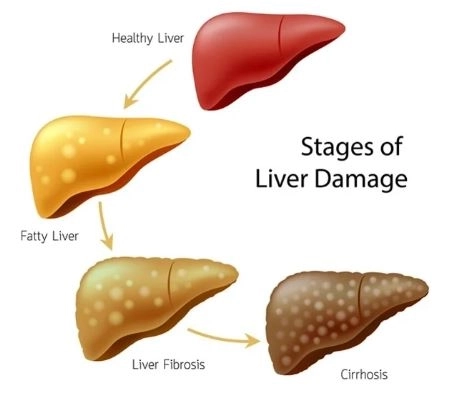
Dr. Alia Samy Hendawy emphasizes that liver diseases are health conditions that require careful medical attention because the liver performs many essential functions in the body, including processing and distributing nutrients, while liver diseases can have different causes, such as viral infections, fatty liver disease, certain medications, autoimmune disorders, bile duct diseases, and genetic conditions, and some chronic liver conditions may progress to cirrhosis or liver failure if they are not diagnosed and managed appropriately.
What Are Liver Diseases?
Dr. Alia Samy Hendawy explains that liver diseases include a wide range of conditions affecting liver cells, bile ducts, or the liver’s ability to perform its normal functions, with symptoms and severity varying from one condition to another, as some liver diseases may remain silent and cause few noticeable symptoms during their early stages, while more obvious symptoms may develop as liver damage progresses.
The Importance of the Liver in the Human Body
Dr. Alia Samy Hendawy points out that the liver is a vital organ involved in numerous important processes throughout the body, which is why maintaining liver health involves more than preventing a single disease and includes addressing risk factors early, maintaining a healthy diet and physical activity, avoiding unnecessary medications or supplements, and consulting a physician when symptoms or abnormal laboratory results occur.
Viral Hepatitis
Dr. Alia Samy Hendawy emphasizes that viral hepatitis is one of the most common causes of liver disease and includes several types, such as hepatitis A, B, C, D, and E, with each virus differing in its method of transmission and clinical course, as some forms may cause an acute and temporary infection while others can become chronic and gradually lead to liver damage and serious complications.
Hepatitis B and C
Dr. Alia Samy Hendawy explains that hepatitis B and C can become chronic infections in some individuals, and prolonged inflammation may eventually lead to liver fibrosis or cirrhosis and increase the risk of complications, making accurate diagnosis, assessment of viral activity, evaluation of liver health, and appropriate medical follow-up essential.
Fatty Liver Disease
Dr. Alia Samy Hendawy points out that fatty liver disease occurs when excess fat accumulates in the liver and may be associated with overweight or obesity, insulin resistance, type 2 diabetes, abnormal cholesterol or triglyceride levels, and other metabolic conditions, while some cases may remain relatively mild whereas others can progress to inflammation and fibrosis, making medical evaluation important even when symptoms are absent.
Symptoms of Fatty Liver Disease
Dr. Alia Samy Hendawy emphasizes that fatty liver disease may remain silent in many patients, with no obvious symptoms despite changes occurring within the liver, while some individuals may experience fatigue or discomfort in the upper-right area of the abdomen, and the condition may therefore be discovered incidentally during liver-function blood tests or abdominal imaging.
Autoimmune Hepatitis
Dr. Alia Samy Hendawy explains that autoimmune hepatitis occurs when the immune system attacks healthy liver cells, potentially causing ongoing inflammation and progressive liver damage if not properly treated, which makes accurate medical assessment and specialized testing important for identifying the condition and distinguishing it from other liver diseases before selecting treatment aimed at controlling immune-system activity.
Liver Cirrhosis
Dr. Alia Samy Hendawy emphasizes that liver cirrhosis represents an advanced stage of chronic liver damage in which scar tissue replaces healthy liver tissue and gradually interferes with normal liver function, and it may result from several causes, including chronic fatty liver disease, viral hepatitis, alcohol-related liver disease, and other chronic liver conditions, making treatment of the underlying cause essential for slowing disease progression whenever possible.
Symptoms of Liver Cirrhosis
Dr. Alia Samy Hendawy points out that liver cirrhosis may not cause noticeable symptoms during its early stages, while advanced disease may lead to fatigue, loss of appetite or weight, itching, nausea, easy bruising or bleeding, swelling of the legs, fluid accumulation in the abdomen, yellowing of the skin and eyes, and changes in concentration or consciousness in severe cases.
Ascites and Fluid Accumulation in the Abdomen
Dr. Alia Samy Hendawy explains that ascites is a complication that can occur in advanced cirrhosis due to changes in blood circulation through the liver and increased pressure in the portal vein, and fluid accumulation in the abdomen may cause abdominal swelling, heaviness, difficulty moving, or breathing discomfort in some cases, making medical assessment important to determine the severity and appropriate management.
Esophageal Varices and Liver Disease
Dr. Alia Samy Hendawy points out that esophageal varices may develop as a result of increased portal pressure in some patients with cirrhosis and can become dangerous if bleeding occurs, making appropriate monitoring and assessment of complications important, particularly if symptoms such as vomiting blood or black, tarry stools develop, as these signs require urgent medical attention.
Jaundice and Its Relationship to Liver Disease
Dr. Alia Samy Hendawy explains that jaundice, or yellowing of the skin and whites of the eyes, can be associated with liver or bile-duct disorders but does not indicate one specific disease, making evaluation necessary to determine the underlying cause, particularly when jaundice is accompanied by dark urine, abdominal pain, or fever.
How Are Liver Diseases Diagnosed?
Dr. Alia Samy Hendawy emphasizes that diagnosing liver disease generally begins with reviewing the patient’s medical history, symptoms, medications, and risk factors, followed by appropriate blood tests, liver-function tests, viral hepatitis testing, and autoimmune testing when indicated, as well as ultrasound, CT scans, MRI, or liver-stiffness measurements depending on the suspected condition, while a liver biopsy may be considered in selected cases when additional information is needed.
Liver Function Tests
Dr. Alia Samy Hendawy explains that liver function tests help physicians identify signs of liver injury or impaired liver function and may include measurements such as ALT, AST, alkaline phosphatase, bilirubin, albumin, and other markers, although the interpretation of these results should not rely on a single number and must be considered alongside symptoms, physical examination, imaging, and other medical information.
The Role of Imaging in Diagnosing Liver Disease
Dr. Alia Samy Hendawy points out that liver imaging helps evaluate the size, shape, and structure of the liver and can identify fatty changes and certain structural abnormalities, with ultrasound, CT scans, and MRI being used according to the clinical situation, while liver-stiffness tests may also help assess the presence and severity of fibrosis and monitor changes over time.
Treatment of Liver Diseases
Dr. Alia Samy Hendawy emphasizes that treatment for liver disease cannot be based on one universal approach because management depends on the underlying cause, disease stage, and overall liver condition, as patients with viral hepatitis may require antiviral medications, individuals with fatty liver disease may benefit from lifestyle changes and gradual weight reduction when appropriate, autoimmune hepatitis may require medications that suppress excessive immune activity, while cirrhosis requires treatment of its underlying cause, management of complications, and regular medical monitoring.
Treatment of Fatty Liver Disease
Dr. Alia Samy Hendawy explains that managing fatty liver disease is strongly associated with improving lifestyle habits, particularly among people who are overweight or obese, as gradual weight loss, regular physical activity, and a healthy diet may help reduce liver fat, inflammation, and fibrosis in some patients, while rapid weight loss and poor nutrition should be avoided, and supplements or herbal products should not be used to treat liver disease without medical advice because some products can cause liver injury.
Treatment of Viral Hepatitis
Dr. Alia Samy Hendawy points out that treatment for viral hepatitis varies according to the specific virus, as chronic hepatitis C can often be cured using direct-acting antiviral medications, while chronic hepatitis B may require medications that suppress viral activity and reduce ongoing liver damage, making identification of the virus, assessment of its activity, and evaluation of liver health essential before choosing the appropriate treatment.
Can Liver Diseases Be Prevented?
Dr. Alia Samy Hendawy explains that preventing liver disease involves several healthy habits, including maintaining a healthy weight, engaging in regular physical activity, eating a balanced diet, avoiding unnecessary medications and supplements, following appropriate measures to reduce the risk of viral infections, and undergoing medical evaluation when risk factors are present, as prevention and early detection can help reduce the likelihood of some chronic liver diseases progressing.
The Importance of Regular Liver Follow-Up
Dr. Alia Samy Hendawy emphasizes that regular medical follow-up is particularly important for people with chronic hepatitis, advanced fatty liver disease, cirrhosis, or other liver-related risk factors, because monitoring allows physicians to evaluate liver function, assess disease progression, identify complications early, and adjust treatment or testing according to changes over time.
When Do Liver Diseases Require Urgent Medical Attention?
Dr. Alia Samy Hendawy points out that gastrointestinal bleeding, vomiting blood, sudden or severe jaundice, confusion or altered consciousness, significant abdominal swelling, or severe persistent abdominal pain require urgent medical evaluation, particularly in people with known cirrhosis or advanced liver disease, because some of these symptoms may indicate serious complications requiring immediate treatment.
The Importance of Early Detection of Liver Disease
Dr. Alia Samy Hendawy explains that early detection of liver disease can play an important role in preserving liver function and reducing the likelihood of progression to advanced stages, particularly because conditions such as fatty liver disease and early cirrhosis may cause few noticeable symptoms, making assessment of people with risk factors or abnormal laboratory findings important for identifying disease before serious complications develop.
Dr. Alia Samy Hendawy emphasizes that liver diseases are not a single condition but rather a diverse group of disorders with different causes, treatment approaches, and levels of severity, making accurate diagnosis, appropriate testing, and regular follow-up essential for maintaining liver health, while conditions such as fatty liver disease, viral hepatitis, cirrhosis, and autoimmune liver disorders should not be ignored, because early diagnosis and treatment of the underlying cause may help protect liver function and reduce the risk of serious complications.