
Published on: 2026-08-18 | Written by: Dr. Ayman Abdel Hamid, of Oncology and Endoscopic
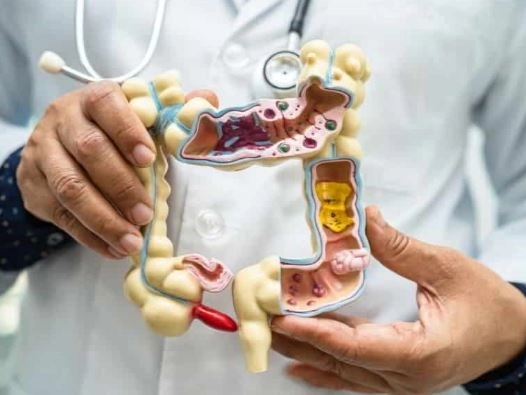
Dr. Ayman Abdel Hamid emphasizes that gastrointestinal cancer surgery represents a fundamental part of treating many tumors affecting the esophagus, stomach, small intestine, colon, and rectum, as well as certain tumors involving the liver, pancreas, and gallbladder, and that the appropriate surgical approach depends on the type, location, size, stage, extent of spread, and overall health of the patient, as surgery may aim to completely remove the tumor when possible or relieve symptoms and complications in advanced cases.
What Are Gastrointestinal Tumors?
Dr. Ayman Abdel Hamid explains that gastrointestinal tumors represent a broad group of tumors that can develop in different parts of the digestive system, including the esophagus, stomach, small intestine, colon, and rectum, in addition to tumors affecting digestive organs such as the liver, pancreas, and gallbladder, with each tumor differing in its biological characteristics, severity, and treatment approach according to its location, cell type, and stage.
The Importance of Early Diagnosis
Dr. Ayman Abdel Hamid points out that early detection of gastrointestinal cancers can expand available treatment options, because identifying a tumor before it advances or spreads may make surgical removal possible in selected cases, while more advanced tumors require comprehensive assessment to determine whether they are resectable and whether chemotherapy, radiation therapy, or other medical treatments are needed before or after surgery.
Gastrointestinal Tumors That May Require Surgery
Dr. Ayman Abdel Hamid emphasizes that gastrointestinal cancer surgery may play a role in treating several conditions, including stomach cancer, colorectal cancer, certain small intestinal tumors, selected esophageal cancers, and some pancreatic, liver, and gallbladder tumors, with the type and extent of surgery varying from one case to another according to tumor characteristics, imaging results, and whether the disease can be safely removed.
Stomach Cancer Surgery
Dr. Ayman Abdel Hamid explains that stomach cancer surgery may involve removing part of the stomach or the entire stomach depending on the tumor’s location and extent, along with removal of nearby lymph nodes when appropriate, while surgery may be combined with chemotherapy, radiation therapy, or other medical treatments depending on the stage and treatment plan, with the goal in resectable cases being to remove the tumor while preserving as much healthy tissue as safely possible.
Colon Cancer Surgery
Dr. Ayman Abdel Hamid emphasizes that colon cancer surgery generally involves removing the affected portion of the colon along with surrounding tissue and regional lymph nodes, followed by reconnecting the remaining sections of the intestine when it is safe and appropriate, while some patients may require a temporary or permanent stoma depending on the tumor location, surgical circumstances, and overall condition, and selected very early tumors or certain polyps may sometimes be removed through endoscopy without traditional surgery.
Rectal Cancer Surgery
Dr. Ayman Abdel Hamid points out that rectal tumors require careful assessment of the tumor’s location, stage, and relationship to surrounding tissues and organs before determining the surgical approach, as treatment may involve removing the affected portion of the rectum and reconnecting the intestine in selected cases, while more advanced tumors may require more extensive procedures, and additional treatments may be administered before surgery to reduce tumor size and improve disease control.
Small Intestinal Tumor Surgery
Dr. Ayman Abdel Hamid explains that small intestinal cancer may require removal of the affected section of the intestine along with nearby lymph nodes, followed by reconnecting the intestinal ends when appropriate, while bypass surgery may sometimes be considered when an unresectable tumor causes intestinal obstruction, with the treatment plan depending on the tumor type and extent of spread.
Pancreatic Cancer Surgery
Dr. Ayman Abdel Hamid emphasizes that pancreatic cancer surgery is among the more complex surgical procedures and requires careful assessment before making a surgical decision, as surgery may aim to completely remove the tumor when investigations indicate that this is possible, while surgical procedures may also be used to relieve symptoms or prevent complications such as blockage of the bile ducts or intestines when complete tumor removal is not possible, with surgical eligibility depending on the tumor’s relationship to major blood vessels, nearby organs, and the extent of disease.
The Whipple Procedure
Dr. Ayman Abdel Hamid explains that the Whipple procedure is primarily used for certain pancreatic tumors and may also be performed for selected tumors of the duodenum, and it is a major operation that may involve removing part of the pancreas, duodenum, part of the stomach, gallbladder, part of the bile duct, and nearby lymph nodes, followed by reconstruction to allow food and digestive fluids to continue passing normally, making this procedure dependent on experienced surgical teams and appropriate medical facilities.
Liver Tumor Surgery
Dr. Ayman Abdel Hamid emphasizes that surgical removal of liver tumors may be an option for selected patients when the tumor can be removed while leaving enough functioning liver tissue, and the operation may involve removing the portion of the liver containing the tumor, while eligibility depends on the number, size, and location of tumors, liver function, and whether the disease has spread elsewhere.
Laparoscopic Surgery for Gastrointestinal Tumors
Dr. Ayman Abdel Hamid points out that laparoscopic surgery may be an option for certain gastrointestinal tumors when the tumor characteristics and the patient’s condition allow it, using small incisions through which a camera and specialized instruments are inserted, potentially providing smaller wounds and faster recovery compared with some open procedures, although the choice of laparoscopy should be based on the surgeon’s assessment, tumor location, size, and stage rather than patient preference alone.
Do All Gastrointestinal Tumors Require Surgery?
Dr. Ayman Abdel Hamid explains that not all gastrointestinal tumors require surgery, as some very small and localized tumors may be suitable for endoscopic removal in selected cases, while other tumors require surgery as a major component of treatment, and in some advanced cases complete tumor removal may not be possible, making the goal of intervention focused on relieving symptoms or preventing complications, with treatment decisions based on tumor stage, resectability, and the patient’s overall condition.
Endoscopic Removal of Early Tumors
Dr. Ayman Abdel Hamid points out that some very early gastrointestinal tumors may be suitable for removal using endoscopic techniques instead of open or laparoscopic surgery, particularly when the tumor is small, localized to superficial tissue layers, and considered to have a low risk of lymph-node spread, while the decision depends on detailed assessment of tumor characteristics and diagnostic findings.
The Importance of Tumor Staging Before Surgery
Dr. Ayman Abdel Hamid emphasizes that tumor staging is an essential step before planning surgery, because determining the size of the tumor, its involvement of surrounding tissues, lymph-node status, and the presence or absence of distant spread helps the medical team determine whether the tumor is resectable, how extensive the surgery should be, and whether treatment is needed before or after the operation.
Treatment Before Cancer Surgery
Dr. Ayman Abdel Hamid explains that some patients with gastrointestinal cancers may require treatment before surgery, such as chemotherapy, radiation therapy, or other systemic treatments depending on the type and stage of the tumor, with the goal in certain cases of reducing tumor size, controlling cancer cells, or improving the likelihood of achieving an appropriate surgical resection, while not every patient requires treatment before surgery.
Treatment After Gastrointestinal Cancer Surgery
Dr. Ayman Abdel Hamid emphasizes that postoperative cancer treatment may be part of the treatment plan for some patients to reduce the risk of recurrence or address microscopic cancer cells that cannot be detected through imaging, and may include chemotherapy, radiation therapy, or targeted and other systemic treatments according to tumor type, final pathology results, and disease stage, meaning that treatment does not necessarily end when surgery is completed.
Curative and Palliative Surgery
Dr. Ayman Abdel Hamid explains that cancer surgery may have a curative goal when complete tumor removal is possible, while in some advanced cases surgery may have a palliative purpose aimed at relieving symptoms such as bleeding, obstruction, or pain, or improving the patient’s ability to eat, meaning that the surgical approach depends not only on the presence of a tumor but also on the realistic treatment objective and extent of disease.
Preparation Before Gastrointestinal Cancer Surgery
Dr. Ayman Abdel Hamid points out that preoperative preparation includes reviewing the patient’s medical history, medications, nutritional status, organ function, and required laboratory and imaging studies, in addition to assessing the patient’s ability to tolerate anesthesia and surgery, while some patients may benefit from nutritional optimization or better control of chronic medical conditions before surgery because overall health can influence recovery and treatment outcomes.
The Importance of Pathological Examination After Tumor Removal
Dr. Ayman Abdel Hamid explains that sending the removed tumor specimen for pathological examination is an essential step after surgery, as microscopic analysis helps determine the tumor type, its characteristics, involvement of surrounding tissues, and lymph-node status, and these findings contribute to establishing the final stage and determining whether additional treatment or follow-up is required.
Follow-Up After Gastrointestinal Cancer Surgery
Dr. Ayman Abdel Hamid emphasizes that regular follow-up after cancer surgery is an important part of treatment, as patients may require periodic examinations, laboratory tests, imaging studies, or endoscopic evaluations according to the type and stage of the tumor and the treatments received, while follow-up also helps assess recovery and identify changes that may require early medical intervention.
Choosing a Gastrointestinal Cancer Surgeon
Dr. Ayman Abdel Hamid emphasizes that choosing a surgeon specializing in gastrointestinal cancers should take into account experience with the specific tumor type and required procedure, as well as the ability of the medical team to assess the patient before surgery, manage complex surgical details during the operation, and provide appropriate postoperative care, particularly because procedures involving the pancreas and duodenum can be highly complex and require specialized expertise and facilities.
Dr. Ayman Abdel Hamid points out that gastrointestinal cancer surgery has become an important component of modern cancer treatment, but successful outcomes depend not only on surgery itself but also on accurate diagnosis, proper tumor staging, careful patient selection, appropriate surgical planning, and determining the required extent of resection, along with chemotherapy, radiation therapy, or other systemic treatments when necessary and regular postoperative follow-up, making comprehensive evaluation by a specialized medical team the most important step toward developing the most appropriate treatment plan for each patient.