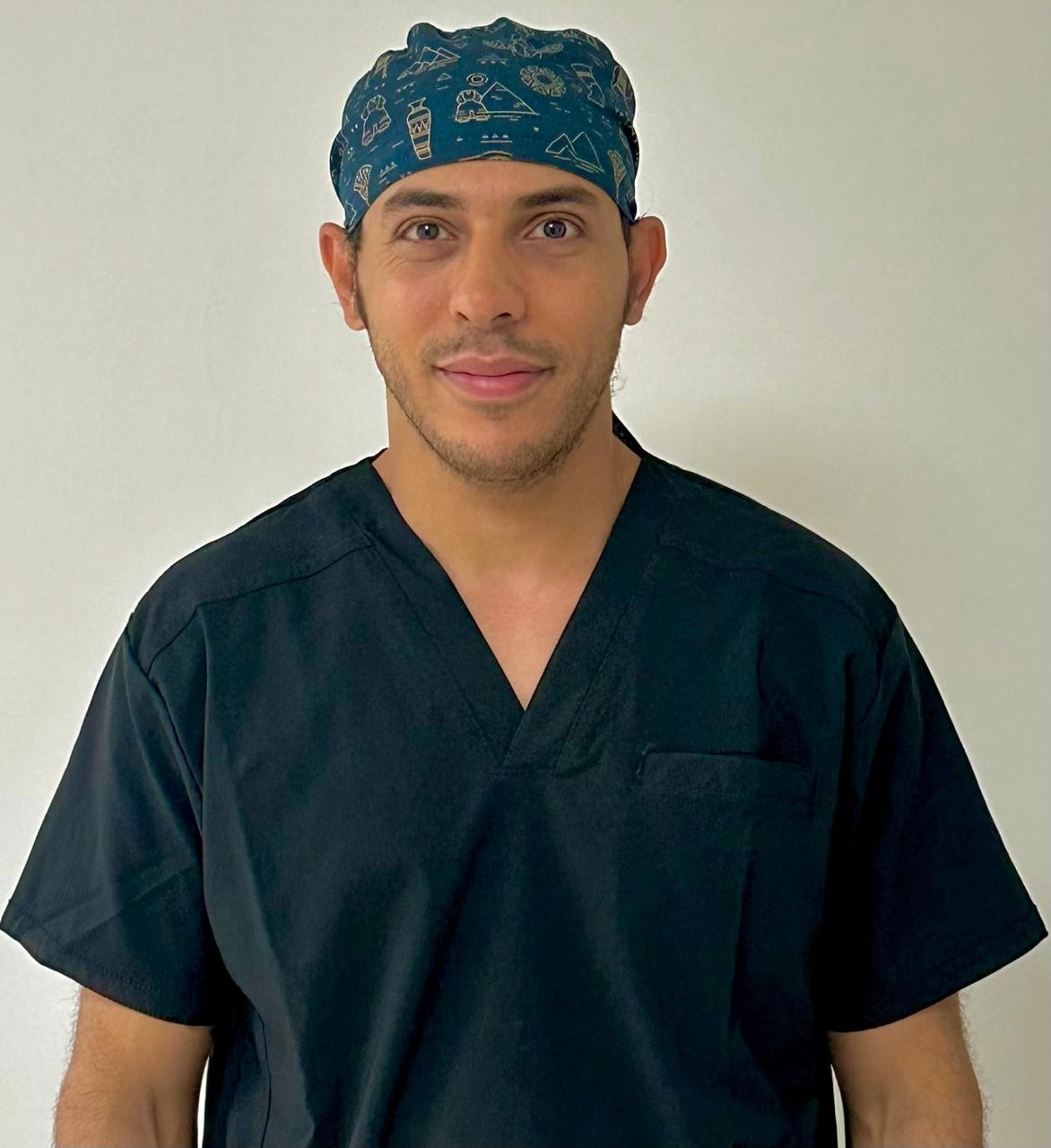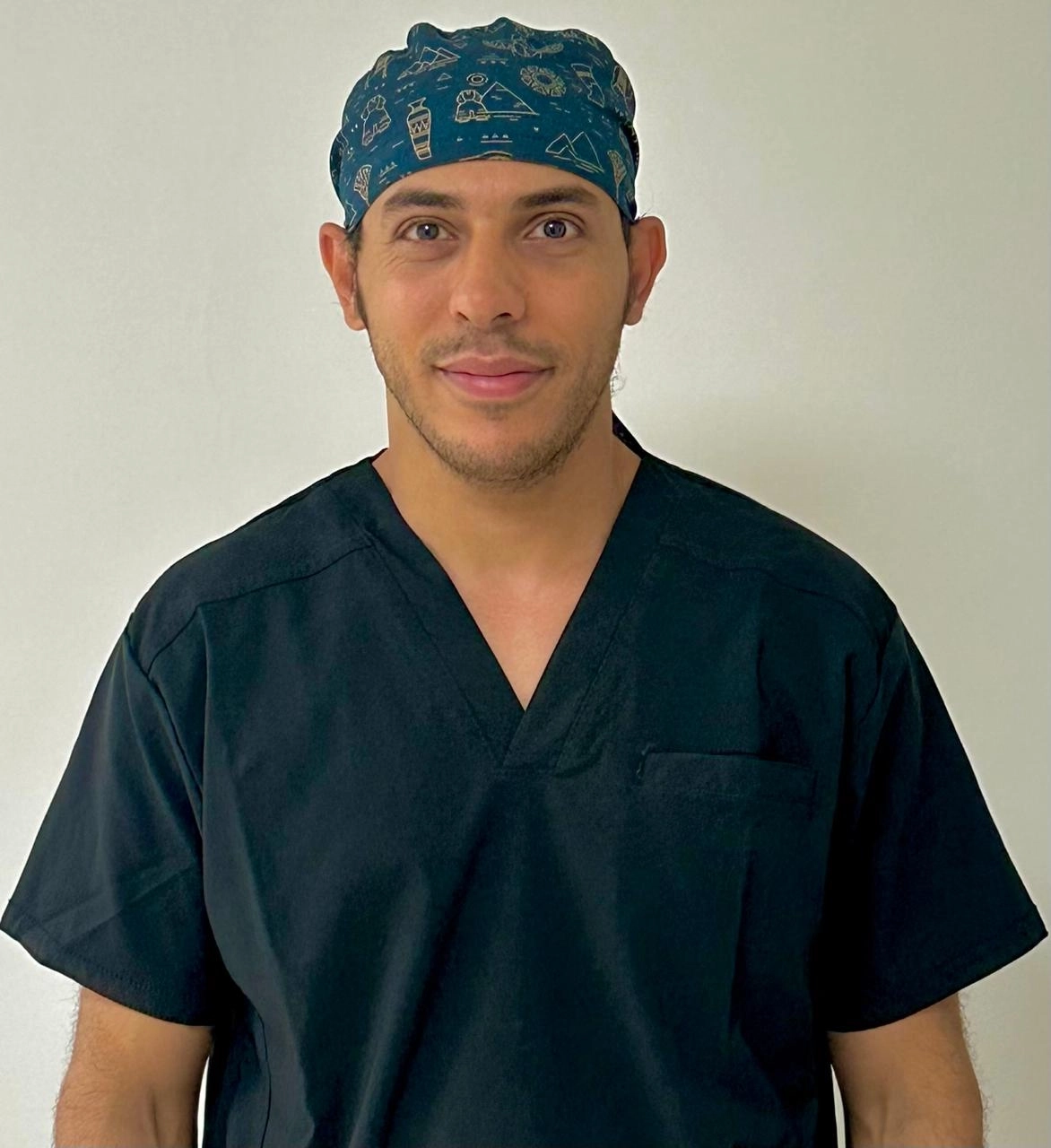

Published on: 2026-08-16 | Written by: Dr Osama Ghatas expert in male medicine and surgery

Dr. Osama Ghattas explains that pediatric urological surgery includes a range of specialized procedures designed to treat certain congenital abnormalities and conditions affecting the kidneys, ureters, bladder, urethra, and genital system, with the choice of surgical intervention depending on the child's age, the nature and severity of the condition, and its effect on urinary system function.
When Does a Child Need Urological Surgery?
Dr. Osama Ghattas emphasizes that surgery is not necessary for every child with a urinary tract condition, but may be recommended when medical examinations and evaluation indicate that surgical correction is needed or when the condition affects urination, urinary system function, or causes recurrent complications.
Congenital Urinary Tract Abnormalities in Children
Dr. Osama Ghattas confirms that some children are born with congenital abnormalities affecting the urinary system, including certain abnormalities of the kidneys, ureters, bladder, or urethra, and these conditions may require close monitoring or specialized surgery depending on the type and severity of the abnormality and its impact on urinary system development and function.
Surgery for Urethral Stricture in Children
Dr. Osama Ghattas warns that urethral stricture may cause weak urine flow, difficulty urinating, or recurrent urinary tract infections, making specialized evaluation important to determine the location and severity of the narrowing and select the appropriate treatment, which may involve an endoscopic procedure or surgery depending on the child's condition.
Treatment of Vesicoureteral Reflux in Children
Dr. Osama Ghattas explains that vesicoureteral reflux, in which urine flows backward from the bladder toward the ureters, may increase the risk of recurrent urinary tract infections and potentially affect the kidneys in some cases, making treatment dependent on the severity of reflux, the child's age, symptoms, and test results, with some cases requiring surgery or a specialized procedure.
Surgery for Urinary Tract Obstruction
Dr. Osama Ghattas emphasizes that certain cases of urinary tract obstruction in children require specialized or timely intervention to reduce the potential impact of the obstruction on the bladder and kidneys, while the appropriate treatment method is determined according to the location and severity of the obstruction, the child's condition, and imaging and examination results.
Surgery for Undescended Testicles
Dr. Osama Ghattas confirms that an undescended testicle requires early medical evaluation, and some cases may be treated surgically by placing and securing the testicle in the appropriate position when this is considered medically suitable, followed by proper postoperative monitoring according to the physician's instructions.
Hypospadias Surgery
Dr. Osama Ghattas warns that hypospadias is a congenital condition in which the opening of the urethra is located in an abnormal position, and some cases may require surgical correction to improve urinary function and correct the appearance of the penis, with the timing and type of surgery varying according to the severity of the condition and the pediatric urologist's assessment.
Ureter and Kidney Surgery in Children
Dr. Osama Ghattas explains that certain kidney and ureter conditions in children may require surgery when they cause obstruction, interfere with urine drainage, or are associated with congenital abnormalities, with treatment aiming to preserve urinary system function and reduce the risk of complications according to the child's individual condition.
Evaluation Before Pediatric Urological Surgery
Dr. Osama Ghattas emphasizes the importance of accurate diagnosis before deciding on surgery, as the child may require a physical examination, urine and blood tests, ultrasound, imaging studies, or specialized examinations determined by the physician according to the symptoms and underlying condition.
The Importance of Early Intervention in Pediatric Urological Conditions
Dr. Osama Ghattas confirms that identifying certain urinary tract conditions at an early stage can help assess their potential effect on kidney and bladder development and function, while allowing the physician to determine the appropriate timing for treatment and follow-up and reduce the risk of complications in cases requiring specialized intervention.
Recovery After Pediatric Urological Surgery
Dr. Osama Ghattas warns that recovery varies from one child to another depending on the type of surgery, the child's age, and overall health, making it important to follow the physician's instructions regarding medications, wound care, physical activity, medical follow-up, and monitoring for any unusual symptoms after surgery.
The Importance of Choosing a Pediatric Urological Surgery Specialist
Dr. Osama Ghattas explains that treating pediatric urinary tract conditions requires specialized experience because children's conditions differ from those of adults, while the appropriate timing of intervention, surgical technique, and follow-up plan depend on the child's age, growth, and specific medical condition.
When Should a Child See a Urologist?
Dr. Osama Ghattas emphasizes the importance of consulting a specialist when a child experiences symptoms such as difficulty urinating, weak urine flow, recurrent urinary tract infections, repeated pain, noticeable changes in urination, or when a congenital urinary tract abnormality is identified, as early evaluation can help determine the underlying cause and appropriate treatment.
Dar Al-Zokora Center and Pediatric Urological Surgery
Dr. Osama Ghattas confirms that Dar Al-Zokora Center provides specialized services in pediatric urological surgery and treatment of congenital abnormalities, in addition to andrology and general urological services, with each case evaluated individually and a treatment plan developed according to the child's medical needs and diagnosis.
Conclusion
Dr. Osama Ghattas warns that pediatric urological surgery requires accurate diagnosis and specialized assessment before deciding on surgical intervention, as some conditions can be monitored or treated without surgery while others may require surgery to preserve urinary system function, correct congenital abnormalities, and reduce the risk of potential complications.