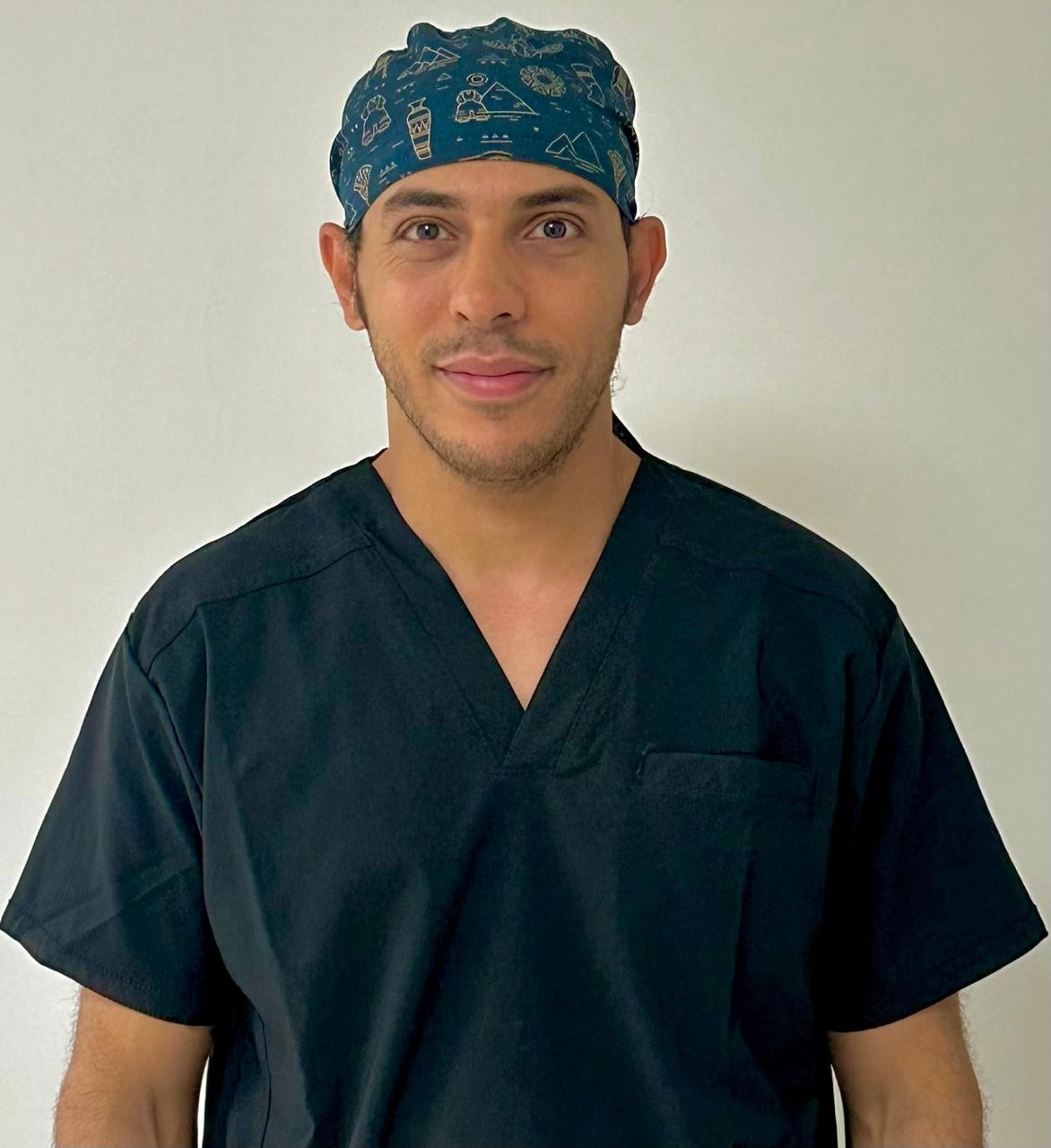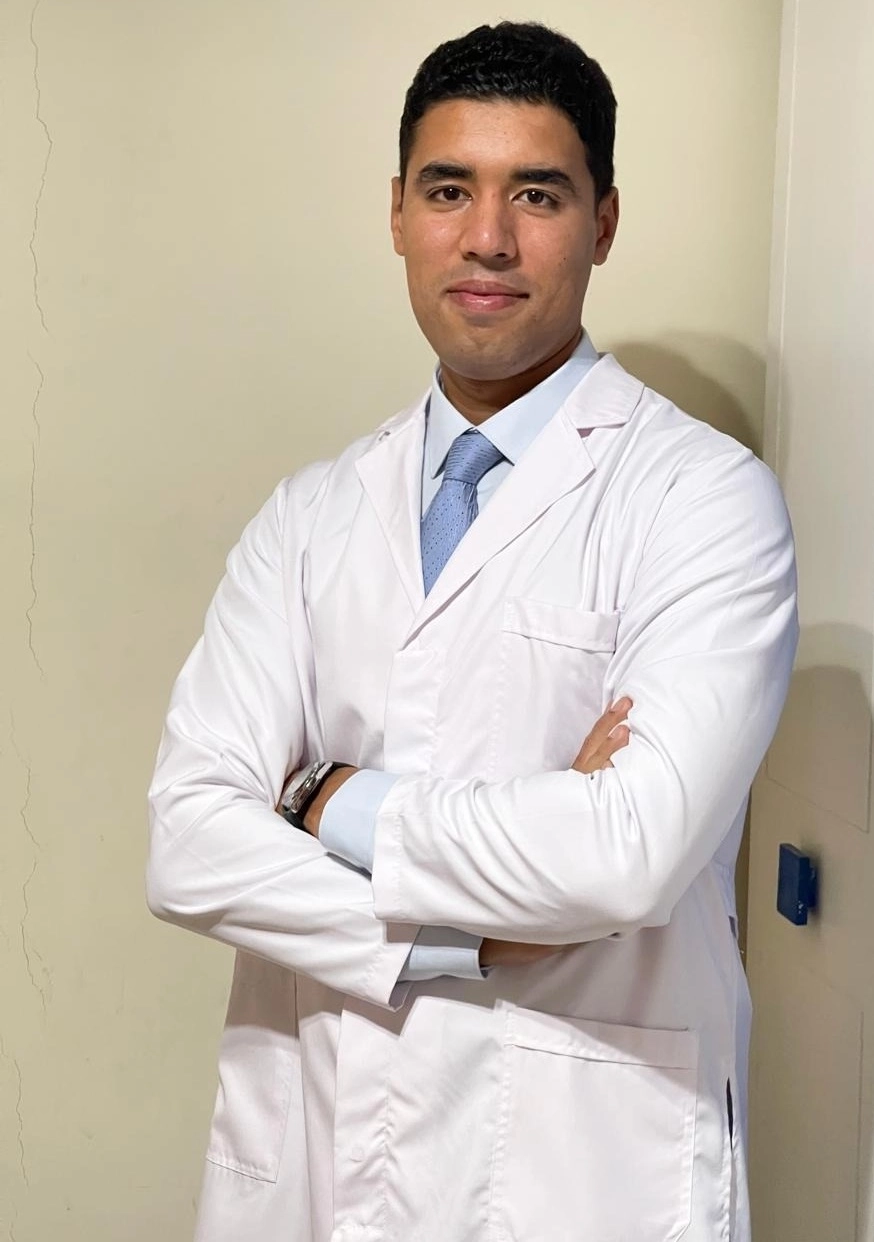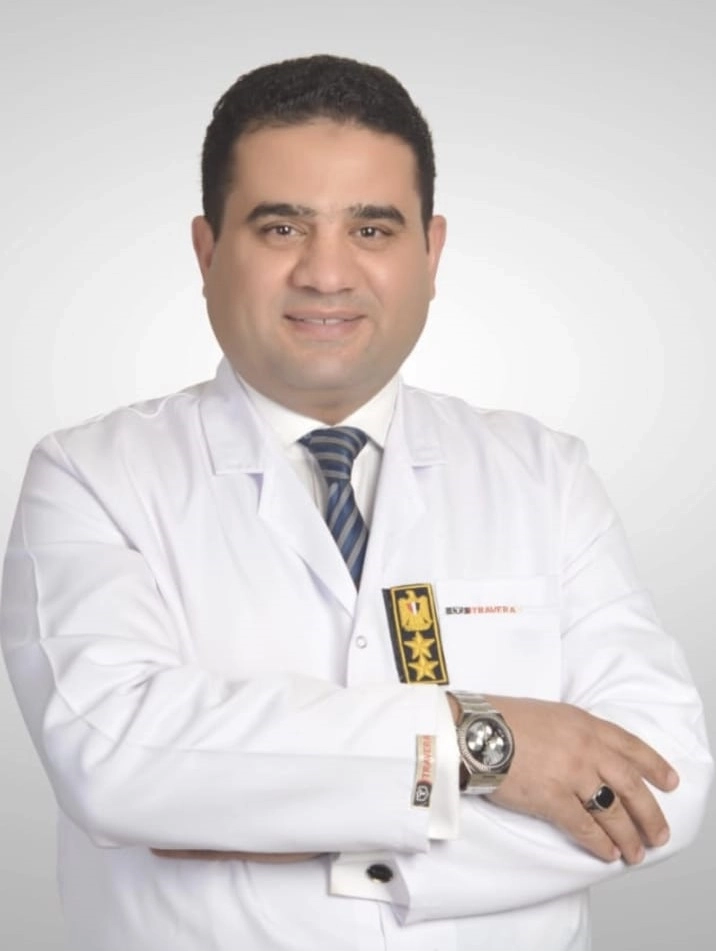

Published on: 2026-08-16 | Written by: Dr Osama Ghatas expert in male medicine and surgery

Dr. Osama Ghattas explains that urological treatment and surgery cover a wide range of medical services aimed at diagnosing and treating conditions affecting the kidneys, ureters, bladder, urethra, and urinary system in both men and women, with treatment options ranging from observation and medications to medical procedures and surgery when necessary.
Common Urological Conditions
Dr. Osama Ghattas emphasizes that urological conditions are diverse and may include urinary tract infections, kidney and ureteral stones, bladder problems, urinary disorders, enlarged prostate, and certain cases of urethral stricture, making proper medical evaluation essential before selecting the appropriate treatment.
Urinary Tract Infections
Dr. Osama Ghattas confirms that urinary tract infections may cause symptoms such as burning during urination, frequent urination, lower abdominal pain, or changes in urine odor, and some cases may require urine analysis and appropriate testing to identify the cause of the infection and determine the most suitable treatment under medical supervision.
Treatment of Kidney and Ureteral Stones
Dr. Osama Ghattas warns that treatment for kidney and ureteral stones depends on the size and location of the stone, associated symptoms, and the patient's overall health, with options that may include observation, medication, shockwave stone fragmentation, or endoscopic and surgical procedures when the stone is large, causes obstruction, or results in recurrent pain.
Urological Endoscopy
Dr. Osama Ghattas explains that urological endoscopy is a medical technique used to diagnose and treat certain urinary tract conditions, allowing the physician to reach specific areas of the urinary system and manage problems such as stones or certain types of obstruction according to the patient's medical assessment.
Treatment of Enlarged Prostate
Dr. Osama Ghattas emphasizes that benign prostate enlargement may cause urinary symptoms such as weak urine flow, frequent urination, nighttime urination, and a feeling of incomplete bladder emptying, while treatment depends on the severity of symptoms and the patient's condition and may range from medications to minimally invasive procedures or surgery in certain cases.
Urethral Stricture
Dr. Osama Ghattas confirms that urethral stricture can affect urine flow and cause difficulty urinating or a weak urinary stream, requiring specialized evaluation to determine the location and severity of the narrowing and select the appropriate treatment, which may include endoscopic procedures or surgical intervention in some cases.
Bladder Problems and Urinary Disorders
Dr. Osama Ghattas warns that urinary disorders may be related to problems affecting the bladder, prostate, nervous system, or certain chronic diseases, making repeated symptoms such as urinary urgency, difficulty urinating, or loss of bladder control a reason to consult a specialist for accurate diagnosis.
When Is Urological Surgery Necessary?
Dr. Osama Ghattas explains that urological surgery may be recommended when a condition requires intervention that cannot be adequately managed with conservative treatment, including certain large stones, obstructions, strictures, or conditions requiring surgical repair, while the appropriate procedure is determined according to the diagnosis.
Minimally Invasive Urological Surgery
Dr. Osama Ghattas emphasizes that some urological surgeries can be performed using minimally invasive endoscopic techniques that allow the surgeon to reach the affected area through small surgical openings compared with some traditional procedures, while the choice of technique depends on the nature and location of the condition and the patient's overall health.
Tests Required Before Urological Treatment
Dr. Osama Ghattas confirms that the required tests vary according to the patient's symptoms and suspected diagnosis and may include urine and blood tests, imaging studies, ultrasound, or other examinations considered necessary by the physician to reach an accurate diagnosis and develop an appropriate treatment plan.
The Importance of Early Diagnosis of Urological Conditions
Dr. Osama Ghattas warns that ignoring urinary symptoms for an extended period may allow some conditions to persist or progress, making it important not to overlook recurring symptoms such as painful urination, blood in the urine, difficulty urinating, or pain around the kidneys and to seek medical evaluation when they occur.
Pediatric Urological Treatment and Surgery
Dr. Osama Ghattas explains that some urinary tract conditions in children may be related to congenital abnormalities or developmental problems affecting the urinary system, and these cases may require evaluation by a specialist experienced in pediatric urological surgery to determine whether observation, medical treatment, or surgical intervention is needed.
Follow-Up After Urological Surgery
Dr. Osama Ghattas emphasizes the importance of following medical instructions after urological surgery and monitoring the wound, medications, fluid intake, and physical activity according to the patient's condition, while consulting the physician if unusual symptoms such as fever, severe pain, difficulty urinating, or significant bleeding occur.
When Should You Visit a Urologist?
Dr. Osama Ghattas warns that patients should consult a urology specialist when they experience persistent or recurring urinary symptoms such as burning during urination, blood in the urine, weak urine flow, kidney-area pain, or frequent urination, because early diagnosis can help identify the underlying cause and determine the appropriate treatment.
Dar Al-Zokora Center and Urological Services
Dr. Osama Ghattas confirms that Dar Al-Zokora Center provides specialized services for urological treatment and surgery in addition to andrology and male reproductive health services, with an emphasis on evaluating each condition and developing an appropriate treatment plan based on the nature of the problem and the patient's individual needs.
Conclusion
Dr. Osama Ghattas explains that urological treatment and surgery depend on accurate diagnosis and identifying the cause and severity of the condition, with treatment potentially including medications, medical procedures, endoscopic techniques, or surgery when necessary, making consultation with a specialized physician important for selecting the appropriate treatment approach and ensuring proper follow-up.