
Published on: 2026-08-13 | Written by: Dr. Hajar Sayed Abdel Wahab, Dermatology
What Is Skin Hyperpigmentation?
Dr. Hager Sayed Abdel Wahab explains that skin hyperpigmentation is a change in the color of certain areas of the skin caused by increased melanin production or uneven distribution of melanin, and it may appear as brown or dark patches on the face, hands, or other areas of the body, with common causes including repeated sun exposure, acne and inflammation, hormonal changes, certain medications, and genetic factors, which is why treatment should begin by identifying the underlying cause.
Causes of Skin Hyperpigmentation
Dr. Hager Sayed Abdel Wahab emphasizes that the causes of skin hyperpigmentation are varied and may include prolonged exposure to sunlight without adequate protection, acne and inflammatory skin conditions that leave dark marks, or hormonal changes that may contribute to melasma, while unsuitable skincare products and improper skincare habits can also worsen pigmentation, making treatment dependent on the specific cause.
The Importance of Sunscreen in Treating Hyperpigmentation
Dr. Hager Sayed Abdel Wahab confirms that using sunscreen is an essential step in treating hyperpigmentation and maintaining treatment results, because ultraviolet radiation can stimulate melanin production and increase the appearance of dark spots, making it important to use an appropriate broad-spectrum sunscreen and reapply it according to usage instructions, especially with regular sun exposure.
Treatment of Melasma and Facial Hyperpigmentation
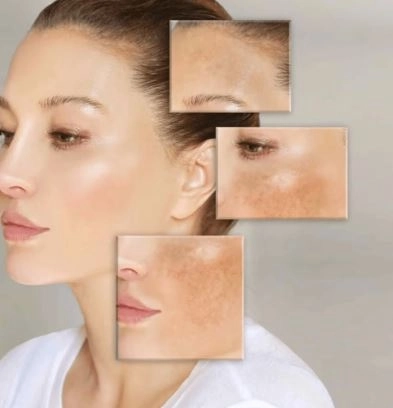
Dr. Hager Sayed Abdel Wahab warns that melasma is one of the most common types of hyperpigmentation and may appear as brown or grayish patches on the face, particularly on the forehead, cheeks, and upper lip, and it may be associated with hormonal changes and sun exposure, which is why treatment may involve avoiding triggers, using sunscreen, and applying topical treatments or undergoing medical procedures recommended according to the patient's skin condition.
Safe Skin Lightening
Dr. Hager Sayed Abdel Wahab explains that safe skin lightening does not mean changing the natural skin color, but rather reducing hyperpigmentation and dark spots while improving overall skin tone and appearance, which is why unregulated products and unknown-source skin-lightening preparations should be avoided, especially those containing substances that may cause skin thinning, irritation, or worsening pigmentation when used incorrectly.
Topical Treatments for Hyperpigmentation
Dr. Hager Sayed Abdel Wahab emphasizes that topical treatments may be part of a comprehensive hyperpigmentation treatment plan, with the appropriate ingredients selected according to the type of pigmentation and skin sensitivity, and some formulations may help reduce melanin production or promote skin-cell turnover, while treatment duration and results vary from one case to another and products should be used according to medical instructions.
Chemical Peels for Hyperpigmentation
Dr. Hager Sayed Abdel Wahab confirms that chemical peels may help improve certain types of hyperpigmentation and even out skin tone by removing superficial layers of the skin and promoting cell renewal, but the type and strength of the peel should be carefully selected according to skin tone, pigmentation type, and sensitivity, because inappropriate peeling may cause irritation or worsen pigmentation.
Laser Treatment for Hyperpigmentation
Dr. Hager Sayed Abdel Wahab warns that laser treatment for hyperpigmentation may be appropriate for certain cases after evaluating the type and depth of pigmentation and the patient's skin type, with different devices and settings selected according to the condition, which is why laser treatment cannot be considered a single solution suitable for all types of dark spots, while following pre- and post-treatment instructions can help reduce the risk of irritation and post-inflammatory pigmentation.
Treatment of Acne Marks and Hyperpigmentation
Dr. Hager Sayed Abdel Wahab explains that dark acne marks may result from post-inflammatory hyperpigmentation, and they may gradually improve by treating the underlying acne, controlling new breakouts, and using appropriate pigmentation treatments, while some cases may require additional procedures such as chemical peels or certain laser treatments according to medical assessment, making it important to address both acne and pigmentation as part of an integrated treatment plan.
The Importance of Skin Moisturization During Treatment
Dr. Hager Sayed Abdel Wahab emphasizes that skin moisturization helps support the skin barrier and reduce dryness and irritation that may occur with certain hyperpigmentation treatments, making it important to choose a moisturizer suitable for the skin type and use it regularly, particularly when using products that may cause dryness or peeling, because maintaining the skin barrier can improve treatment tolerance.
Mistakes That Can Worsen Hyperpigmentation
Dr. Hager Sayed Abdel Wahab confirms that certain improper skincare habits may worsen hyperpigmentation, including sun exposure without protection, using irritating home remedies, aggressively scrubbing the skin, squeezing pimples, or using unreliable skin-lightening products, which is why following an appropriate skincare routine and avoiding sources of inflammation are important parts of treating dark spots.
When Should You See a Dermatologist for Hyperpigmentation?
Dr. Hager Sayed Abdel Wahab warns that the appearance of new pigmentation or a rapid change in the shape or color of a skin spot, especially when accompanied by symptoms such as itching, bleeding, or pain, requires medical evaluation, while pigmentation that does not improve despite appropriate skincare should also be assessed to determine its type and underlying cause before selecting treatment, because some spots may require specialized examination to confirm their nature.
Expected Results of Hyperpigmentation Treatment
Dr. Hager Sayed Abdel Wahab explains that the results of hyperpigmentation treatment vary according to the cause, depth, skin type, duration of the condition, adherence to treatment, and sun protection, and some cases may require several weeks or months to achieve noticeable improvement, which is why strong treatments should not be used randomly in an attempt to achieve rapid results, as irritation may worsen pigmentation instead of improving it.
Dr. Hager Sayed Abdel Wahab emphasizes that skin lightening and hyperpigmentation treatment require identifying the underlying cause and developing an appropriate plan based on the skin type and pigmentation, together with consistent sunscreen use, daily skincare, and topical treatments or medical procedures when necessary, because achieving a more even and radiant complexion depends on safe, consistent treatment and avoiding factors that can cause pigmentation to return.