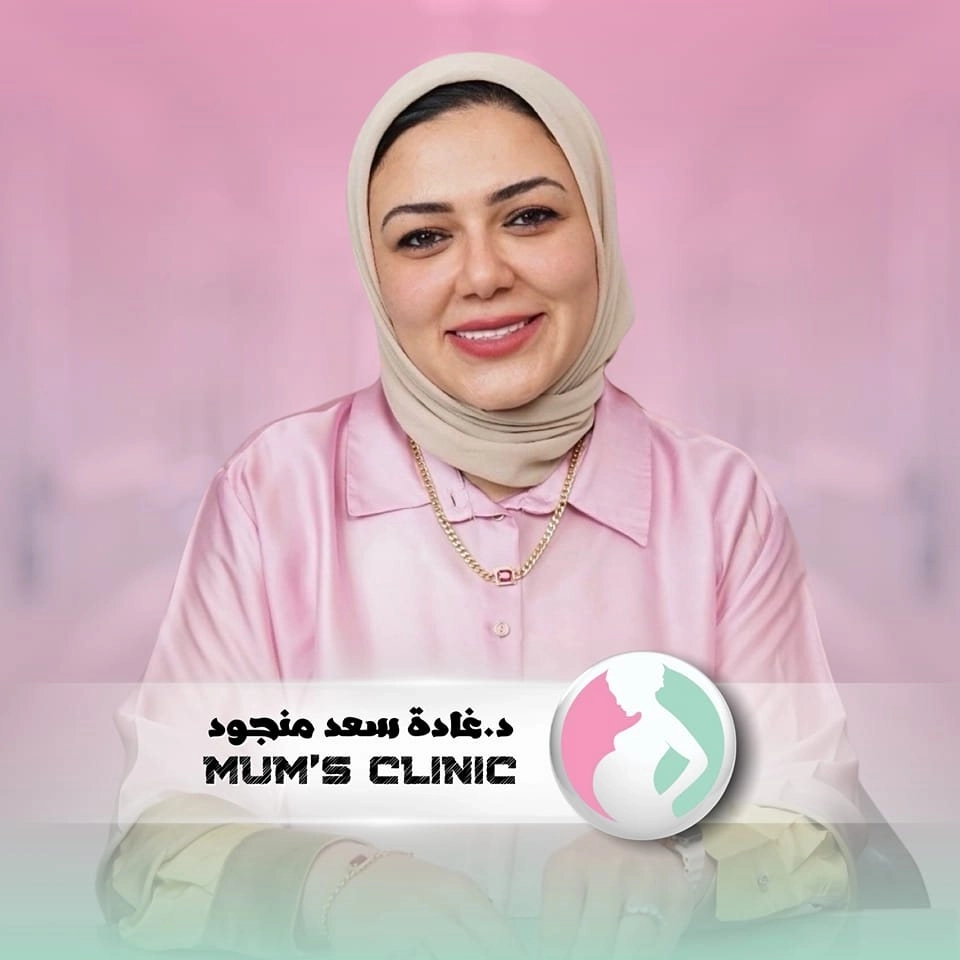

Published on: 2026-08-09 | Written by: Dr. Iman Refaat, Obstetrics and Gynecology

IVF and Treatment of Infertility
What Is ICSI?
Dr. Eman Refaat explains that ICSI (Intracytoplasmic Sperm Injection) is one of the most important assisted reproductive techniques used to treat infertility, as it involves retrieving eggs from the woman after ovarian stimulation and injecting a selected sperm directly into the egg using precise laboratory techniques, with the aim of achieving fertilization and developing embryos that can later be transferred into the uterus according to the treatment plan suitable for each case.
When Is ICSI Recommended?
Dr. Eman Refaat emphasizes that the decision to undergo ICSI varies from one case to another, as it may be recommended in cases of severe male-factor infertility, significantly reduced sperm count or motility, certain female fertility problems, blocked fallopian tubes, unsuccessful previous intrauterine insemination attempts, or some cases of unexplained infertility, while the most appropriate assisted reproductive technique is determined after a comprehensive evaluation of both partners.
Causes of Infertility in Women
Dr. Eman Refaat notes that female infertility may be associated with ovulation disorders, polycystic ovary syndrome, reduced ovarian reserve, fallopian tube problems, endometriosis, uterine conditions, hormonal disorders, or increasing age, making accurate diagnosis an important step in selecting the appropriate treatment and improving the chances of pregnancy.
Causes of Infertility in Men
Dr. Eman Refaat explains that male infertility may result from a low sperm count, poor sperm motility, abnormal sperm morphology, or certain conditions affecting sperm production or transport, which is why semen analysis and other tests recommended by the specialist may be required to identify the underlying problem and determine the most appropriate treatment.
Steps of the ICSI Procedure
Dr. Eman Refaat confirms that the ICSI journey begins with evaluating both partners and performing the necessary fertility tests, followed by ovarian stimulation using medications prescribed according to the woman's individual condition, monitoring follicle development through ultrasound and required blood tests, retrieving the eggs, preparing the sperm, performing ICSI, monitoring embryo development in the laboratory, and finally determining the appropriate timing for embryo transfer into the uterus.
Ovarian Stimulation
Dr. Eman Refaat emphasizes that ovarian stimulation requires careful medical monitoring during infertility treatment because the goal is to obtain an appropriate number of mature eggs while minimizing the risk of complications, and the medications and dosages vary from one woman to another depending on age, ovarian reserve, response to treatment, and overall health.
Egg Retrieval
Dr. Eman Refaat explains that egg retrieval is usually performed using a fine needle guided by ultrasound after appropriate anesthesia or sedation, allowing the eggs to be collected from the ovarian follicles and transferred to the embryology laboratory for evaluation and selection of suitable eggs for fertilization.
The Role of the Embryology Laboratory
Dr. Eman Refaat notes that the embryology laboratory plays an essential role in the ICSI process, as it is where the eggs and sperm are prepared, ICSI is performed, and embryo development is monitored during the following days, after which suitable embryos may be selected for transfer according to medical criteria and the couple's individual circumstances.
Embryo Transfer
Dr. Eman Refaat explains that embryo transfer is performed using a thin catheter inserted through the cervix to place the embryo or embryos inside the uterine cavity, while the timing and number of embryos transferred are determined according to factors such as the woman's age, embryo quality, medical condition, and the recommendations of the fertility specialist.
Pregnancy Test After ICSI
Dr. Eman Refaat confirms that pregnancy after ICSI is confirmed through a blood pregnancy test at the time recommended by the fertility specialist after embryo transfer, because symptoms such as mild cramps, breast tenderness, or vaginal discharge are not reliable indicators of pregnancy and may also occur as a result of hormonal medications used during treatment.
Factors Affecting ICSI Success
Dr. Eman Refaat emphasizes that the success rate of ICSI is influenced by several factors, including the woman's age, ovarian reserve, egg quality, sperm quality, embryo quality, uterine health, certain medical conditions, and the history of previous assisted reproductive attempts, which means that success rates vary from one couple to another and pregnancy cannot be guaranteed with every attempt.
Infertility Treatment Before ICSI
Dr. Eman Refaat notes that infertility treatment does not always mean proceeding directly to ICSI, as some couples may benefit from treating ovulation disorders, hormonal problems, certain reproductive system conditions, lifestyle modifications, or intrauterine insemination, while other couples may require assisted reproductive technologies depending on their test results and diagnosis.
Fertility Tests Before Treatment
Dr. Eman Refaat explains that performing appropriate fertility tests for both partners helps identify the possible causes of delayed conception and supports the development of a suitable treatment plan, with testing potentially including semen analysis, hormonal tests, ovarian reserve assessment, ultrasound examination, and evaluation of the uterus and fallopian tubes depending on the couple's medical history and clinical findings.
Does ICSI Guarantee Pregnancy?
Dr. Eman Refaat confirms that ICSI does not guarantee pregnancy with every attempt, despite being an advanced technique for treating certain causes of infertility, because treatment outcomes depend on multiple factors related to both partners, making individualized medical evaluation and discussion of expected outcomes an important part of the treatment process.
Tips During Infertility Treatment
Dr. Eman Refaat emphasizes the importance of maintaining a healthy lifestyle during infertility treatment by following a balanced diet, maintaining a healthy weight, avoiding smoking, getting adequate sleep, following prescribed medications and appointments, and avoiding medications or supplements without medical advice, as these measures support overall health during the fertility treatment journey.
The Importance of Choosing a Fertility Specialist
Dr. Eman Refaat explains that choosing a specialist experienced in infertility treatment and ICSI can help couples understand the possible causes of delayed conception and select an appropriate treatment plan, while providing medical follow-up throughout the process, from fertility testing and ovarian stimulation to egg retrieval, embryo development, and embryo transfer according to each couple's individual needs.
Conclusion
Dr. Eman Refaat confirms that ICSI and infertility treatment provide important medical options for couples experiencing difficulty conceiving, but choosing the appropriate treatment depends on identifying the underlying cause of infertility and conducting a comprehensive evaluation of both partners, making professional medical consultation and appropriate fertility testing essential steps toward developing a treatment plan tailored to each case.