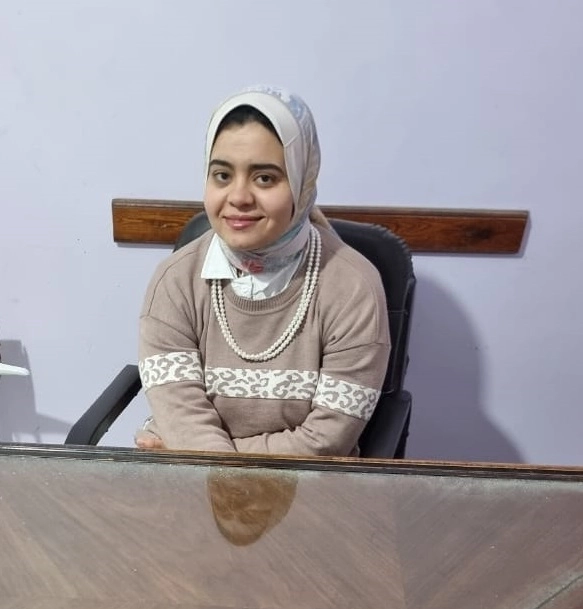

Published on: 2026-08-08 | Written by: Dr. Samah Othman, Consultant in Physical Therapy

Obesity and underweight are health conditions that can significantly affect overall health and quality of life, and managing them is not only about changing body appearance but also about improving nutrition, establishing healthy daily habits, and achieving a healthy body weight that is appropriate for each individual's needs, which is why treating excessive or insufficient weight requires a comprehensive assessment of health status, lifestyle, and dietary habits. Dr. Samah Othman explains that achieving physical balance depends on following an appropriate nutritional and physical activity plan that supports healthy and sustainable results.
Causes of Obesity and Weight Gain
Dr. Samah Othman explains that obesity may result from several interconnected factors, including excessive calorie intake, insufficient physical activity, unhealthy eating habits, poor sleep, chronic stress, as well as certain hormonal or genetic factors and some medications, making it important to identify the main cause of weight gain before choosing a suitable treatment plan instead of relying on restrictive diets or quick-fix solutions.
Healthy Treatment for Obesity
Dr. Samah Othman confirms that treating obesity requires a comprehensive plan based on organizing meals, creating an appropriate calorie deficit, gradually increasing physical activity, and focusing on nutritious foods such as protein, vegetables, fruits, whole grains, and healthy fats, while reducing excessive consumption of sugar, sweetened beverages, and high-calorie foods, with some patients potentially requiring medical interventions or prescription weight-management medications according to their medical evaluation and under professional supervision.
Treating Underweight and Gaining Weight Safely
Dr. Samah Othman advises that being underweight does not necessarily mean that the body is healthy, as it may be associated with poor nutrition, loss of appetite, certain medical conditions, or an increased metabolic rate, which is why healthy weight gain should focus on gradually increasing calorie intake through nutrient-dense foods such as protein-rich foods, eggs, dairy products, nuts, and whole grains, combined with resistance training when medically appropriate to support muscle mass rather than simply increasing body fat.
The Importance of Balanced Nutrition in Achieving Physical Balance
Dr. Samah Othman stresses that balanced nutrition is the foundation for reaching and maintaining a healthy body weight, as the body requires an appropriate variety of proteins, complex carbohydrates, healthy fats, vitamins, minerals, and fiber, while establishing regular meal patterns, drinking adequate amounts of water, and limiting highly processed foods can improve energy levels and digestion, support normal body functions, and contribute to achieving physical balance in a sustainable way.
The Role of Physical Activity in Weight Management
Dr. Samah Othman explains that regular physical activity helps improve fitness, increase energy expenditure, strengthen muscles, and support cardiovascular health, while the appropriate type and intensity of exercise should be selected according to age, medical condition, and physical ability, with a combination of aerobic activities such as walking and resistance exercises when suitable, as consistency in physical activity is one of the most important factors for maintaining a healthy weight after reaching the desired goal.
Medical Follow-Up and the Importance of Achieving a Healthy Weight
Dr. Samah Othman confirms that achieving an ideal body weight should not depend solely on a number on the scale, but should also take into account body composition, overall health, dietary habits, and physical activity levels, which is why regular follow-up with a physician or qualified nutrition specialist can help monitor progress, adjust the treatment plan when necessary, and prevent unhealthy rapid weight loss or excessive weight gain, ultimately supporting a balanced and sustainable lifestyle.