

Published on: 2026-08-06 | Written by: Dr. Ahmed Nagi, Consultant General Surgeon
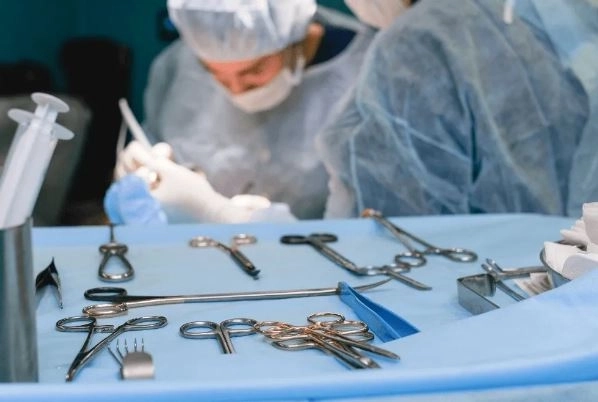
General surgery is one of the most important medical specialties dedicated to the diagnosis and surgical treatment of a wide range of diseases affecting different organs of the body. It includes the management of gastrointestinal diseases, gallbladder disorders, hernias, thyroid diseases, breast conditions, and tumors, in addition to treating emergency surgical cases. Continuous advances in surgical techniques, particularly minimally invasive (laparoscopic) surgery, have significantly improved patient outcomes, reduced recovery time, and enhanced surgical safety. Dr. Ahmed Nagi stresses that accurate diagnosis and selecting the appropriate timing for surgery are essential factors for achieving the best possible treatment results.
Conditions Treated by General Surgery
Dr. Ahmed Nagi explains that general surgery covers the treatment of a broad spectrum of medical conditions, including gallstones, appendicitis, inguinal and umbilical hernias, gastrointestinal tumors, breast diseases, thyroid gland disorders, as well as certain traumatic injuries and complex wounds. The most suitable surgical approach is selected according to the patient's condition and the results of comprehensive medical evaluations to ensure optimal clinical outcomes.
Laparoscopic Surgery and Its Benefits
Dr. Ahmed Nagi confirms that laparoscopic surgery has revolutionized the field of general surgery by allowing many procedures to be performed through small incisions instead of traditional open surgery. This minimally invasive approach reduces postoperative pain, minimizes blood loss, lowers the risk of infection, shortens hospital stays, accelerates recovery, and provides improved cosmetic results compared with conventional surgical techniques.
Preparing for Surgery
Dr. Ahmed Nagi points out that careful preparation before any surgical procedure is essential and includes completing all recommended laboratory tests and imaging studies, informing the surgeon about current medications and chronic medical conditions, and following fasting instructions when required. Proper preoperative preparation plays a crucial role in reducing complications and ensuring that surgery is performed as safely as possible.
Postoperative Care
Dr. Ahmed Nagi stresses the importance of taking prescribed medications on schedule, caring for the surgical wound properly, attending all scheduled follow-up appointments, avoiding heavy lifting and strenuous physical activity until medically permitted, and maintaining a healthy diet with adequate fluid intake, as these measures promote faster healing, reduce the risk of complications, and support a smooth recovery after surgery.
When Should You Consult a General Surgeon?
Dr. Ahmed Nagi explains that consulting a general surgeon is recommended if you experience persistent or severe abdominal pain, notice abnormal lumps or swellings, develop symptoms suggestive of a hernia or gallstones, or are diagnosed with a condition that may require surgical treatment, because early evaluation and an individualized treatment plan can significantly improve outcomes, prevent complications, and preserve overall health and quality of life.