
Published on: 2026-08-03 | Written by: Dr. Sherif Pasha Seif, Consultant in Obstetrics
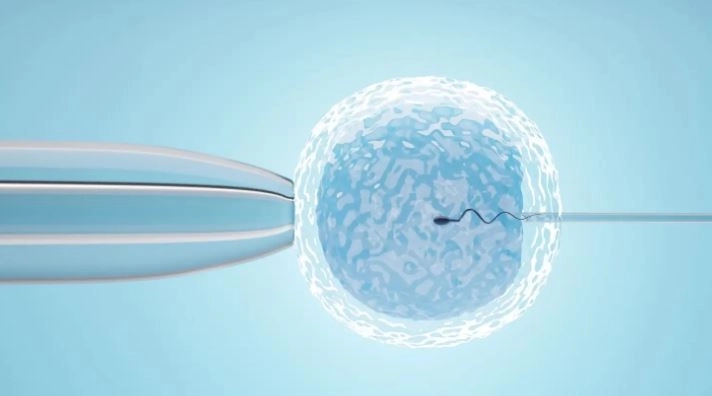
Intracytoplasmic Sperm Injection (ICSI) and In Vitro Fertilization (IVF) are among the most advanced assisted reproductive technologies (ART) available for treating infertility. These techniques have helped countless couples achieve their dream of having a child after a thorough evaluation of the underlying causes affecting fertility. Successful treatment depends on accurate diagnosis, selecting the most appropriate fertility protocol, and using advanced reproductive technologies, along with close medical monitoring throughout every stage of the treatment process to maximize the chances of success according to each couple's individual condition.
What Are ICSI and IVF?
Dr. Sherif Basha Seif explains that ICSI is an assisted reproductive technique in which a single sperm is carefully injected directly into a mature egg in the laboratory to facilitate fertilization in appropriate cases. IVF, on the other hand, involves retrieving eggs and sperm, allowing fertilization to occur under controlled laboratory conditions, and then transferring the resulting embryo or embryos into the uterus. The most suitable treatment option is selected only after a comprehensive fertility assessment.
When Are ICSI or IVF Recommended?
Dr. Sherif Basha Seif emphasizes that ICSI or IVF may be recommended after a complete evaluation of the causes of infertility. These treatments may be appropriate for couples experiencing low sperm count or poor sperm quality, blocked fallopian tubes, ovulation disorders, endometriosis, or certain cases of unexplained infertility. The treatment plan is always individualized according to the specific medical condition of each couple.
Stages of ICSI and IVF Treatment
Dr. Sherif Basha Seif confirms that the ICSI and IVF journey includes several carefully planned stages, including comprehensive fertility evaluation, ovarian stimulation to produce multiple mature eggs, egg retrieval, sperm preparation, laboratory fertilization, embryo culture and monitoring, and embryo transfer into the uterus at the appropriate time. Each step is closely supervised to optimize the likelihood of a successful pregnancy.
Factors Affecting Success Rates
Dr. Sherif Basha Seif points out that the success of ICSI and IVF depends on several important factors, including the woman's age, egg quality, sperm quality, the underlying cause of infertility, uterine health, the body's response to fertility medications, and adherence to the prescribed treatment plan. Therefore, success rates vary from one couple to another, and no fertility treatment can guarantee pregnancy in every case.
The Importance of Continuous Fertility Follow-Up
Dr. Sherif Basha Seif explains that regular medical follow-up throughout the fertility treatment process is essential for monitoring the response to medications, evaluating follicle and embryo development, making timely medical decisions, and providing personalized guidance to maximize the chances of treatment success. Continuous communication with the fertility specialist is a key component of achieving the best possible outcome.
Tips Before Starting ICSI or IVF
To improve the chances of treatment success, couples are encouraged to:
Complete all recommended fertility evaluations and laboratory tests before treatment.
Take prescribed medications exactly as instructed and attend all scheduled appointments.
Maintain a healthy body weight and follow a balanced, nutritious diet.
Avoid smoking and other lifestyle factors that may negatively affect fertility.
Discuss all questions and concerns with your fertility specialist before and during treatment.
When Should You Consult a Fertility Specialist?
You should consult a fertility specialist if pregnancy has not occurred despite regular attempts, or if there are ovulation disorders, male fertility problems, blocked fallopian tubes, recurrent pregnancy loss, or any medical condition that may affect fertility. Early evaluation can help identify the underlying cause and determine the most appropriate treatment at the right time.
ICSI and IVF are among the most effective assisted reproductive technologies for treating many causes of infertility. Their success depends on accurate diagnosis, a personalized treatment plan, continuous medical follow-up, and strict adherence to medical recommendations, helping increase the chances of pregnancy and bringing couples closer to achieving their dream of parenthood.