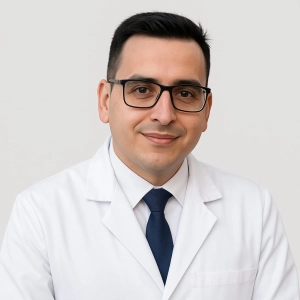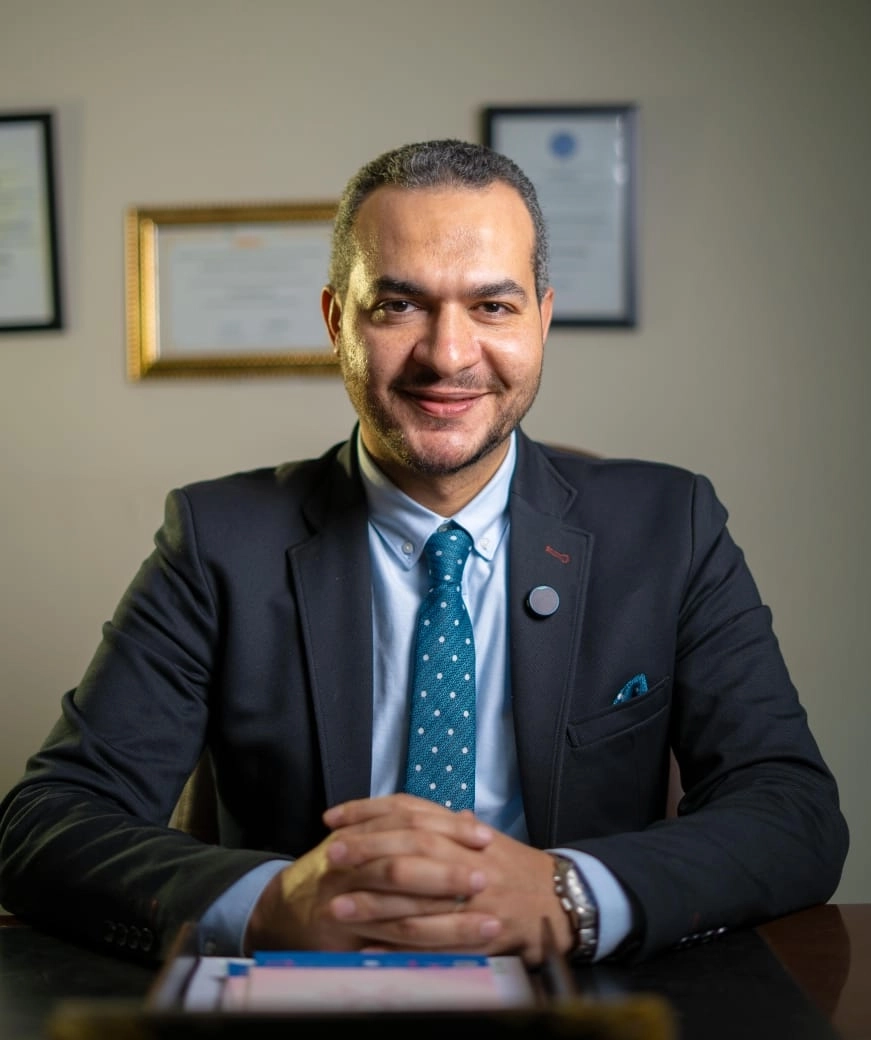

Published on: 2026-08-03 | Written by: Dr. Ayman Abdel Hamid, of Oncology and Endoscopic

Breast Cancer Surgery
Dr. Ayman Abdel Hamid emphasizes that breast cancer surgery is one of the most important treatment options for both benign and malignant breast tumors, and that early diagnosis together with selecting the most appropriate surgical procedure according to the type and stage of the tumor and the patient's overall health significantly improves recovery rates and achieves the best possible treatment outcomes while preserving quality of life.
What Are Breast Tumors?
Dr. Ayman Abdel Hamid explains that breast tumors may be either benign or malignant, and not every breast lump is cancerous, which is why accurate diagnosis depends on a comprehensive clinical examination, mammography, breast ultrasound, and biopsy to determine the nature of the tumor and develop the most appropriate individualized treatment plan.
When Is Breast Cancer Surgery Needed?
Dr. Ayman Abdel Hamid confirms that surgical intervention becomes necessary in many cases after evaluating diagnostic findings and determining the stage of the disease, whether the goal is breast-conserving surgery to remove only the tumor or a total mastectomy when medically indicated, following the latest international treatment guidelines.
Symptoms of Breast Tumors
Dr. Ayman Abdel Hamid highlights that the appearance of a breast lump or an underarm lump, changes in the size or shape of the breast, abnormal nipple discharge, skin changes affecting the breast, or persistent breast pain should never be ignored and require prompt medical evaluation to ensure an accurate diagnosis and timely treatment.
Types of Breast Cancer Surgery
The specialists emphasize that breast cancer surgery includes breast-conserving surgery (lumpectomy), total mastectomy, lymph node surgery, and reconstructive procedures in selected cases, with the surgical approach determined according to the tumor's size, location, stage, and the patient's overall medical condition.
The Importance of Early Detection
The specialists explain that early detection of breast cancer greatly increases the chances of successful treatment and reduces the risk of disease progression, making regular breast self-examinations, routine clinical breast examinations, and scheduled mammography screenings especially important for women at increased risk.
Recovery After Breast Cancer Surgery
Dr. Ayman Abdel Hamid confirms that following postoperative instructions, attending regular follow-up appointments, caring for the surgical wound, and performing prescribed shoulder and arm rehabilitation exercises under medical supervision help accelerate recovery, reduce complications, and safely restore normal daily activities.
How Can the Risk of Breast Cancer Be Reduced?
The specialists highlight that maintaining a healthy body weight, engaging in regular physical activity, following a balanced diet, avoiding smoking, undergoing routine screening, and seeking immediate medical evaluation for any unusual breast changes are important measures that may help reduce the risk of breast cancer and support early detection.
Why Is Choosing a Specialized Breast Cancer Surgeon Important?
Dr. Ayman Abdel Hamid emphasizes that selecting an experienced breast cancer surgeon with extensive academic and clinical expertise helps ensure an accurate treatment plan and the most appropriate surgical technique for each individual patient, ultimately improving treatment outcomes while preserving patient safety and quality of life.
Conclusion
Dr. Ayman Abdel Hamid explains that breast cancer surgery is a fundamental part of the treatment of breast cancer as well as certain benign breast tumors, and that early diagnosis, continuous follow-up, choosing a highly qualified specialist, and utilizing advanced surgical techniques are key factors in maximizing recovery rates and achieving the best long-term outcomes.