
Published on: 2026-08-03 | Written by: Nibras Propolis Center for Physiotherapy and Rehabilitation
Therapeutic Cupping
Nebras Center emphasizes that therapeutic cupping is a supportive treatment method used alongside an individualized medical treatment plan to help relieve pain, improve blood circulation, reduce muscle tension, and promote overall relaxation, provided that it is performed by qualified specialists in a safe medical environment after a thorough evaluation of each patient's condition.
What Is Therapeutic Cupping?
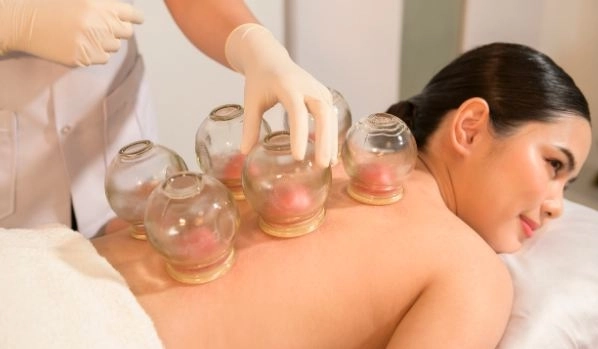
Nebras Center explains that therapeutic cupping is a technique that uses specially designed cups to create negative pressure on specific areas of the body, helping stimulate blood circulation, activate soft tissues, reduce muscle tightness, and support the body's natural healing process as part of a comprehensive physical therapy and rehabilitation program.
Benefits of Therapeutic Cupping
Nebras Center confirms that therapeutic cupping may help relieve muscle and joint pain, reduce stiffness, improve flexibility and range of motion, promote muscle relaxation, and support recovery after physical exertion, while treatment outcomes may vary depending on each patient's medical condition and adherence to the prescribed rehabilitation plan.
Conditions That May Benefit from Therapeutic Cupping
Nebras Center highlights that therapeutic cupping may be beneficial for selected cases of neck pain, back pain, shoulder pain, muscle tension, lower back pain, certain sports injuries, and chronic joint discomfort, provided that suitability is determined through a professional medical assessment and that cupping is used as a complementary treatment rather than a replacement for necessary medical care.
Therapeutic Cupping and Physical Therapy
Nebras Center emphasizes that combining therapeutic cupping with physical therapy sessions, rehabilitation exercises, and manual therapy may enhance treatment outcomes, accelerate recovery, improve mobility, and reduce pain through personalized rehabilitation programs specifically designed to meet each patient's individual needs.
Is Therapeutic Cupping Safe?
The specialists at Nebras Center explain that therapeutic cupping is considered safe when performed in a properly equipped medical facility by trained professionals who follow strict sterilization protocols, use sterile equipment for every patient, and carefully review each patient's medical history to minimize potential risks and ensure maximum safety.
Who Should Avoid Therapeutic Cupping?
Nebras Center confirms that therapeutic cupping may not be suitable for individuals with severe blood clotting disorders, those taking blood-thinning medications, or patients with wounds, infections, or skin conditions at the treatment site, making a professional medical evaluation essential before starting treatment.
Instructions Before and After Therapeutic Cupping
Nebras Center highlights the importance of following professional instructions before and after each cupping session, including staying well hydrated, eating a light meal beforehand, avoiding strenuous physical activity afterward, keeping the treated area clean, and carefully following all recommendations provided by the healthcare specialist to achieve the best possible results.
Why Choose Nebras Center for Therapeutic Cupping?
Nebras Center emphasizes that it provides therapeutic cupping as part of a comprehensive rehabilitation program supervised by distinguished professors and lecturers of physical therapy from Egyptian universities while utilizing modern assessment methods, strict sterilization standards, and integrated rehabilitation techniques to ensure safe, effective, and high-quality patient care.
Conclusion
The specialists at Nebras Center explain that therapeutic cupping is a valuable complementary treatment that can help relieve pain, improve mobility, and support recovery when performed correctly as part of a comprehensive rehabilitation plan, making the choice of a specialized medical facility such as Nebras Center an important step toward achieving safe and effective treatment outcomes.