

Published on: 2026-07-30 | Written by: Farghaly Physioclinic Dr. Alaa Farghaly
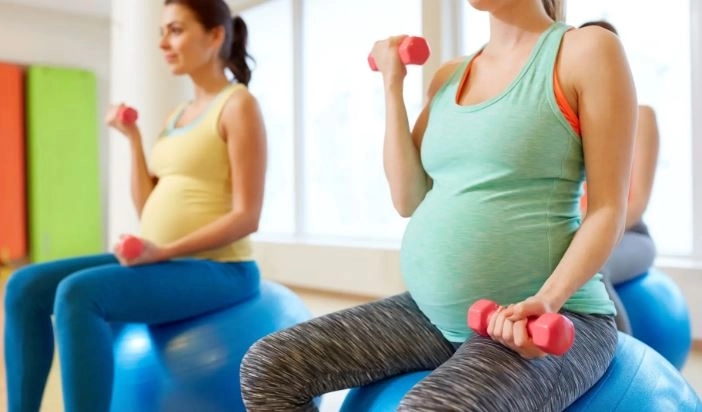
Prenatal physical therapy is an important part of maternity care that helps prepare the body for labor and childbirth by improving muscle strength, flexibility, pelvic floor function, balance, and posture. It can also help reduce some of the common physical discomforts experienced during pregnancy while improving a woman's ability to adapt to the body's natural changes. These rehabilitation programs are individually designed according to each woman's health status, stage of pregnancy, and medical evaluation to ensure the highest level of safety.
What Is Prenatal Physical Therapy?
Dr. Alaa Farghaly explains that prenatal physical therapy is a specialized rehabilitation program designed to improve physical fitness, strengthen the pelvic floor muscles, teach breathing and relaxation techniques, enhance muscle and joint flexibility, and promote proper body posture. These therapeutic interventions help women prepare for labor more comfortably and safely while taking into account the stage of pregnancy and each patient's individual medical condition.
Benefits of Physical Therapy Before Childbirth
Dr. Alaa Farghaly emphasizes that prenatal physical therapy may help reduce lower back and pelvic pain, improve balance, increase flexibility, strengthen the muscles supporting the spine and pelvis, and enhance breathing techniques that may be beneficial during labor. The type and intensity of exercises are always individualized according to each woman's condition and medical needs.
Assessment Before Starting a Prenatal Rehabilitation Program
Dr. Alaa Farghaly confirms that the success of a prenatal rehabilitation program begins with a comprehensive assessment of the mother's health, the stage of pregnancy, medical history, physical activity level, pelvic floor muscle function, and any medical conditions that may require modifications to the exercise program or temporary restrictions. This careful evaluation ensures safe and personalized care throughout pregnancy.
Components of a Prenatal Physical Therapy Program
Dr. Alaa Farghaly points out that a prenatal physical therapy program may include pelvic floor muscle strengthening exercises, stretching routines, balance training, breathing and relaxation techniques, and education on proper body mechanics for walking, sitting, standing, and sleeping. The program is continuously adjusted throughout pregnancy according to the mother's changing needs and overall health.
The Importance of Medical Follow-Up and Professional Guidance
Dr. Alaa Farghaly explains that achieving the best results from prenatal physical therapy depends on regular attendance at therapy sessions, performing exercises correctly, maintaining continuous follow-up with both the physical therapist and the obstetrician, and promptly reporting any unusual symptoms. This collaborative approach helps ensure the highest level of safety for both the mother and the baby.
Tips for Maintaining Maternal Health Before Childbirth
To prepare safely for childbirth, it is recommended to:
Follow the prescribed physical therapy program after approval from your obstetrician.
Perform pregnancy-safe exercises under professional supervision.
Maintain a healthy, balanced diet and stay well hydrated.
Get adequate rest and sufficient sleep.
Seek immediate medical advice if you experience severe pain, unusual contractions, or any concerning symptoms.
When Should You Consult a Physical Therapist?
Women should consider consulting a physical therapist if they need professional preparation for childbirth, experience back or pelvic pain during pregnancy, have pelvic floor muscle weakness, or wish to learn safe pregnancy exercises, while continuing to follow the recommendations of their obstetrician throughout pregnancy.
Prenatal physical therapy is an essential component of comprehensive prenatal care. Its success depends on accurate assessment, an individualized rehabilitation program, safe therapeutic exercises, and regular medical follow-up. These measures help improve physical fitness, reduce pregnancy-related discomfort, prepare women for childbirth, and promote the health and well-being of both mother and baby.