

Published on: 2026-07-30 | Written by: Farghaly Physioclinic Dr. Alaa Farghaly
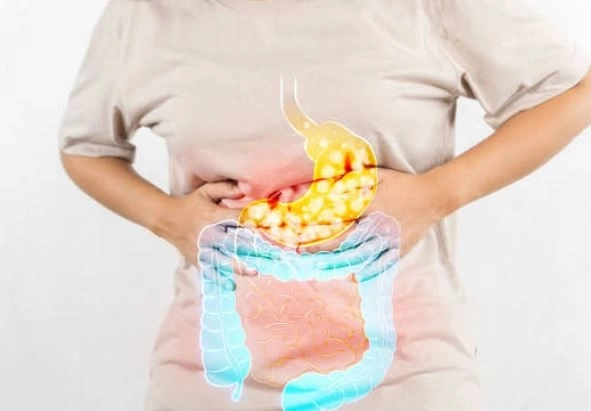
Chronic constipation is a common health condition that can significantly affect quality of life. Patients may experience infrequent bowel movements, difficulty passing stool, a sensation of incomplete evacuation, or excessive straining during defecation. Chronic constipation may result from pelvic floor muscle dysfunction, poor muscle coordination, physical inactivity, inadequate dietary fiber or fluid intake, or certain medical conditions. For patients whose symptoms are related to pelvic floor dysfunction or impaired bowel evacuation, specialized physical therapy can be an effective, non-surgical treatment option following an appropriate medical evaluation.
What Is Physical Therapy for Chronic Constipation?
Dr. Alaa Farghaly explains that physical therapy for chronic constipation focuses on evaluating pelvic floor muscle function, improving the coordination of the muscles involved in bowel movements, and implementing specialized therapeutic exercises and rehabilitation programs. In appropriate cases, treatment may also include biofeedback therapy to help patients improve bowel function, reduce symptoms, and achieve more effective and comfortable bowel movements.
When Is Physical Therapy Recommended?
Dr. Alaa Farghaly emphasizes that physical therapy is particularly beneficial for patients with chronic constipation associated with pelvic floor dysfunction or functional defecation disorders, especially after a thorough medical assessment has ruled out conditions requiring medical or surgical intervention. Each treatment program is individualized according to the patient's specific condition and therapeutic needs.
Diagnosis of Chronic Constipation
Dr. Alaa Farghaly confirms that successful treatment of chronic constipation begins with a comprehensive medical evaluation, including a detailed medical history, assessment of dietary habits and lifestyle, evaluation of pelvic floor muscle function when indicated, and additional diagnostic tests when necessary to determine the underlying cause of constipation. Accurate diagnosis is essential for selecting the most appropriate treatment strategy.
Benefits of Physical Therapy for Chronic Constipation
Dr. Alaa Farghaly points out that physical therapy may help improve pelvic floor muscle function, reduce difficulty during bowel movements, enhance muscle coordination, decrease the need for certain laxatives in selected patients, and improve overall quality of life. Achieving optimal results depends on adherence to the individualized treatment program and regular follow-up.
The Role of Lifestyle in Improving Chronic Constipation
Dr. Alaa Farghaly explains that successful management of chronic constipation also depends on following a high-fiber diet, drinking adequate amounts of water, engaging in regular physical activity, maintaining healthy bowel habits, and consistently performing the recommended therapeutic exercises. Combining these lifestyle modifications with physical therapy can significantly improve long-term outcomes.
Tips for Managing Chronic Constipation
To help reduce chronic constipation, it is recommended to:
Eat a diet rich in fiber, including fruits, vegetables, and whole grains.
Drink sufficient amounts of water throughout the day.
Engage in regular physical activity.
Avoid delaying the urge to have a bowel movement.
Consult a physician or specialized physical therapist if constipation persists or recurs frequently.
When Should You Consult a Healthcare Professional?
You should seek medical advice if you experience persistent chronic constipation, severe pain during bowel movements, rectal bleeding, unexplained weight loss, sudden changes in bowel habits, or symptoms that do not improve despite treatment, as these signs require a comprehensive medical evaluation to determine the underlying cause and provide appropriate care.
Physical therapy for chronic constipation is an effective treatment option for selected patients after accurate diagnosis and evaluation of the underlying cause. Successful treatment depends on an individualized rehabilitation program, adherence to therapeutic exercises, healthy lifestyle modifications, and regular follow-up, helping improve bowel function, relieve symptoms, support digestive health, and enhance overall quality of life.