

Published on: 2026-07-30 | Written by: Dr. Ayman Omar, Consultant in Oncology and Endoscopic Surgery
Gastrointestinal Tumor Removal | When Is Surgery Necessary and What Are the Latest Treatment Options?
Gastrointestinal Tumor Removal
Dr. Ayman Omar emphasizes that gastrointestinal tumor removal is one of the most effective treatment options for many benign and malignant tumors affecting the stomach, colon, rectum, small intestine, or esophagus. The primary goal of surgery is to completely remove the tumor while preserving as much of the digestive system's normal function as possible. The success of the procedure depends on early diagnosis, the size and stage of the tumor, and the patient's overall health, making thorough preoperative evaluation essential for achieving the best possible outcomes.
What Are Gastrointestinal Tumors?
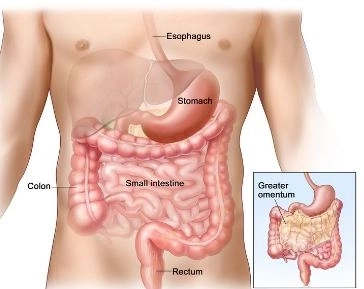
Dr. Ayman Omar explains that gastrointestinal tumors include a wide range of growths that may develop anywhere along the digestive tract, from the esophagus to the rectum. These tumors can be either benign, meaning they do not spread to other organs, or malignant, requiring specialized cancer treatment. Their symptoms and treatment options vary depending on the tumor's location, size, and stage, which is why early diagnosis significantly improves the chances of successful treatment.
When Is Gastrointestinal Tumor Removal Necessary?
Dr. Ayman Omar stresses that the decision to perform surgery is based on a comprehensive medical evaluation. Surgery may be the primary treatment for early-stage cancers or part of a combined treatment plan that includes chemotherapy or radiation therapy. Surgical removal is also recommended when the tumor causes intestinal obstruction, recurrent bleeding, progressive enlargement, or poses a risk of spreading to nearby organs. The appropriate timing of surgery is determined after reviewing all diagnostic tests and imaging studies.
Symptoms of Gastrointestinal Tumors
He highlights that the symptoms of gastrointestinal tumors vary depending on the affected organ, but warning signs that require prompt medical attention include unexplained weight loss, persistent abdominal pain, changes in bowel habits, blood in the stool, difficulty swallowing, anemia, and ongoing fatigue. Ignoring these symptoms may delay diagnosis and reduce the effectiveness of treatment.
How Are Gastrointestinal Tumors Diagnosed?
He explains that diagnosing gastrointestinal tumors involves a detailed medical history, physical examination, endoscopic procedures, CT scans, MRI scans, blood tests, and tissue biopsy for pathological examination. These investigations help determine the type and stage of the tumor and allow the medical team to develop the most appropriate treatment plan for each patient.
Steps of Gastrointestinal Tumor Removal Surgery
Dr. Ayman Omar confirms that surgery begins with a comprehensive evaluation to determine whether conventional surgery or minimally invasive laparoscopic surgery is the most suitable approach. The procedure involves removing the tumor along with a safe margin of surrounding healthy tissue, and in some cases, nearby lymph nodes are also removed to maximize the chances of successful treatment and reduce the risk of recurrence.
Advantages of Laparoscopic Gastrointestinal Tumor Surgery
He stresses that laparoscopic surgery has become an advanced option for treating many gastrointestinal tumors because it requires smaller incisions, results in less postoperative pain, lowers the risk of infection, promotes faster recovery, and shortens hospital stays while providing excellent surgical outcomes in appropriately selected patients.
Recovery After Gastrointestinal Tumor Removal
He explains that recovery time varies according to the type of surgery and the patient's overall health. Following the surgeon's instructions regarding nutrition, physical activity, medications, and regular follow-up appointments plays a vital role in accelerating recovery and reducing the risk of complications. Continuous follow-up is considered an essential part of the overall treatment journey.
Can Gastrointestinal Tumors Be Cured?
Dr. Ayman Omar confirms that the chances of curing gastrointestinal tumors increase significantly when they are detected at an early stage and treated promptly. Recent advances in oncologic surgery and minimally invasive laparoscopic techniques have greatly improved treatment outcomes, recovery rates, and patients' quality of life.
Tips for Reducing the Risk of Gastrointestinal Tumors
He advises that maintaining a healthy diet rich in fruits and vegetables, achieving a healthy body weight, exercising regularly, avoiding smoking, limiting processed meat consumption, treating chronic digestive diseases, and undergoing routine screening—especially for individuals with a family history of gastrointestinal cancers—can help reduce the risk of developing these tumors and support earlier detection if they occur.