
Published on: 2026-07-30 | Written by: Dr. Ali Hamdan Omar, Dermatology, Cosmetic
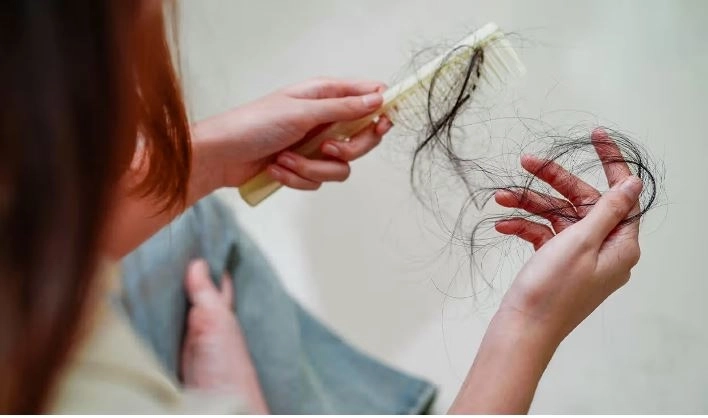
Hair loss is one of the most common concerns affecting both men and women. It may result from genetic factors, hormonal changes, vitamin and mineral deficiencies, psychological stress, or certain dermatological and autoimmune conditions, leading to reduced hair density or noticeable thinning of the scalp. Early diagnosis and identifying the underlying cause are essential for selecting the most appropriate treatment, achieving the best possible results, and maintaining healthy hair over the long term.
What Causes Hair Loss?
Dr. Ali Hamdan Omar explains that hair loss may occur due to genetic pattern baldness, thyroid disorders, iron or vitamin D deficiency, poor nutrition, hormonal imbalances, certain medications, or inflammatory scalp diseases. Identifying the exact cause is the foundation of an effective treatment plan tailored to each patient's individual condition.
Symptoms That Require Medical Evaluation
Dr. Ali Hamdan Omar emphasizes that several warning signs should not be ignored, including excessive hair shedding, visible thinning or bald patches, reduced hair density, scalp itching or inflammation, and sudden hair loss. Seeking medical advice early increases the likelihood of controlling the condition and preserving healthy hair follicles.
Diagnosis of Hair Loss
Dr. Ali Hamdan Omar confirms that diagnosing hair loss involves a thorough clinical examination, assessment of the scalp and hair follicles, review of the patient's medical history, and, when necessary, laboratory tests to identify vitamin deficiencies, hormonal imbalances, or autoimmune disorders. Accurate diagnosis enables the physician to determine the underlying cause and develop the most suitable treatment strategy.
Treatment Options for Hair Loss
Dr. Ali Hamdan Omar points out that the treatment of hair loss depends on its underlying cause and may include topical therapies, prescription medications, correction of nutritional deficiencies, scalp injection therapies for selected patients, low-level laser therapy, and hair transplantation when medically appropriate. The main objectives of treatment are to reduce hair shedding, stimulate healthy hair growth, and preserve the function of hair follicles.
Hair Care and Prevention
Dr. Ali Hamdan Omar explains that maintaining healthy hair and scalp requires following a balanced diet, minimizing excessive heat styling and harsh chemical treatments, caring for the scalp properly, treating scalp disorders promptly, managing stress effectively, and adhering to the prescribed treatment plan. These measures support healthier hair growth and help reduce ongoing hair loss.
Tips for Maintaining Healthy Hair
To help reduce hair loss, it is recommended to:
Eat a balanced diet rich in protein, vitamins, and essential minerals.
Avoid hairstyles that place excessive tension on the hair.
Use hair care products suitable for your hair type and scalp condition.
Limit frequent exposure to heat styling tools and chemical treatments without proper protection.
Consult a dermatologist if hair loss persists or noticeable thinning develops.
When Should You See a Dermatologist?
You should consult a dermatologist if you notice severe or sudden hair loss, bald patches, persistent scalp itching, redness, excessive scaling, or if the condition does not improve despite proper home care, as early medical intervention can improve treatment outcomes and help preserve healthy hair growth.
Successful hair loss treatment depends on an accurate diagnosis, identifying the underlying cause, selecting the most appropriate treatment, and maintaining regular medical follow-up along with proper hair and scalp care. These essential steps help reduce hair shedding, stimulate healthy hair regrowth, restore hair density, and improve both appearance and self-confidence.