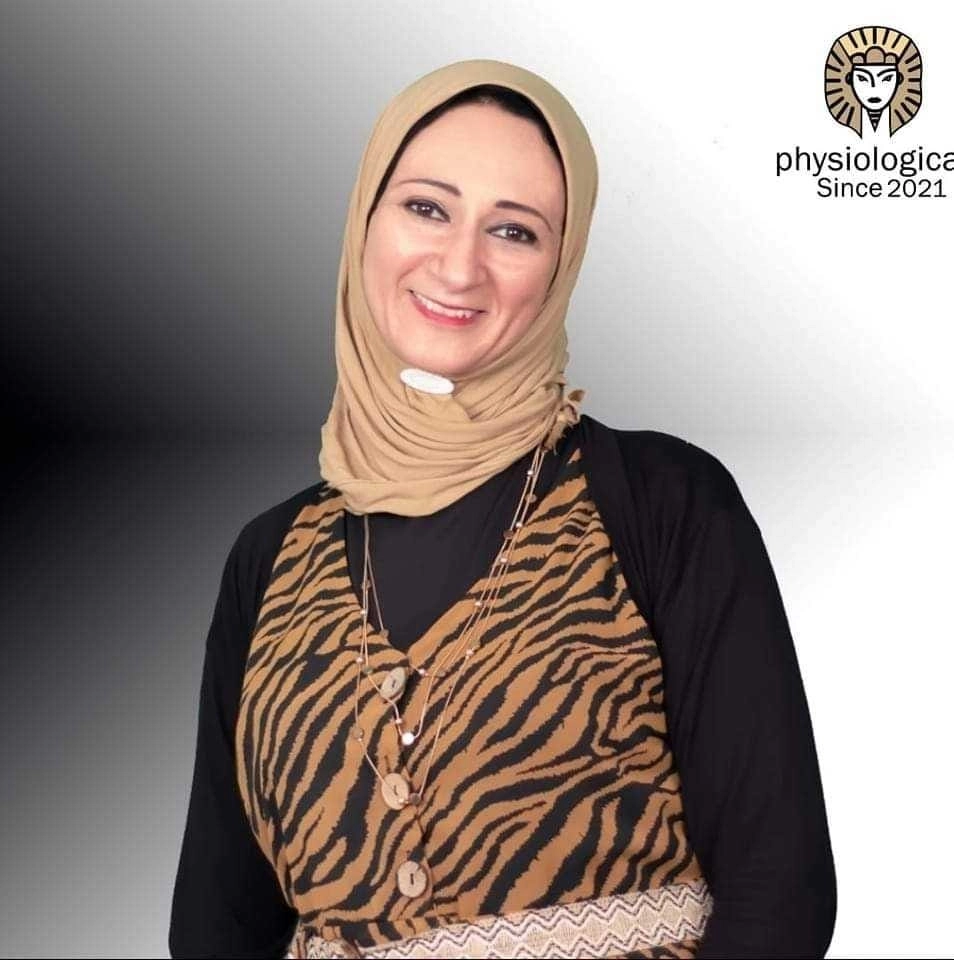

Published on: 2026-07-30 | Written by: Dr Saif AlDin Salah Consultant Psychiatrist

Obsessive-Compulsive Disorder (OCD) is a mental health condition that can significantly affect a person's daily life. Individuals with OCD experience persistent, unwanted thoughts, images, or urges, known as obsessions, which often lead them to perform repetitive compulsive behaviors in an attempt to reduce anxiety or achieve temporary relief. This disorder can interfere with work, education, relationships, and overall quality of life. However, early diagnosis and appropriate treatment can effectively reduce symptoms and help patients regain control over their daily activities.
What Is Obsessive-Compulsive Disorder (OCD)?
Dr. Seif El Din Salah explains that Obsessive-Compulsive Disorder (OCD) is a mental health disorder characterized by recurrent intrusive thoughts, mental images, or urges that cause significant anxiety and emotional distress. These obsessions may drive individuals to repeatedly perform behaviors such as excessive handwashing, repeated checking, counting, or arranging objects, even though many patients recognize that these actions are excessive, yet find them difficult to stop without professional treatment.
Symptoms of Obsessive-Compulsive Disorder
Dr. Seif El Din Salah emphasizes that the symptoms of Obsessive-Compulsive Disorder vary from one individual to another but commonly include persistent fears related to contamination, cleanliness, doubt, orderliness, or causing harm to oneself or others, along with compulsive rituals performed repeatedly to reduce anxiety. These behaviors can consume a considerable amount of time and interfere with normal daily functioning.
Diagnosis of Obsessive-Compulsive Disorder
Dr. Seif El Din Salah confirms that the diagnosis of Obsessive-Compulsive Disorder is based on a comprehensive psychiatric evaluation, a detailed medical and psychological history, and an assessment of the severity of symptoms and their impact on daily life. The evaluation also helps rule out other medical or psychiatric conditions with similar symptoms, allowing for the development of an individualized treatment plan.
Treatment Options for Obsessive-Compulsive Disorder
Dr. Seif El Din Salah points out that the treatment of Obsessive-Compulsive Disorder depends on the severity of the condition and each patient's individual needs. Treatment may include Cognitive Behavioral Therapy (CBT), particularly Exposure and Response Prevention (ERP), prescription medications when clinically appropriate, or a combination of both approaches. The primary goal of treatment is to reduce obsessive thoughts and compulsive behaviors while improving overall quality of life.
The Importance of Follow-Up and Psychological Support
Dr. Seif El Din Salah explains that adhering to the treatment plan, attending psychotherapy sessions regularly, receiving family support, and learning effective stress and anxiety management techniques are essential factors that contribute to long-term improvement, reduce the likelihood of symptom recurrence, and help patients lead healthier and more productive lives.
Tips for Managing Obsessive-Compulsive Disorder
To help manage Obsessive-Compulsive Disorder, it is recommended to:
Follow the treatment plan developed by your psychiatrist or mental health professional.
Do not stop prescribed medications without consulting your physician.
Participate consistently in Cognitive Behavioral Therapy sessions when recommended.
Seek support from family and friends while avoiding social isolation.
Practice healthy stress-management techniques such as relaxation exercises and regular physical activity.
When Should You Consult a Psychiatrist?
You should consult a psychiatrist if you experience persistent obsessive thoughts or repetitive compulsive behaviors that consume a significant amount of time, cause severe emotional distress, interfere with work, education, or relationships, or become difficult to control, as early intervention can greatly improve treatment outcomes.
The successful treatment of Obsessive-Compulsive Disorder (OCD) depends on accurate diagnosis, evidence-based psychotherapy, medication when appropriate, and continuous follow-up care. These essential components help reduce symptoms, restore daily functioning, improve mental well-being, and enhance long-term quality of life.