
Published on: 2026-07-29 | Written by: Dr. Imad Ahmed Abdel-Ati Orthopedic Consultant
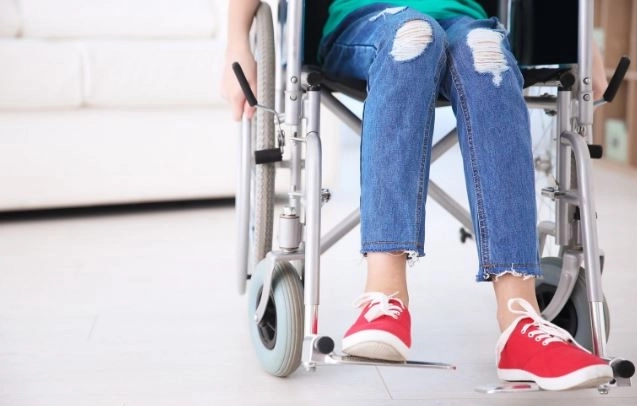
Mobility and joint disorders are among the most common medical conditions, affecting a person's ability to walk, climb stairs, perform daily activities, work, and participate in sports. These conditions may result from osteoarthritis, sports injuries, fractures, joint inflammation, ligament and cartilage tears, or certain chronic diseases. Early diagnosis and a comprehensive treatment plan are essential for relieving pain, improving mobility, preserving joint function, and slowing the progression of the condition over time.
What Are Mobility and Joint Disorders?
Dr. Emad Ahmed Abdel Aty explains that mobility and joint disorders include a wide range of conditions affecting the bones, joints, cartilage, ligaments, tendons, and muscles. These disorders can cause pain, stiffness, swelling, limited mobility, and difficulty performing everyday activities. Effective treatment begins with identifying the underlying cause through a comprehensive medical evaluation.
Causes and Symptoms of Mobility and Joint Disorders
Dr. Emad Ahmed Abdel Aty emphasizes that the most common causes of mobility and joint disorders include aging, osteoarthritis, sports injuries, fractures, rheumatic diseases, obesity, and repetitive stress on the joints. Common symptoms include persistent pain, morning stiffness, joint swelling, restricted movement, muscle weakness, and a feeling of joint instability, all of which should be evaluated promptly to prevent further complications.
Diagnosis of Mobility and Joint Disorders
Dr. Emad Ahmed Abdel Aty confirms that diagnosing mobility and joint disorders depends on a thorough physical examination, assessment of joint range of motion, X-rays, magnetic resonance imaging (MRI), computed tomography (CT) scans when necessary, and laboratory tests to evaluate inflammatory or rheumatic conditions. Accurate diagnosis allows the physician to determine the exact cause and develop the most appropriate treatment plan for each patient.
Treatment Options for Mobility and Joint Disorders
Dr. Emad Ahmed Abdel Aty points out that the treatment of mobility and joint disorders varies depending on the underlying condition and its severity. Treatment may include medications, physical therapy, therapeutic joint injections for selected patients, lifestyle modifications, weight management, and, in advanced cases, minimally invasive surgery, arthroscopic procedures, or joint replacement surgery. The primary goal is to relieve pain, restore mobility, and enable patients to return to their normal daily activities.
The Importance of Rehabilitation and Physical Therapy
Dr. Emad Ahmed Abdel Aty explains that physical therapy and rehabilitation programs are essential components in the treatment of mobility and joint disorders. Muscle-strengthening exercises, flexibility training, balance improvement, and range-of-motion exercises help accelerate recovery, reduce pain, enhance physical performance, and minimize the risk of recurrent injuries or disease progression.
Tips for Maintaining Healthy Joints and Mobility
To maintain healthy joints and improve mobility, it is recommended to:
Exercise regularly with activities appropriate for your condition.
Maintain a healthy body weight to reduce stress on the joints.
Follow a balanced diet rich in calcium, vitamin D, and protein.
Avoid prolonged sitting or standing without movement.
Consult an orthopedic specialist if pain or limited mobility persists and do not ignore early symptoms.
When Should You See an Orthopedic Specialist?
You should consult an orthopedic specialist if you experience persistent joint pain, recurrent swelling, severe stiffness, difficulty walking, significant loss of mobility, or if you have sustained a sports injury or traumatic accident. Early diagnosis and timely treatment can help prevent complications and achieve the best possible outcomes.
Successful treatment of mobility and joint disorders depends on early diagnosis, an individualized treatment plan, adherence to physical therapy, and regular medical follow-up. These essential measures help relieve pain, restore movement, preserve joint function, and improve long-term quality of life.