

Published on: 2026-07-28 | Written by: Dr. Ahmed Abdel Sattar, Consultant General
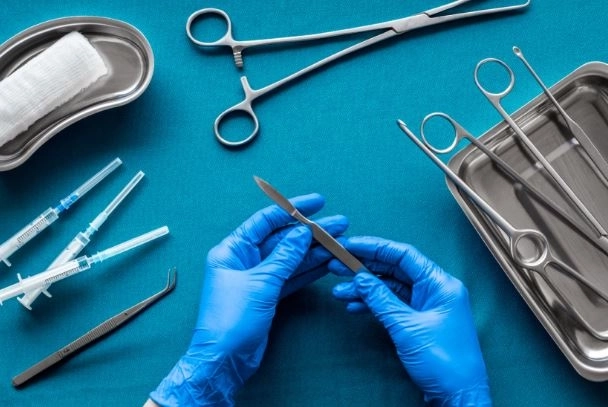
General surgery is one of the most important medical specialties, focusing on the diagnosis and treatment of diseases affecting the digestive system, thyroid gland, gallbladder, hernias, breast, skin, and soft tissues. It also plays a vital role in managing many emergency surgical conditions that require immediate intervention. Advances in open surgery and minimally invasive laparoscopic techniques have significantly reduced postoperative pain, shortened recovery time, minimized complications, and improved overall surgical outcomes, making treatment safer and more effective.
What Is General Surgery?
Dr. Ahmed Abdel Sattar explains that general surgery is a medical specialty dedicated to diagnosing and treating a broad spectrum of conditions that require surgical intervention. Depending on the patient's diagnosis, the procedure may be performed using traditional open surgery or minimally invasive laparoscopic surgery, with the goal of achieving the best possible clinical outcome while ensuring patient safety and a faster recovery.
Conditions Treated by General Surgery
Dr. Ahmed Abdel Sattar emphasizes that general surgery covers the treatment of numerous conditions, including gallstones, inguinal and umbilical hernias, appendicitis, breast disorders requiring surgery, gastrointestinal tumors, colorectal and anal diseases, sebaceous cysts, abscesses, benign tumors, and various skin and soft tissue conditions. Every treatment plan is carefully tailored according to the patient's condition and diagnostic findings.
Diagnosing Conditions That Require Surgery
Dr. Ahmed Abdel Sattar confirms that the success of general surgery begins with an accurate diagnosis, which is based on a comprehensive physical examination, laboratory investigations, diagnostic imaging, and endoscopic procedures when necessary. These diagnostic tools help determine the exact nature and stage of the disease, allowing surgeons to select the most appropriate surgical approach while minimizing potential complications.
Modern Advances in General Surgery
Dr. Ahmed Abdel Sattar points out that technological advancements in general surgery have led to the widespread use of laparoscopic surgery, which offers numerous advantages, including smaller incisions, reduced postoperative pain, a lower risk of infection, shorter hospital stays, faster recovery, and an earlier return to normal daily activities. Modern operating room technologies have also enhanced surgical precision and improved patient outcomes.
Recovery After General Surgery
Dr. Ahmed Abdel Sattar explains that successful recovery following general surgery depends not only on the procedure itself but also on strict adherence to postoperative instructions, taking prescribed medications as directed, proper wound care, maintaining a healthy diet, gradually increasing physical activity, and attending scheduled follow-up appointments. These measures promote faster healing, reduce the risk of complications, and support long-term recovery.
Tips Before and After Surgery
For the best possible results following general surgery, patients are advised to:
Follow all preoperative and postoperative medical instructions carefully.
Complete all required laboratory tests and diagnostic examinations before surgery.
Keep the surgical wound clean and change dressings according to medical advice.
Maintain a balanced diet that supports tissue healing and recovery.
Seek immediate medical attention if symptoms such as fever, excessive redness, swelling, or abnormal wound discharge develop.
When Should You Consult a General Surgeon?
You should consult a general surgeon if you experience persistent or severe abdominal pain, a hernia, an abnormal lump, symptoms of appendicitis, gallbladder pain, unexplained bleeding, or any condition that may require surgical evaluation. Early diagnosis and timely intervention improve treatment success and help prevent serious complications.
General surgery is a cornerstone of modern medical care, providing effective treatment for a wide variety of surgical conditions. Successful outcomes depend on early diagnosis, selecting the appropriate surgical technique, the surgeon's expertise, and careful adherence to preoperative and postoperative medical instructions. These factors contribute to better recovery, fewer complications, and a significant improvement in patients' overall quality of life.