

Published on: 2026-07-28 | Written by: Dr. Ahmed Abdel Sattar, Consultant General
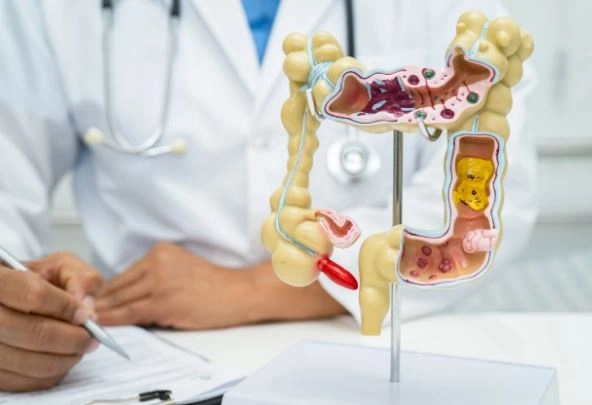
Colorectal and anal surgery is a highly specialized field focused on treating diseases affecting the colon, rectum, and anus, including hemorrhoids, anal fissures, anal fistulas, pilonidal cysts, colorectal tumors, and inflammatory bowel conditions that require surgical intervention. Advances in conventional surgery and minimally invasive laparoscopic techniques have significantly reduced postoperative pain, shortened recovery time, and improved treatment outcomes while minimizing the risk of complications.
What Is Colorectal and Anal Surgery?
Dr. Ahmed Abdel Sattar explains that colorectal and anal surgery includes a wide range of surgical procedures designed to treat diseases affecting the colon, rectum, and anal canal. The most appropriate surgical approach is selected according to the patient's diagnosis, the severity of the condition, and overall health, while utilizing the latest surgical techniques to achieve the best possible functional and medical outcomes.
Conditions That Require Colorectal and Anal Surgery
Dr. Ahmed Abdel Sattar emphasizes that surgical treatment may be necessary for conditions such as advanced hemorrhoids, chronic anal fissures, anal fistulas, pilonidal cysts, colorectal cancer, certain cases of inflammatory bowel disease, intestinal obstruction, or persistent gastrointestinal bleeding that does not respond to conservative treatment. Early diagnosis plays a vital role in selecting the most effective treatment before the condition progresses.
Diagnosis of Colorectal and Anal Diseases
Dr. Ahmed Abdel Sattar confirms that the diagnosis of colorectal and anal disorders relies on a detailed medical history, comprehensive physical examination, colonoscopy when indicated, diagnostic imaging, and laboratory investigations. Accurate diagnosis helps identify the exact cause of symptoms and allows the development of an individualized treatment plan that provides the best possible results.
Advanced Techniques in Colorectal and Anal Surgery
Dr. Ahmed Abdel Sattar points out that recent advances in colorectal and anal surgery have introduced laparoscopic procedures, minimally invasive surgical techniques, precise tumor removal methods, and modern approaches for treating hemorrhoids and anal fistulas. These innovations help reduce postoperative discomfort, shorten hospital stays, accelerate recovery, and allow patients to return to their normal daily activities more quickly.
Recovery After Colorectal and Anal Surgery
Dr. Ahmed Abdel Sattar explains that successful recovery following colorectal and anal surgery depends not only on the operation itself but also on following postoperative instructions, maintaining a healthy diet, consuming adequate dietary fiber and fluids, practicing proper hygiene, taking prescribed medications, and attending scheduled follow-up appointments. These measures promote faster healing and reduce the likelihood of complications or recurrence.
Tips for Preventing Colorectal and Anal Disorders
To help maintain colon and anal health, it is recommended to:
Eat a high-fiber diet rich in fruits, vegetables, and whole grains.
Drink plenty of water throughout the day.
Exercise regularly to promote healthy bowel function.
Avoid chronic constipation and do not delay bowel movements.
Schedule regular medical screenings, especially for individuals at higher risk of colorectal diseases.
When Should You See a Specialist?
You should consult a specialist if you experience rectal bleeding, severe pain during bowel movements, persistent discharge, a lump around the anus, ongoing changes in bowel habits, or unexplained weight loss. Early medical evaluation increases the likelihood of successful treatment and helps prevent serious complications.
Colorectal and anal surgery plays a crucial role in treating a wide variety of colon, rectal, and anal disorders. Successful treatment depends on early diagnosis, selecting the most appropriate surgical technique, following postoperative care instructions, and maintaining regular medical follow-up. These measures help relieve symptoms, restore normal bowel function, and significantly improve the patient's quality of life.