
Published on: 2026-07-23 | Written by: Dr. Abdo Fahmy for dental facial
Fixed and Removable Dental Prostheses: The Ideal Solution for Restoring Your Smile and Oral Function
Fixed and removable dental prostheses are among the most effective solutions for replacing missing teeth, improving the appearance of the smile, and restoring the ability to chew and speak with confidence. They also help maintain oral health and prevent neighboring teeth from shifting. Choosing the most suitable type depends on the number of missing teeth, the condition of the gums and jawbone, and each patient's individual needs. Therefore, an accurate diagnosis by a qualified dentist is the first step toward achieving the best possible results.
What Are Fixed Dental Prostheses?
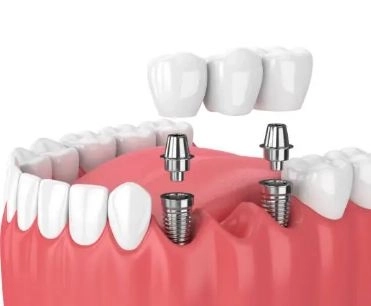
Dr. Abdo Fahmy explains that fixed dental prostheses are restorations permanently attached to natural teeth or dental implants and cannot be removed by the patient. They are known for their strength, stability, and natural appearance, making them an ideal long-term solution for restoring both the function of the teeth and the beauty of the smile.
What Are Removable Dental Prostheses?
Dr. Abdo Fahmy emphasizes that removable dental prostheses are custom-made to replace one tooth, several teeth, or a full arch of teeth. They can be easily removed and cleaned by the patient, making them a suitable option for individuals whose medical condition or jawbone density does not allow for fixed restorations or dental implants.
When Does a Patient Need Dental Prostheses?
Dr. Abdo Fahmy confirms that patients may need fixed or removable dental prostheses after losing one or more teeth due to severe decay, gum disease, trauma, or aging. Replacing missing teeth improves chewing efficiency, enhances speech, prevents adjacent teeth from shifting, and helps maintain proper jaw alignment and facial aesthetics.
The Difference Between Fixed and Removable Dental Prostheses
Dr. Abdo Fahmy points out that fixed dental prostheses provide excellent stability and a feel very similar to natural teeth, while removable prostheses offer the advantages of easy removal, convenient cleaning, and lower cost in certain cases. The most appropriate option is determined after a thorough evaluation of the teeth, gums, and jawbone.
How to Care for Dental Prostheses
Dr. Abdo Fahmy explains that the long-term success of dental prostheses depends on proper daily care, including regular cleaning of both the teeth and prostheses, using appropriate oral hygiene products, attending routine dental follow-up visits, and avoiding habits such as biting hard objects that may damage the restorations.
Benefits of Fixed and Removable Dental Prostheses
Dr. Abdo Fahmy emphasizes that dental prostheses do more than improve appearance. They also restore chewing efficiency, improve speech clarity, ensure proper distribution of biting forces, and increase self-confidence by providing a natural-looking, well-balanced smile.
Conclusion
Dr. Abdo Fahmy confirms that choosing between fixed and removable dental prostheses should always be based on a comprehensive clinical examination and careful assessment of each patient's condition, as the ideal treatment varies from one individual to another. Using modern techniques and a personalized treatment plan helps achieve long-lasting functional and aesthetic results while maintaining excellent oral health.