Published on: 2026-07-23 | Written by: Knights of Will Center for People with Special Needs

Intellectual disabilities are developmental conditions that affect cognitive abilities, learning, communication, and daily living skills to varying degrees. Individuals with intellectual disabilities benefit from specialized rehabilitation programs and comprehensive support plans designed to strengthen their abilities, maximize independence, and enhance their participation in everyday life. Early diagnosis and early intervention are among the most important factors in improving developmental outcomes and increasing opportunities for learning, social inclusion, and long-term independence.
What Are Intellectual Disabilities?
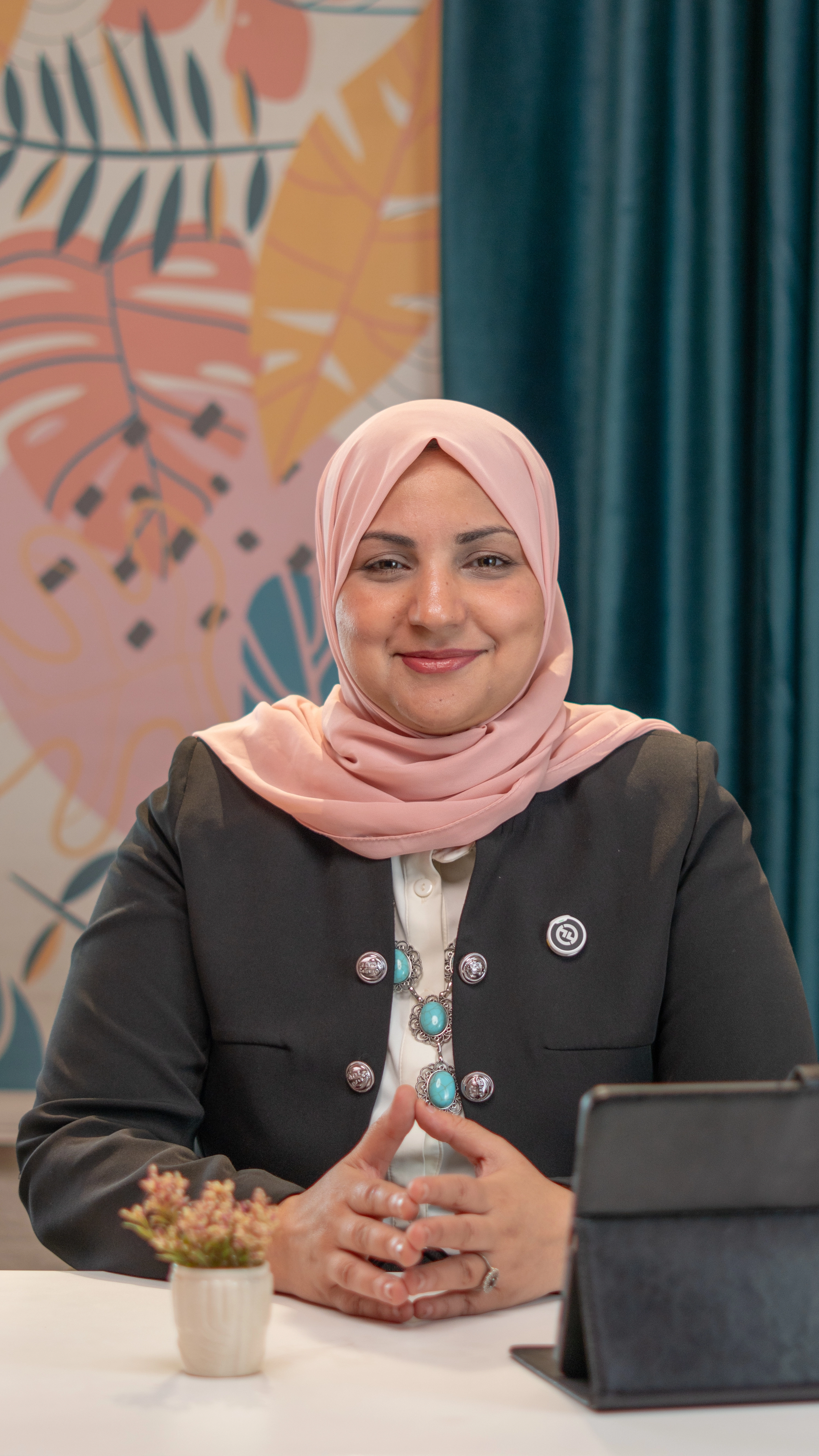
Dr. Fatma Al-Awadi explains that intellectual disabilities are developmental conditions characterized by limitations in intellectual functioning and adaptive behavior, affecting an individual's ability to learn, solve problems, communicate effectively, and perform everyday tasks independently. The severity of intellectual disability ranges from mild to profound, making a comprehensive assessment and an individualized rehabilitation plan essential for addressing each person's unique strengths and needs.
The Importance of Early Diagnosis and Intervention
Dr. Fatma Al-Awadi emphasizes that early diagnosis enables healthcare professionals to establish an appropriate rehabilitation program during the earliest stages of development. Early intervention helps improve cognitive development, enhance communication skills, encourage positive behaviors, strengthen social and daily living skills, and provide families with the knowledge and support needed to actively participate in the rehabilitation process.
Rehabilitation Programs for Individuals with Intellectual Disabilities
Dr. Fatma Al-Awadi confirms that successful rehabilitation programs for intellectual disabilities rely on a multidisciplinary approach that includes cognitive skill development, speech and language therapy, behavioral therapy, occupational therapy, daily living skills training, independence training, and psychological and educational support. These programs are carefully tailored to each individual's developmental level, abilities, and long-term rehabilitation goals.
The Family's Role in Successful Rehabilitation
Dr. Fatma Al-Awadi points out that family involvement is one of the most important factors in achieving successful rehabilitation outcomes. Close collaboration with the multidisciplinary team, consistent implementation of therapeutic recommendations at home, encouraging the individual to practice newly acquired skills, and providing a supportive and positive environment all contribute significantly to continuous progress, improved self-confidence, and greater independence.
Continuous Follow-Up and Progress Evaluation
Dr. Fatma Al-Awadi explains that regular follow-up evaluations allow specialists to monitor cognitive, behavioral, and social development, adjust rehabilitation plans when necessary, and establish new goals that match the individual's developmental progress and functional abilities. Ongoing assessment ensures that rehabilitation remains effective and responsive to changing needs over time.
Goals of Rehabilitation Programs
The primary objectives of rehabilitation for individuals with intellectual disabilities include:
Developing cognitive and intellectual abilities.
Improving communication and language skills.
Enhancing social interaction and interpersonal relationships.
Strengthening daily living skills and promoting independence.
Supporting inclusion within the family, school, workplace, and community.
Advice for Parents and Caregivers
To maximize the effectiveness of the rehabilitation plan, families are encouraged to:
Attend rehabilitation sessions consistently and participate actively.
Practice therapeutic activities and skill-building exercises at home every day.
Reinforce positive behaviors and celebrate even small achievements.
Remain patient and committed to the long-term rehabilitation process.
Maintain regular communication with the rehabilitation team to monitor progress and adjust treatment goals when needed.
Managing intellectual disabilities requires a comprehensive approach based on early diagnosis, individualized rehabilitation, active family involvement, and continuous professional follow-up. Together, these essential components help individuals develop their abilities, improve communication and daily living skills, increase independence, and achieve the highest possible level of participation and inclusion in society, ultimately leading to a better quality of life.