Published on: 2026-07-23 | Written by: Knights of Will Center for People with Special Needs
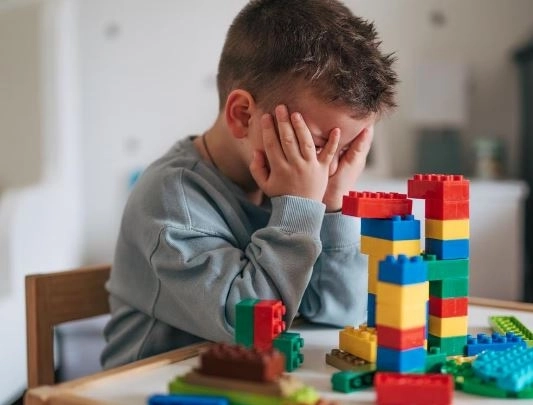
Rehabilitation for children with Autism Spectrum Disorder (ASD) is one of the most important therapeutic approaches for helping children develop communication, language, behavioral, social, and independent living skills. Rehabilitation programs are individually designed according to each child's unique strengths and needs using evidence-based therapeutic strategies. The earlier early intervention begins, the greater the opportunity for significant progress in learning, communication, and social interaction, ultimately improving both the child's quality of life and the well-being of the entire family.
What Is Autism Spectrum Disorder (ASD)?
Dr. Fatma Al-Awadi explains that Autism Spectrum Disorder (ASD) is a neurodevelopmental condition that affects communication, social interaction, and behavior. Symptoms usually appear during the first few years of life and vary considerably in severity from one child to another. Because every child is unique, each requires an individualized rehabilitation plan tailored to their specific developmental needs and abilities to achieve the best possible outcomes.
The Importance of Early Intervention
Dr. Fatma Al-Awadi emphasizes that early intervention is one of the most important factors contributing to the success of ASD rehabilitation programs. Early therapeutic support helps improve language development, communication skills, attention, positive behaviors, social interaction, and independence, while also increasing the child's ability to participate successfully in educational and community environments.
Rehabilitation Programs for Children with ASD
Dr. Fatma Al-Awadi confirms that comprehensive ASD rehabilitation programs include a variety of specialized therapeutic services, such as speech and language therapy, behavioral therapy, skill development programs, occupational therapy, sensory integration therapy, and academic and social skills training. These interventions are combined according to a thorough assessment of each child's developmental profile and individual needs.
The Role of the Family in Successful Rehabilitation
Dr. Fatma Al-Awadi points out that the family plays a vital role in the success of ASD rehabilitation. Continuous cooperation between parents and the multidisciplinary therapy team, consistent implementation of therapeutic strategies at home, and encouraging the child to practice newly acquired skills every day all contribute to faster progress, greater self-confidence, and more sustainable long-term improvements.
Monitoring the Child's Progress
Dr. Fatma Al-Awadi explains that regular follow-up evaluations are essential for monitoring developmental progress, assessing improvements in communication and daily living skills, modifying the rehabilitation plan when necessary, and establishing new goals appropriate for the child's age and developmental level. Ongoing assessment helps ensure continuous progress throughout the rehabilitation journey.
Goals of ASD Rehabilitation Programs
The primary objectives of Autism Spectrum Disorder rehabilitation include:
Improving verbal and nonverbal communication skills.
Enhancing social interaction and relationship-building abilities.
Reducing challenging behaviors while encouraging positive behaviors.
Developing cognitive, academic, and daily living skills.
Promoting independence and improving overall quality of life.
Advice for Parents
To maximize the benefits of ASD rehabilitation programs, parents are encouraged to:
Attend therapy sessions consistently.
Practice therapeutic activities and recommendations at home.
Encourage daily communication and social interaction.
Remain patient and committed to the rehabilitation plan.
Maintain regular follow-up with the specialized rehabilitation team to monitor progress and adjust goals when needed.
Rehabilitation for children with Autism Spectrum Disorder (ASD) is a comprehensive, long-term process aimed at developing each child's abilities and improving functional skills across all aspects of daily life. Early intervention, individualized therapy programs, active family involvement, and continuous professional follow-up are the cornerstones of successful rehabilitation, helping children achieve their highest possible level of independence, participation, and overall quality of life.