Published on: 2026-07-19 | Written by: Dr. Islam Ahmed Abu Talib, Gastroenterologist
Gastroesophageal Reflux Disease (GERD) and Irritable Bowel Syndrome (IBS): Causes, Symptoms, and Modern Treatment Options
Gastroesophageal Reflux Disease (GERD) and Irritable Bowel Syndrome (IBS) are among the most common digestive disorders and can significantly affect a patient's quality of life if left untreated. Achieving the best outcomes depends on an accurate diagnosis and a personalized treatment plan tailored to each patient's condition. Dr. Islam Ahmed Abu Taleb provides advanced diagnostic and treatment solutions for gastrointestinal diseases using extensive clinical experience and state-of-the-art endoscopic techniques.
What Is Gastroesophageal Reflux Disease (GERD)?
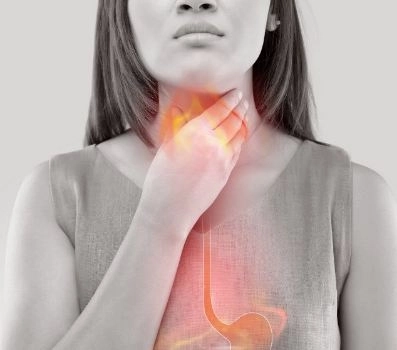
Dr. Islam Ahmed Abu Taleb explains that GERD occurs when stomach acid flows back into the esophagus due to weakness of the lower esophageal sphincter, leading to symptoms such as heartburn, a bitter taste in the mouth, difficulty swallowing, chronic cough, or hoarseness, and these symptoms may worsen if treatment is delayed or unhealthy dietary habits continue.
What Is Irritable Bowel Syndrome (IBS)?
He emphasizes that Irritable Bowel Syndrome (IBS) is a functional gastrointestinal disorder that causes recurrent abdominal pain, bloating, excessive gas, constipation, diarrhea, or alternating bowel habits, while emotional stress and certain foods can trigger or worsen symptoms, making a thorough medical evaluation essential to rule out other gastrointestinal diseases.
The Relationship Between GERD and IBS
Dr. Islam Ahmed Abu Taleb stresses that many patients experience both GERD and IBS simultaneously, as digestive disturbances and psychological stress can intensify symptoms, making an accurate diagnosis essential for developing a comprehensive treatment plan that addresses the underlying causes rather than only relieving symptoms.
Symptoms That Require a Gastroenterologist's Evaluation
He warns that persistent heartburn, difficulty swallowing, recurrent abdominal pain, continuous bloating, unexplained weight loss, blood in the stool, repeated vomiting, or long-term changes in bowel habits should never be ignored, as these symptoms require prompt evaluation by a gastroenterology specialist to determine their exact cause.
Diagnosing GERD and IBS
Dr. Islam Ahmed Abu Taleb explains that diagnosis begins with a detailed medical history and physical examination, and may include upper gastrointestinal endoscopy, colonoscopy, laboratory investigations, or specialized diagnostic tests to exclude other conditions and establish an accurate diagnosis for the most effective treatment.
Treatment Options for GERD
He emphasizes that treating GERD involves lifestyle modifications, maintaining a healthy weight, avoiding fatty and spicy foods, carbonated beverages, and excessive caffeine, refraining from lying down immediately after meals, and using appropriate medications, while certain cases may require advanced endoscopic intervention based on the patient's condition.
Treatment Options for IBS
Dr. Islam Ahmed Abu Taleb confirms that the management of IBS focuses on identifying dietary triggers, maintaining regular eating habits, reducing stress, and prescribing medications according to each patient's symptoms and disease severity, as every treatment plan should be individualized for optimal results.
The Importance of Endoscopy in Diagnosing Digestive Diseases
He explains that gastrointestinal endoscopy is one of the most effective modern diagnostic tools for detecting disorders affecting the esophagus, stomach, and colon, while also allowing early identification of ulcers, inflammation, and tumors, with some therapeutic procedures performed during the same endoscopic session without the need for surgery.
When Should Symptoms Never Be Ignored?
Dr. Islam Ahmed Abu Taleb warns that ignoring symptoms of GERD or IBS for prolonged periods may result in complications or delay the diagnosis of other serious digestive disorders, making early evaluation and regular follow-up essential for improving symptom control and enhancing quality of life.
Why Choose Dr. Islam Ahmed Abu Taleb?
He emphasizes that choosing a physician with expertise in gastroenterology, hepatology, and advanced endoscopy plays a crucial role in achieving an accurate diagnosis and effective treatment, and Dr. Islam Ahmed Abu Taleb is highly experienced in gastrointestinal endoscopy, ERCP, and Endoscopic Ultrasound (EUS) while providing comprehensive care for patients with GERD, IBS, and diseases affecting the liver, gallbladder, and pancreas using the latest medical technologies.