

Published on: 2026-07-16 | Written by: Dr. Ahmed Salim, General Surgeon
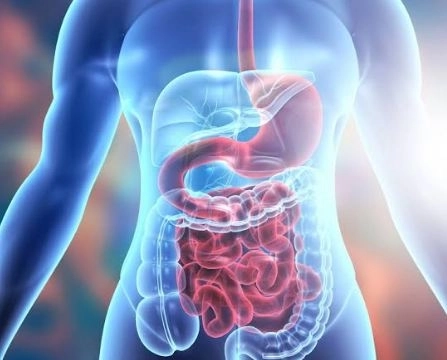
Gastrointestinal Surgery | Advanced Surgical Solutions for Disorders of the Stomach, Intestines, and Colon
Gastrointestinal surgery is one of the most important surgical specialties, focusing on the treatment of diseases affecting the esophagus, stomach, small intestine, colon, rectum, anus, and gallbladder. Advances in laparoscopic surgery have made these procedures safer, less painful, and associated with faster recovery while providing excellent surgical outcomes.
What Is Gastrointestinal Surgery?
Dr. Ahmed Selim emphasizes that gastrointestinal surgery includes a wide range of procedures performed to treat benign diseases, tumors, and surgical complications affecting the digestive system. The most appropriate surgical technique is selected for each patient to achieve the best possible results while minimizing the risk of complications.
When Does a Patient Need Gastrointestinal Surgery?
Dr. Ahmed Selim explains that surgical intervention may be necessary for conditions such as appendicitis, gallstones and gallbladder inflammation, intestinal obstruction, gastrointestinal tumors, abdominal wall hernias, and certain diseases affecting the colon and rectum, following a thorough medical evaluation and appropriate diagnostic investigations.
Common Conditions Treated by Gastrointestinal Surgery
Dr. Ahmed Selim confirms that gastrointestinal surgery is used to treat a variety of conditions, including stomach and colon tumors, gallbladder disease, hernias, intestinal obstruction, appendicitis, hemorrhoids, anal fissures, and rectal disorders, with each patient receiving a personalized treatment plan based on their individual medical condition.
The Role of Laparoscopic Surgery in Treating Digestive System Diseases
Dr. Ahmed Selim points out that laparoscopic surgery has revolutionized the treatment of gastrointestinal diseases by allowing procedures to be performed through small incisions. This approach reduces postoperative pain, lowers the risk of infection, and enables a faster recovery compared with traditional open surgery.
Gastrointestinal Cancer Surgery
Dr. Ahmed Selim emphasizes that early diagnosis of gastrointestinal cancers significantly improves treatment outcomes. Timely surgical intervention is a key component in managing many digestive system tumors, while modern surgical techniques allow for precise tumor removal and preservation of as much healthy tissue as possible.
Preparing for Gastrointestinal Surgery
Dr. Ahmed Selim explains that proper preparation includes completing all required laboratory tests and imaging studies, evaluating the patient's overall health, informing the surgeon about all current medications, and following fasting instructions before surgery to ensure maximum safety during the procedure.
Recovery After Gastrointestinal Surgery
Dr. Ahmed Selim confirms that following postoperative instructions, taking prescribed medications as directed, maintaining an appropriate diet, gradually increasing physical activity, and attending scheduled follow-up appointments all contribute to faster healing and reduce the risk of postoperative complications.
Advantages of Laparoscopic Gastrointestinal Surgery
Dr. Ahmed Selim points out that laparoscopic procedures offer numerous benefits, including smaller incisions, less postoperative pain, reduced blood loss, a lower risk of infection, shorter hospital stays, and a quicker return to normal daily activities, making them the preferred option whenever medically appropriate.
When Should You See a Gastrointestinal Surgeon?
Dr. Ahmed Selim emphasizes that persistent abdominal pain, rectal bleeding, ongoing bowel habit changes, recurrent vomiting, unexplained weight loss, or difficulty swallowing are warning signs that require prompt evaluation by a gastrointestinal surgeon for accurate diagnosis and timely treatment before the condition worsens.
The Best Outcomes Begin with Early Diagnosis
Dr. Ahmed Selim explains that early diagnosis and timely surgical intervention using the latest laparoscopic techniques help improve treatment outcomes, reduce complications, accelerate recovery, and enable patients to regain their health and return to their normal lives as quickly as possible.