
Published on: 2026-07-16 | Written by: Dr. Israa Waleed, Specialist in General Surgery Surgery
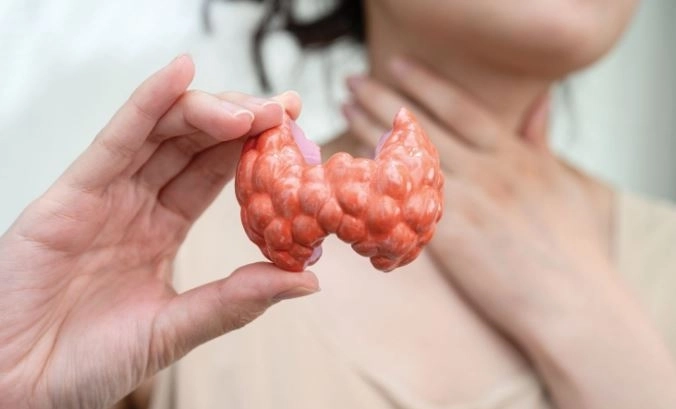
Thyroid surgery is one of the most specialized procedures in general surgery and endocrine surgery, performed to treat a wide range of thyroid conditions, including thyroid enlargement (goiter), thyroid nodules, hyperthyroidism, and both benign and malignant thyroid tumors. Thanks to significant advances in modern surgical techniques, thyroid surgery has become safer and more effective, offering higher success rates, fewer complications, preservation of the surrounding nerves and parathyroid glands, and a faster recovery with excellent long-term outcomes.
What Is Thyroid Surgery?
Dr. Esraa Walid explains that thyroid surgery includes procedures to remove part or all of the thyroid gland, depending on the patient's condition and the underlying disease. The appropriate surgical approach is determined after a comprehensive evaluation that includes a physical examination, thyroid function blood tests, ultrasound imaging, and, when necessary, a fine-needle aspiration (FNA) biopsy to establish an accurate diagnosis and develop the most suitable treatment plan.
When Is Thyroid Surgery Necessary?
Dr. Esraa Walid emphasizes that thyroid surgery is recommended for patients with thyroid nodules suspected of being cancerous, large goiters causing difficulty swallowing or breathing, hyperthyroidism that does not respond to medical treatment, or benign thyroid tumors that produce significant symptoms. Early surgical intervention helps treat the condition effectively while preventing potential complications.
Types of Thyroid Surgery
Dr. Esraa Walid confirms that thyroid surgery may involve partial thyroidectomy, total thyroidectomy, or removal of a single thyroid lobe (lobectomy). The most appropriate procedure is selected according to the size and nature of the thyroid disease, diagnostic findings, and the patient's overall health, ensuring optimal treatment outcomes while preserving surrounding healthy tissues whenever possible.
Preparation Before Thyroid Surgery
Dr. Esraa Walid points out that successful thyroid surgery begins with thorough preoperative preparation, including necessary laboratory tests, assessment of thyroid hormone levels, evaluation of the vocal cords when indicated, review of current medications, and adherence to fasting instructions before surgery. Proper preparation significantly reduces surgical risks and contributes to a smoother recovery.
Recovery After Thyroid Surgery
Dr. Esraa Walid explains that most patients are able to resume their normal daily activities within a relatively short period after thyroid surgery. Recovery requires taking prescribed medications, caring for the surgical incision, attending regular follow-up appointments, monitoring thyroid hormone levels when necessary, and using lifelong thyroid hormone replacement therapy if the entire thyroid gland has been removed. These measures help maintain overall health and ensure the best possible long-term results.
Is Thyroid Surgery Safe?
Thyroid surgery is considered a safe procedure when performed by an experienced thyroid surgeon using modern surgical techniques. Every precaution is taken to protect the recurrent laryngeal nerve, which controls the vocal cords, as well as the parathyroid glands, which regulate calcium levels in the body. Careful postoperative monitoring further helps ensure a complete and uncomplicated recovery.
Postoperative Care Tips
For the best recovery after thyroid surgery, patients are advised to:
Take all prescribed medications exactly as directed.
Keep the surgical incision clean and follow wound care instructions.
Attend all scheduled follow-up appointments.
Complete any recommended laboratory tests to monitor thyroid function.
Seek immediate medical attention if experiencing difficulty breathing, significant neck swelling, or noticeable voice changes.
Thyroid surgery is an effective treatment option for many thyroid disorders, offering excellent outcomes when combined with accurate diagnosis, advanced surgical techniques, and regular postoperative follow-up. With appropriate medical care and long-term monitoring, most patients recover well, regain their health, and enjoy an excellent quality of life.